Understanding Landed Housing Development Floor Plans in District 13
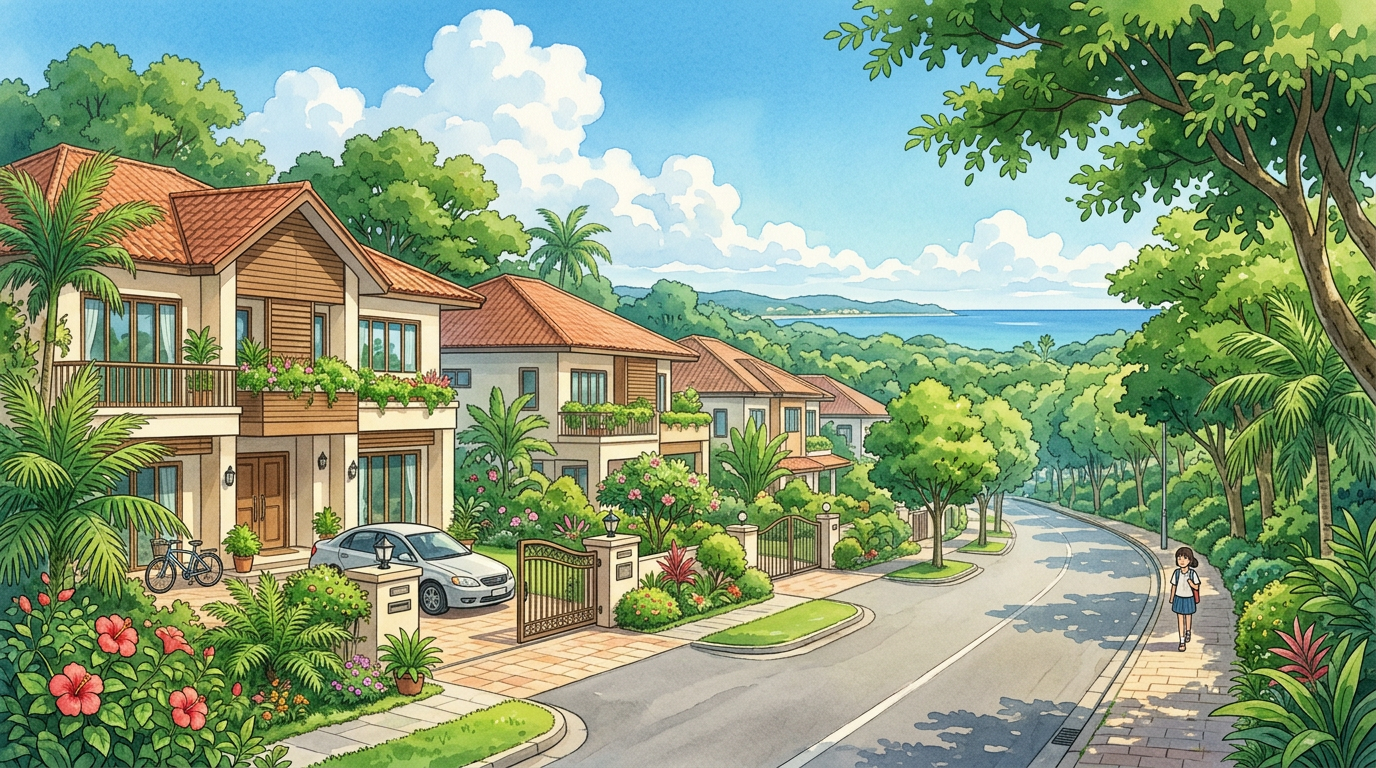
Landed housing developments in Singapore's District 13 (Macpherson and Potong Pasir) represent a significant shift in how buyers approach property ownership. Unlike traditional large landed homes, modern developments now feature compact floor plans ranging from 1,600 to 3,000 square feet, designed to meet the needs of upgraders and younger families seeking more space without the premium pricing of larger estates.[1] This cluster article explores the specific floor plan layouts, facility offerings, and practical considerations for buyers evaluating landed developments in this sought-after district.
The trend toward smaller-lot landed homes has accelerated dramatically. Between 2020 and 2024, sales of compact landed units surged from just 17 to 74 units annually, driven by rising condominium prices and limited landed supply due to strict Urban Redevelopment Authority (URA) zoning controls.[1] Understanding the floor plan nuances and facility offerings is essential for making an informed investment decision in this competitive market segment.
Floor Plan Types in Landed Housing Developments
Modern landed developments typically offer three primary unit configurations, each with distinct spatial layouts and regulatory requirements set by the URA.[1] These floor plan types determine not only the physical space available but also the property's long-term value and rental potential.
Intermediate Terrace Houses
Intermediate terrace units sit on the URA's minimum plot size of approximately 1,615 square feet. These compact floor plans typically feature a footprint of around 1,400 to 1,600 square feet of built-up space, organized across three to four stories. The typical layout includes a ground-floor living and dining area, kitchen, and often a small yard or patio. Upper floors accommodate bedrooms and bathrooms, with many modern designs incorporating a small rooftop terrace or garden space. These units appeal to buyers seeking efficiency and affordability while maintaining the landed home experience.
Semi-Detached Homes
Semi-detached floor plans are built on land parcels around 2,150 square feet, offering significantly more flexibility in design. Built-up areas typically range from 2,000 to 2,500 square feet, providing four to five bedrooms across multiple levels. The floor plan advantage includes side yards, larger living spaces, and often dedicated home office areas—features increasingly important to work-from-home professionals. Recent developments like Natura Collection, launching in March 2026, feature semi-detached homes on 2,200 to 2,500 square foot plots, with prices starting from $7 million.[1]
Detached Bungalows
Detached homes offer the most spacious floor plans, typically built on 4,000+ square foot plots with 3,500 to 5,400+ square feet of built-up space. These premium units feature five to six bedrooms, multiple living areas, and substantial outdoor space. Natura Collection's detached home, for example, sits on a 5,400 square foot plot and is priced around $11 million, representing the premium end of the landed market.[1]
Key Floor Plan Features in Modern Developments
Contemporary landed housing developments incorporate several design features that distinguish them from older landed properties. Smart home integration, energy-efficient systems, and flexible living spaces have become standard in recent launches. Many developments feature open-plan ground floors that maximize natural light and create flexible entertaining spaces—critical for Singapore's tropical climate.
Vertical space utilization is crucial in compact floor plans. Developers employ double-height ceilings in living areas, mezzanine levels, and rooftop terraces to create a sense of spaciousness despite smaller footprints. Built-in storage solutions and modular furniture-ready spaces accommodate Singapore's space-conscious lifestyle. The integration of indoor-outdoor living through generous windows and sliding glass doors is standard, allowing residents to extend their living areas onto patios and gardens.
Facilities and Amenities in Landed Developments
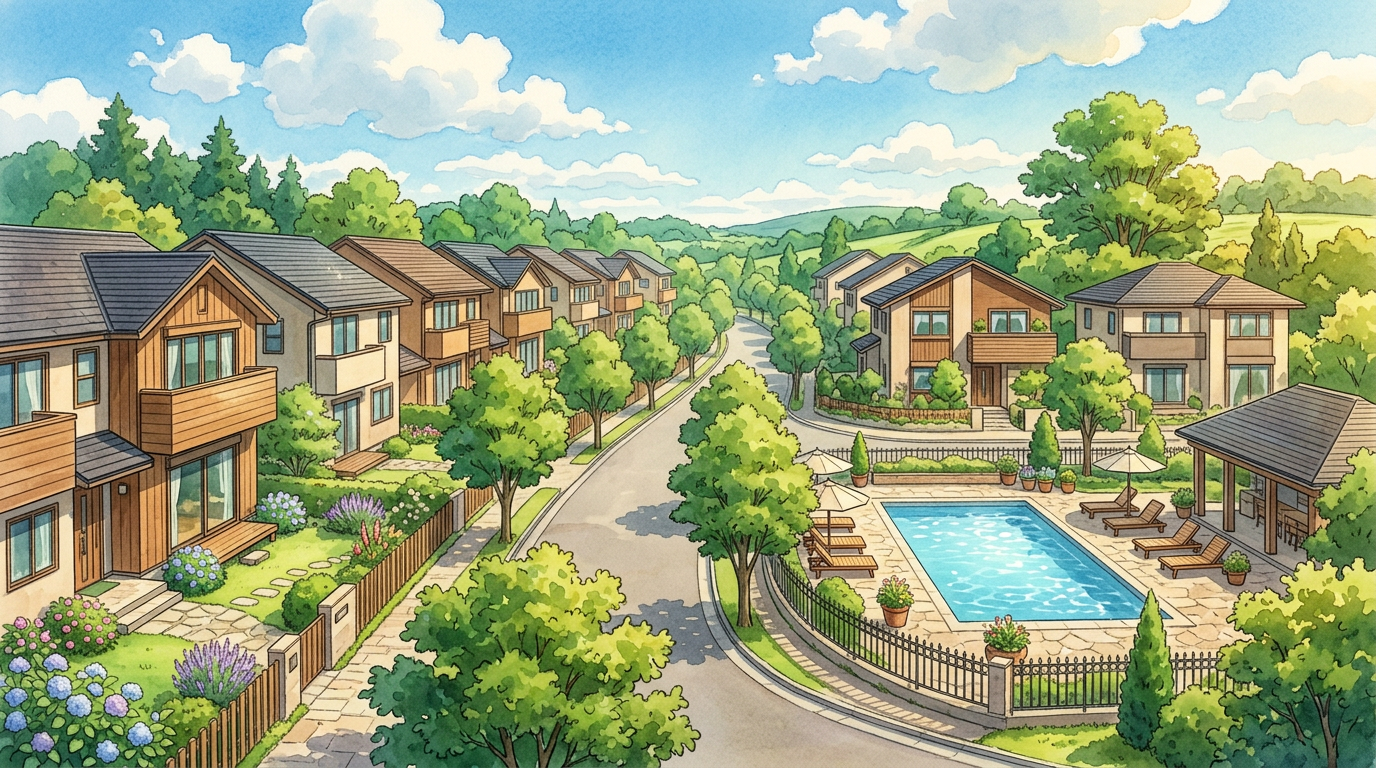
Unlike condominiums with extensive shared facilities, landed housing developments typically offer more curated, community-focused amenities. Understanding these facilities is essential when evaluating value for money and long-term satisfaction.
Common Facilities
Most modern landed developments include:
- Community gardens and landscaped common areas – Providing green space for residents while maintaining the landed home aesthetic
- Residents' clubhouse or community center – Offering function rooms, meeting spaces, and social gathering areas
- Playground and recreational zones – Designed for families with children, often featuring age-appropriate equipment
- 24-hour security and gated access – Ensuring resident safety with CCTV coverage, security personnel, and controlled entry points
- Visitor parking areas – Separate from resident parking to manage traffic flow
- Refuse collection points and recycling facilities – Maintaining cleanliness while supporting sustainability
Parking Provisions
Parking in landed developments typically includes one to two covered lots per unit, with additional visitor parking throughout the development. Some newer projects incorporate EV charging infrastructure, reflecting Singapore's push toward sustainable transportation. The parking-to-unit ratio is significantly higher than condominiums, reflecting the car-dependent nature of landed housing areas.
Maintenance and Management
Most landed developments employ professional management companies responsible for common area maintenance, security, and facility management. Residents pay monthly maintenance fees—typically $150 to $300 per month depending on facility scope—covering these services. Homejourney recommends clarifying maintenance fee structures and what services are included before purchasing, as these costs impact long-term ownership expenses.
District 13 Location Advantages
Carmichael Road and surrounding areas in District 13 offer strategic positioning within Singapore's urban landscape. The district encompasses Macpherson and Potong Pasir, both experiencing significant infrastructure development and improving connectivity.
Transportation and Accessibility
District 13 benefits from proximity to multiple MRT lines. Macpherson MRT station (Circle Line) is within walking distance of many developments, typically a 10-15 minute walk. Potong Pasir MRT station (North East Line) provides alternative connectivity. The district's location near major expressways—including the Central Expressway (CTE) and Kallang-Paya Lebar Expressway (KPE)—ensures efficient access to business districts and residential areas throughout Singapore.
Nearby Amenities
The area offers robust amenities supporting daily living. Macpherson Central shopping mall provides retail and dining options, while numerous hawker centers—including Macpherson Food Centre and Potong Pasir Food Centre—offer affordable, authentic local cuisine. Healthcare facilities include Tan Tock Seng Hospital, one of Singapore's major medical institutions, within reasonable proximity. Educational institutions in the area serve families with children, including both government and international schools.
Price Analysis and Value Assessment
Compact landed homes in District 13 typically command prices between $5 million and $7 million for semi-detached units, with detached homes ranging from $8 million to $12 million. Springleaf Collection, a comparable 999-year cluster landed development, launched units priced from just over $5 million, with 80% of inventory sold within three months—indicating strong market demand and pricing validation.[1]
Price per square foot for compact landed homes typically ranges from $3,000 to $4,500 PSF, compared to $4,000 to $6,000+ PSF for larger traditional landed homes. This represents significant value for buyers seeking the landed home experience without premium pricing. For investment analysis and detailed financial planning, use Homejourney's Bank Rates to calculate financing options and monthly payment scenarios.
Investment Potential and Rental Yield
Landed housing developments in District 13 demonstrate strong rental appeal, particularly among expatriates and families seeking spacious accommodations. Compact landed homes typically achieve gross rental yields of 3% to 4% annually, with semi-detached units commanding monthly rents of $6,000 to $8,500 depending on specific location and facilities.
Capital appreciation outlook remains positive given limited landed supply due to strict URA zoning controls.[1] Unlike condominiums, which have increased 228% over 25 years, landed home supply rose only 12%, from 67,229 units in 2000 to 75,338 units in 2025.[1] This supply constraint supports long-term value retention and appreciation potential, making landed developments attractive for investors with longer holding periods.
Pros and Cons of Landed Housing Developments
Advantages
- More space at accessible pricing – Compact floor plans deliver landed home benefits without premium pricing of larger estates
- Strong capital appreciation potential – Limited supply and strict zoning controls support value growth
- Rental demand – Families and expatriates actively seek spacious landed accommodations
- Community living – Gated developments provide security and community amenities without the impersonality of large condominiums
- Flexible floor plans – Modern designs accommodate work-from-home arrangements and multi-generational living
Considerations
- Maintenance responsibilities – While common areas are managed, residents bear responsibility for individual unit maintenance
- Tenure variations – Some developments feature 99-year leasehold tenure, which may impact long-term value compared to freehold properties
- Smaller outdoor space – Compact floor plans mean limited private gardens compared to traditional landed homes
- Resale market liquidity – Smaller developments may have fewer comparable transactions, potentially affecting valuation
- Density concerns – Cluster developments feature closer proximity to neighbors than traditional landed homes
Who Should Consider Landed Housing Developments?
Landed housing developments in District 13 suit several buyer profiles. HDB and condominium upgraders seeking more space without relocating to suburban areas find these developments ideal. Young families needing multiple bedrooms and outdoor space benefit from the compact, manageable floor plans. Investors targeting rental income appreciate the strong demand from expatriates and families. Professionals requiring home office space value the flexible floor plans and quieter residential environment compared to high-rise condominiums.
Frequently Asked Questions
What's the difference between a semi-detached and intermediate terrace floor plan?
Semi-detached homes sit on approximately 2,150 square feet of land with 2,000-2,500 square feet of built-up space, featuring side yards and typically four to five bedrooms. Intermediate terraces occupy around 1,615 square feet of land with 1,400-1,600 square feet of built-up space, offering three to four bedrooms. Semi-detached units provide more privacy and outdoor space, while intermediate terraces maximize affordability and space efficiency.
Are landed housing developments good investments?
Yes, with important caveats. Limited landed supply due to URA zoning controls supports long-term appreciation. Rental yields of 3-4% annually are competitive, and demand from families and expatriates remains strong. However, investors should evaluate specific developments' locations, tenure structures, and management quality. Homejourney recommends consulting with property agents to assess individual project fundamentals.
What maintenance costs should I expect?
Monthly maintenance fees typically range from $150 to $300, covering common area upkeep, security, and facility management. Individual unit maintenance—including air conditioning servicing, plumbing, and structural repairs—remains the owner's responsibility. Homejourney's Aircon Services can assist with regular maintenance planning to preserve property condition and rental appeal.
How do I finance a landed housing development purchase?
Most banks offer mortgage financing for landed developments, typically up to 80% of purchase price for owner-occupiers. Interest rates and terms vary by lender and borrower profile. Use Homejourney's Bank Rates to compare current financing options and calculate monthly payments based on your specific purchase price and loan tenure.
What's the rental potential for compact landed homes?
Semi-detached units in District 13 typically rent for $6,000-$8,500 monthly, achieving gross yields of 3-4% annually. Intermediate terraces command $4,500-$6,500 monthly. Rental demand remains strong from families and expatriates seeking spacious accommodations. Property condition, location proximity to MRT, and facility quality significantly impact rental rates.
Making Your Decision: Next Steps
Evaluating a landed housing development requires careful consideration of floor plan layout, facility offerings, location accessibility, and financial implications. Start by clearly defining your needs: space requirements, budget parameters, investment timeline, and whether you plan to occupy or rent the property.
Visit developments during different times of day to assess noise levels, traffic patterns, and community atmosphere. Review management contracts and maintenance fee structures carefully. Consult with financial advisors regarding mortgage options and long-term investment projections. Connect with current residents to understand their satisfaction with facilities and management quality.
For comprehensive analysis of specific landed developments in District 13, including Carmichael Road projects, browse available listings on Homejourney's Property Search feature. Our platform prioritizes user safety and trust by verifying property information and connecting you with qualified agents who can provide personalized guidance. For detailed project analysis and market comparisons, explore our Projects directory to evaluate multiple developments side-by-side.