
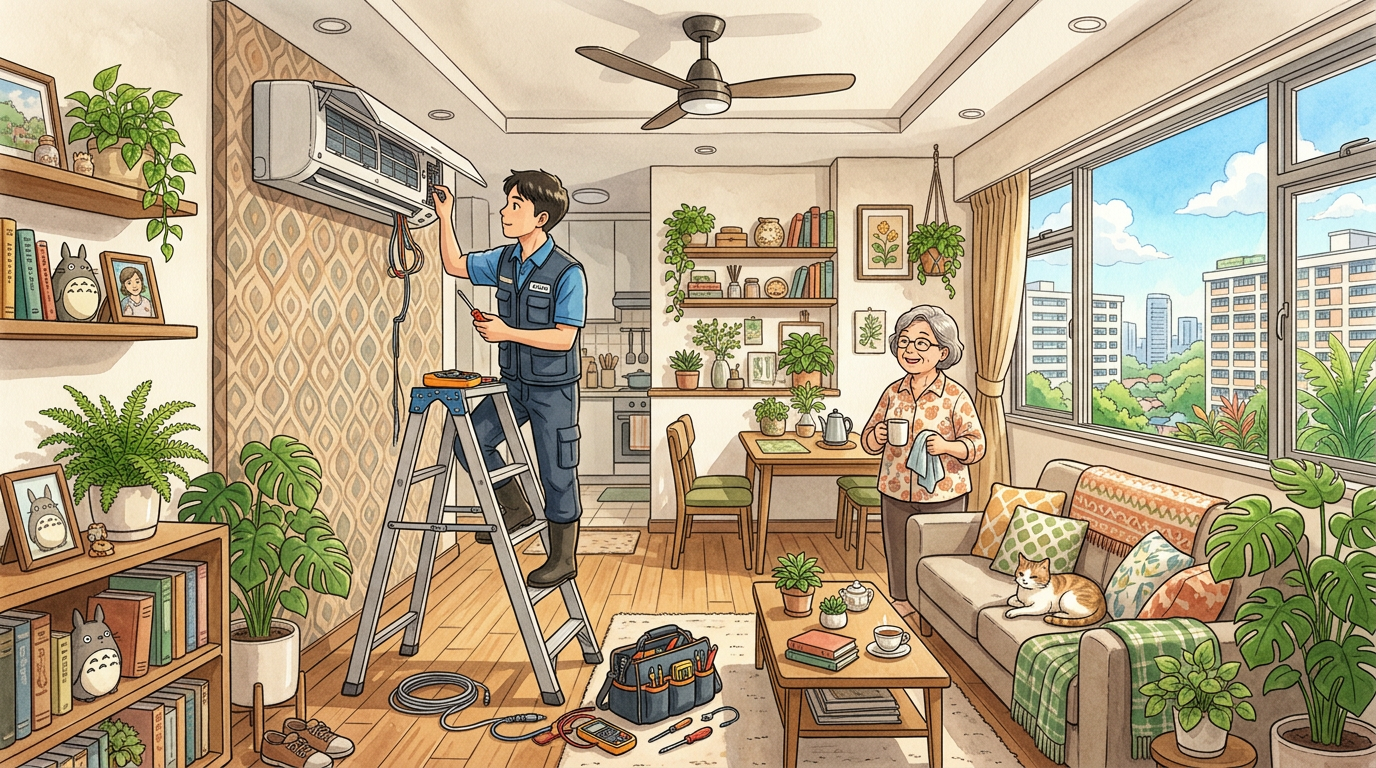
End of tenancy cleaning for Singapore rentals is not just about being tidy – it directly affects your deposit return, landlord relationship and how fast your unit can be re-rented or sold.
In Singapore, where typical security deposits range from one to two months of rent for private property and one month for HDB rentals, a poorly cleaned unit is one of the most common reasons for deposit deductions.
This Homejourney pillar guide gives Singapore tenants, landlords and investors a detailed end tenancy checklist, a practical rental cleaning list, realistic 2026 cleaning prices, and local insider tips to protect your deposit and save time.
Executive Summary: End of Tenancy Cleaning in Singapore
For most leases in Singapore, tenants must return the unit in a "clean and tenantable" condition, allowing for fair wear and tear but not neglect.
In practice, that means:
- Removing all personal items and rubbish
- Doing a full top-to-bottom clean (or hiring professionals)
- Repairing or disclosing any tenant-caused damage
- Returning keys, access cards and car park transponders
Landlords and agents often use a systematic move out cleaning list to assess the unit.
If you follow a structured checklist – room by room – and document the final condition with photos and a joint inspection, you significantly reduce disputes over your deposit.
Homejourney supports this process by helping you book verified move-out cleaning services, compare transparent prices, and coordinate aircon, handyman and moving services in one place.
Chapter 1: Singapore Rental Context – Why Cleaning Matters for Deposit Return
Typical Singapore Lease Clauses Around Cleaning
Most tenancy agreements in Singapore, whether for an HDB 4-room flat in Punggol or a District 9 condo, include clauses that require the tenant to:
- Keep the premises in good and tenantable condition during the lease
- Return the unit in substantially the same condition as at handover, excluding fair wear and tear
- Professionally service the air-conditioning regularly and before handover
- Leave fixtures, fittings and appliances clean and functioning
While there is no specific law that says you must use a professional cleaning company, landlords are entitled to use part of the deposit to restore the original cleanliness level if the unit is returned dirty.
Common Singapore Deposit Dispute Scenarios
From local experience and feedback gathered from Homejourney users, the most frequent reasons for deposit deductions related to cleaning include:
- Greasy kitchens – hood filters clogged with oil, sticky hob surfaces, oven interiors with baked-on grime.
- Mould and limescale in bathrooms – especially around shower silicone lines and glass screen tracks.
- Dusty aircon units – clogged filters, water leakage from neglected servicing.
- Dirty windows and grilles – especially in high-floor HDB units exposed to expressways.
- Stained walls and floors – crayon or furniture marks, food spills on tiles or parquet.
In many cases, a basic weekly cleaning routine is not enough to satisfy an end-of-tenancy inspection.
Landlords and agents are looking for a deep clean that resets the home for the next occupant.
HDB vs Condo vs Landed: What’s Different?
While the core principles are similar, there are differences by property type:
- HDB flats: Often have more built-in cabinets and older fittings; grease and mould tend to accumulate in kitchen corners and bathroom grout. Corridor-facing windows and grilles pick up more road dust.
- Condos: Expectation of higher presentation standards, especially in newer projects with glass shower screens, high-gloss kitchen cabinets and white engineered stone countertops that show stains easily.
- Landed homes: Garden and outdoor areas, car porch, roof gutters and external drains must be cleared; leaves and algae growth on driveways are common issues.
For owners and investors, especially those listing units on Homejourney's property search feature Property Search , a professionally cleaned, odour-free unit photographs better and tends to attract higher-quality tenants more quickly.
Chapter 2: Core End of Tenancy Cleaning Checklist (Room-by-Room)
Use this structured end tenancy checklist as your master reference. For each room, prioritise from top to bottom (ceiling to floor) so dust does not fall onto already-cleaned surfaces.
Whole-Unit General Cleaning Checklist
These tasks apply to every room in the house:
- Remove all personal items, trash and bulky refuse
- Dust ceiling corners, light fixtures, fans and aircon casings
- Wipe all switches, door handles and skirting boards
- Clean interior doors, frames and visible marks
- Clean interior windows, grilles and window ledges
- Vacuum and mop all floors, including behind doors and under remaining fixtures
In older HDB blocks, corridor-facing windows can accumulate a layer of black soot from nearby roads; plan extra time and consider a degreaser for frames.
Kitchen End of Tenancy Cleaning Checklist
The kitchen is usually the most time-consuming zone and the one landlords scrutinise first.
- Hood and hob
- Remove and soak hood filters in degreaser; scrub and dry fully before re-installing.
- Degrease hood exterior, control buttons and underside.
- Clean hob surface (gas / induction) including burner rings and trivets.
- Oven and microwave
- Clean oven interior, racks and door glass; remove burnt food residues.
- Wipe microwave interior, turntable and exterior keypad.
- Fridge / freezer
- Defrost freezer if needed; wipe all shelves and drawers.
- Clean rubber gaskets and exterior handles; leave doors slightly ajar to prevent odour.
- Cabinets & counters
- Empty all cabinets; vacuum crumbs and dust from corners.
- Wipe interior and exterior surfaces with mild cleaner.
- Degrease backsplash tiles and grout lines.
- Sink and plumbing
- Scrub sink basin and tap to remove limescale and stains.
- Clear food traps; run hot water and check for leaks.
- Floors and walls
- Spot clean grease splatters on walls and cabinet sides.
- Mop floor with degreaser, especially near cooking area.
Insider tip: In estates like Tiong Bahru or older HDB blocks where gas stoves and metal racks are common, use a paste of baking soda and dish soap on racks and stove rings, leave for 20–30 minutes, then scrub – this often removes years of brown grease without damaging enamel.
Bathroom End of Tenancy Cleaning Checklist
Because of Singapore’s humidity, bathrooms are mould hotspots, especially in units with poor ventilation or no windows.
- Shower area
- Descale shower head and taps; remove limescale with a safe bathroom descaler.
- Scrub shower screen or glass door; remove water marks and soap scum.
- Clean silicone lines and tile grout; remove visible mould.
- Toilet bowl
- Use toilet cleaner under rim and inside bowl; scrub thoroughly.
- Clean exterior base and flush handle/ buttons.
- Vanity & mirror
- Wipe cabinet exterior and interior; remove toothpaste and product residue.
- Clean mirror streak-free using glass cleaner and microfibre cloth.
- Floor and drains
- Scrub floor tiles and grout; pay attention to corners and under vanity.
- Remove hair and debris from floor trap; ensure water drains freely.
Safety tip: Avoid mixing different chemical cleaners (e.g. bleach and acid-based descaler) in small BTO bathrooms; always ventilate properly and wear gloves.
Bedrooms and Living Areas Checklist
- Wipe all wardrobes and built-in shelves inside and out.
- Clean under and behind beds and sofas if they remain.
- Dust curtain pelmets; remove and prepare curtains for cleaning if required.
- Wipe TV console, wall units and any glass surfaces.
- Remove wall hooks carefully; patch and touch up if agreed with landlord.
- Vacuum carpets or rugs thoroughly; spot clean stains.
In many CBD-area condos (e.g. Tanjong Pagar, Shenton Way), blinds are more common than curtains; dust between slats and remove any visible stains as they show up clearly in bright daylight during inspections.
Balcony, Yard and Outdoor Spaces Checklist
- Sweep and mop balcony floors; remove algae and black marks.
- Clean balcony glass and railings inside.
- Remove all potted plants, racks and personal items unless otherwise agreed.
- For landed homes: rake leaves, clear drains, and remove cobwebs from car porch and gates.
Many MCSTs in condos are particular about balconies; leaving soil or plant debris can attract pests and become a point of complaint, so ensure the balcony is fully cleared and wiped down.
Aircon, Curtains and Fixtures
While not always spelled out in a tenancy agreement, landlords in Singapore increasingly expect:
- Aircon servicing shortly before handover (clean filters, check drainage).
- Curtain and blinds cleaning, especially in dusty main-road-facing units.
- Light fixtures dusted and functioning, with blown bulbs replaced.
Homejourney’s home services marketplace allows you to bundle aircon servicing Aircon Services and move-out cleaning into one booking, reducing coordination stress in your final week.
Chapter 3: Quick-Glance End Tenancy Checklist Table
Use this summary table as a last-minute reference before your landlord or agent walks in.
| Area | Key Tasks for Deposit-Safe Handover |
|---|---|
| Whole Unit | Remove all belongings and rubbish; dust from ceilings down; clean switches, doors, windows, grilles; vacuum and mop all floors. |
| Kitchen | Degrease hood, hob and backsplash; clean oven, microwave and fridge inside-out; wipe cabinets in/out; scrub sink and clear traps; mop with degreaser. |
| Bathrooms | Descale taps and shower heads; remove mould and soap scum; clean toilet inside-out; scrub tiles and grout; clear floor traps; polish mirrors. |
| Bedrooms | Wipe wardrobes and shelves; clean under furniture; dust curtain pelmets; remove hooks and patch if agreed; vacuum or mop floor. |
| Living / Dining | Dust all surfaces; clean TV console and glass; wipe skirting; vacuum sofa; ensure no visible stains on walls and flooring. |
| Balcony / Yard | Sweep and mop; clean glass and railings; remove plants and racks; clear drains; remove cobwebs. |
| Aircon & Curtains | Service aircon units; clean filters; dust casings; send curtains or blinds for cleaning if required. |
Chapter 4: Singapore Cleaning Service Types & 2026 Price Guide
If you are working full-time, managing kids, or moving between homes, DIY deep cleaning is often unrealistic.
Understanding service types and fair 2026 price ranges helps you choose the right option and avoid overpaying.
Key Home Cleaning Service Types in Singapore (2026)
1. Regular Home Cleaning (Hourly)
Typical 2026 rate: around $27/hour for a professional part-time cleaner, usually with a minimum of 3–4 hours per session.
This is suitable for weekly or bi-weekly maintenance but usually not enough for full end-of-tenancy cleaning unless you book a significantly longer session and supervise a structured checklist yourself.
2. Move-In / Move-Out Cleaning
Typical 2026 rate: approximately $200–$500 depending on property size and condition.
Common range by unit size:
- Studio / 1-room: ~ $200–$250
- 2-room / 3-room: ~ $250–$320
- 4-room HDB / 2–3 bed condo: ~ $320–$420
- Large 4-bed condo or small landed: ~ $420–$500+
This is the most appropriate option for a comprehensive move out cleaning and is specifically designed for handover inspections.
3. Post-Renovation Cleaning
Typical 2026 rate: around $270–$700, depending on dust levels and size.
This is heavy-duty cleaning to remove construction dust, paint spots, and protective tape residue; it is usually more intensive than usual move-out cleaning.
4. Spring Cleaning / Pre-Festive Deep Cleaning
Typical 2026 rate: about $200–$500 depending on size and tasks.
Similar to move-in/move-out cleaning but without the pressure of a landlord inspection; often booked before Chinese New Year or Hari Raya.
5. Curtain & Blinds Cleaning
Indicative 2026 prices for off-site cleaning:
- Day curtains: around $25 per piece
- Night curtains: around $35 per piece
- Blinds (e.g. venetian / Korean blinds): around $45 per piece
Many landlords expect curtains in living and master bedrooms to be cleaned at least once per lease cycle; check your tenancy agreement.
Table: Typical 2026 Cleaning Prices by Service Type
| Service Type | Scope | Typical 2026 Price Range | Best For |
|---|---|---|---|
| Regular Home Cleaning | Surface cleaning, basic bathrooms, light kitchen tidy. | ~ $27/hour (min 3–4 hours) | Weekly / bi-weekly upkeep. |
| Move-In/Out Cleaning | Whole-unit deep clean incl. kitchen and bathrooms. | ~ $200–$500 per job | End of tenancy, pre-handover. |
| Post-Renovation Cleaning | Heavy dust removal, paint spot cleaning. | ~ $270–$700 per job | After major reno before move-in. |
| Spring Cleaning | Detailed once-off deep cleaning. | ~ $200–$500 per job | Pre-festive or annual deep clean. |
| Curtain & Blinds Cleaning | Take-down, off-site wash, re-hang (varies by vendor). | ~ $25–$45 per piece | Dusty or stained curtains/blinds. |
Note: Prices vary across providers and estates; always confirm a written quote. Homejourney prioritises transparent pricing with no hidden surcharges and allows you to compare quotes from verified providers before confirming a booking.
Chapter 5: Key Pricing Factors for End of Tenancy Cleaning
1. Property Size and Layout
In Singapore, end-of-tenancy cleaning often scales with the number of rooms and bathrooms rather than just square footage:
- Each extra bathroom adds significant labour time (descaling, mould removal).
- Open-concept kitchens in newer condos may require more glass and surface cleaning.
- Dual-key units or maisonettes often cost more because cleaners must tackle stairs and multiple entrances.
For example, a 4-room BTO flat in Punggol with two bathrooms will commonly be quoted higher than a 3-room flat with one bathroom, even if the overall area difference is modest.
2. Type and Depth of Cleaning Required
- If you routinely cleaned the unit and serviced aircon, a standard move-out clean may suffice.
- If you cooked heavily (e.g. deep frying, wok hei style) without a hood filter change, expect a higher quote for degreasing.
- Post-renovation or long-unoccupied units (e.g. landlords returning after overseas posting) often require intensive dust removal and may fall into a higher bracket.
3. Frequency: One-Time vs Regular Cleaning
Regular weekly cleaning via Homejourney can keep your home in good condition, reducing the cost and stress of an eventual move-out clean.
Some service providers offer loyalty discounts if you have used them throughout your tenancy.
4. Additional Services (Add-Ons)
Common chargeable add-ons in Singapore:
- Window and grille cleaning for high-floor units
- Oven deep cleaning
- Fridge deep cleaning and defrosting
- Mattress or sofa steam cleaning
- Protected or hard-to-access balcony glass
Always clarify whether these are included in the base price or billed separately.
Homejourney’s interface makes these add-ons explicit during booking, so you know exactly what is covered before check-out.
5. Location, Timing and Access
Some providers may charge slightly more for CBD-area condos with stricter access controls or for urgent same-day bookings, especially around peak moving periods (end of month, school holidays, pre-CNY).
Condo MCSTs may also require cleaners to register at the guardhouse and restrict noisy or wet work to certain hours (commonly 9am–5pm weekdays and Saturday half-day), which you must factor into your booking time.
Chapter 6: DIY vs Professional End of Tenancy Cleaning
When DIY Cleaning Makes Sense
DIY cleaning can work if:
- Your unit is small (studio or 1-bed) with minimal heavy cooking.
- You have at least 1–2 full days free before handover.
- You are comfortable with basic chemical cleaners and have access to a good vacuum and mop.
Insider note: Many tenants in central areas like Queenstown and Redhill manage their own cleaning for compact one-bedroom units, then hire professionals only for curtain cleaning and aircon servicing.
When Professional Cleaning Is Strongly Recommended
Consider professional help when:
- You live in a 3-bed or larger unit with two or more bathrooms.
- You have young children and pets (more stains, hair, and smell control required).
- You or someone in the family has allergies – professionals have better tools and HEPA vacuums.
- Your landlord has specified professional cleaning or aircon servicing in the tenancy agreement.
- You work long hours and cannot devote a full day or more to deep cleaning.
In districts like Bukit Timah or Sentosa Cove, landlords managing higher-end properties are particularly strict about cleanliness; using a reputable, insured cleaning service helps avoid disputes and gives you documentation (invoice, checklist, photos) if a disagreement arises.
Hybrid Approach: DIY + Targeted Professional Help
A cost-effective strategy many Singapore tenants adopt is:
- DIY easy tasks a week before: decluttering, packing, basic wiping of shelves and simpler rooms.
- Book a professional move-out cleaning focusing on kitchen, bathrooms, windows and high-visibility areas.
- Add-on professional curtain and aircon services if required by the lease.
Homejourney’s booking flow supports this hybrid approach, allowing you to select exact modules (e.g. only kitchen + bathrooms, or add curtain cleaning) and view the updated quote instantly.
Chapter 7: How to Choose a Reliable Cleaning Provider in Singapore
Part-Time Cleaner vs Agency or Platform
In Singapore, your options typically include:
- Independent part-time cleaners – often cheaper per hour, but may lack insurance, replacement coverage, or structured checklists.
- Cleaning agencies – usually provide trained staff, replacement in case of no-show, and standardized checklists.
- Verified platforms like Homejourney – curate multiple vetted providers, show real reviews and transparent prices, and offer a service guarantee.
For end-of-tenancy cleaning, reliability and accountability are more critical than saving the last few dollars; if a no-show causes you to miss your handover timing, you may pay extra rent or lose part of your deposit.
Insurance and Liability Coverage
When comparing providers, clarify:
- Are cleaners insured against accidental damage (e.g. broken glass hob, damaged fittings)?
- What is the claims process if something is damaged?
- Is there a re-clean guarantee if the landlord finds missed spots within a fixed time (often 24–48 hours)?
Homejourney emphasises user safety and works only with verified providers who meet our minimum insurance and service standards, so users can book with greater confidence.
Cleaning Supplies: Included or BYO?
Questions to ask before booking:
- Does the cleaner bring their own cleaning agents, vacuum, mops and cloths?
- Are eco-friendly or hypoallergenic options available for sensitive users?
- Do you need to provide step ladders to reach high cabinets or ceiling fans?
Some condos do not allow water from mops to drip onto common corridors, so ensure cleaners have proper wringing systems and floor protection if they move equipment through shared spaces.
Cancellation and Rescheduling Policies
Because Singapore handovers are tightly timed (often back-to-back with your movers and aircon servicing), understand:
- How many days' notice is required for free cancellation?
- Is there a fee for changes within 24–48 hours?
- What happens if the cleaner is late and overlaps with other contractors or MCST rules?
Homejourney makes these policies clearly visible before you book, helping you plan your move-out schedule safely and avoid last-minute surprises.
Chapter 8: Strategic Move Out Cleaning Tips for Singapore Rentals
1. Start Early: T-14 to T-1 Day Timeline
A practical timeline for a typical Singapore HDB or condo:
- T minus 14–10 days: Confirm handover date/time with landlord or agent; book move-out cleaning, aircon servicing and moving truck via Homejourney main app .
- T minus 7–5 days: Declutter, donate or dispose of items; arrange bulky item disposal according to your town council’s guidelines (for HDB) or MCST rules (for condos).
- T minus 3–2 days: Complete DIY tasks (packing, wiping shelves); move out most furniture where possible.
- T minus 1 day: Professional cleaning; follow with photo documentation and walk-through.
- Handover day: Final touch-ups, check all utility meters, remove last trash bag, and hand over keys and access cards.
Staggering tasks reduces stress and allows time for re-cleaning if your landlord has feedback.
2. Document Before and After (For Deposit Protection)
To protect yourself in case of disputes:
- At move-in, take clear photos and videos of all rooms, especially worn or stained areas; save them in a labelled folder.
- At move-out, repeat the process after cleaning but before handover, including close-ups of kitchen, bathrooms, and windows.
- Request a joint inspection with your landlord or agent and take note of any raised issues immediately.
If you used a professional cleaning service via Homejourney, keep the invoice and service checklist; this can help in mediating disagreements around "insufficient cleaning" claims.
3. Coordinate With Other Services
Many Singapore tenants and landlords face last-minute scrambling because they book services in the wrong order.
Recommended sequence:
- Handyman works (patching walls, minor repairs)
- Aircon servicing Aircon Services
- Bulk of moving (furniture and boxes)
- End-of-tenancy cleaning (once the unit is mostly empty)
This sequence minimises re-soiling and gives cleaners open access to all surfaces and corners.
4. Pay Extra Attention to High-Risk Areas
Based on common inspection feedback in Singapore, high-risk areas for deposit deductions are:
- Kitchen hood filters, oven interiors, and cabinet tops
- Shower screens (visible water spots) and toilet bases
- Behind washing machines and fridges (dust, rubbish, insects)
- Balcony corners and floor traps (leaves, cigarette butts)
- Window tracks and grilles (dust build-up)
Ask your cleaning provider to explicitly include these in their rental cleaning list; Homejourney’s booking notes section lets you highlight such priority areas.
Chapter 9: Landlord and Investor Perspective – Protecting Your Asset
Why Landlords Should Insist on Proper End-of-Tenancy Cleaning
For landlords and property investors, especially those with multiple units listed on Homejourney’s projects directory Projects Directory , consistent cleaning standards help:
- Reduce vacancy time by presenting a move-in-ready unit.
- Detect and repair issues (leaks, mould, damaged grout) before they worsen.
- Protect flooring, cabinets and fittings from long-term damage.
Well-maintained units also tend to attract tenants who will maintain the same standard, lowering long-term maintenance costs.
Integrating Cleaning Expectations into Tenancy Agreements
To prevent disputes, landlords can:
- Attach a condition report with photos at move-in.
- Specify in the tenancy agreement whether professional cleaning and curtain cleaning are required at move-out.
- Clarify aircon servicing interval (e.g. every 3–4 months) and move-out servicing requirements.
Homejourney encourages transparent expectations and provides landlords with checklists they can share with tenants at the start of the lease.
Using Homejourney to Standardise Cleaning Across Your Portfolio
If you own multiple rental units, using a single trusted platform like Homejourney for recurring and end-of-tenancy cleaning means:
- Consistent quality and documentation.
- Centralised invoices for accounting and tax reporting.
- Ability to benchmark cleaning costs across different estates and property types.
You can also use Homejourney’s property search Property Search and projects data Projects to understand prevailing rental expectations by area and tailor your cleaning and furnishing levels accordingly.
Chapter 10: Safety, Regulations and Best Practices
HDB and Town Council Considerations
While HDB does not prescribe specific end-of-tenancy cleaning rules for rentals, you should observe:
- Town council guidelines for bulky item disposal – book collection slots if you are discarding furniture.
- NEA guidelines for pest prevention – ensure no food waste or stagnant water remains.
- Noise control – avoid noisy cleaning tools (e.g. industrial vacuum, pressure washers) late at night.