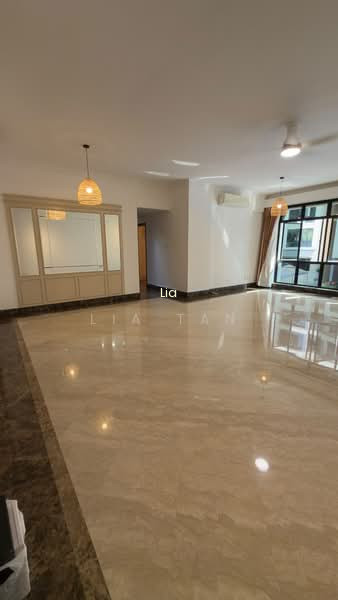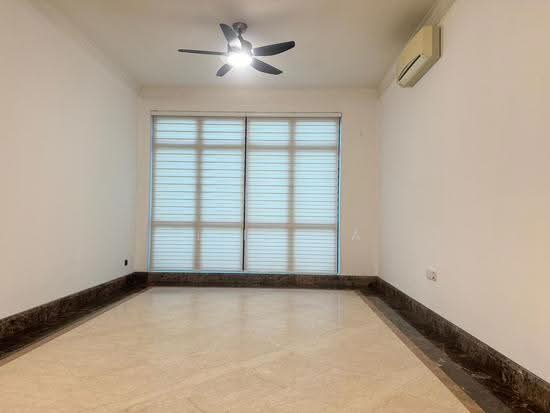
The Sterling for sale represents a prime opportunity for buyers seeking a Singapore condo for sale in the coveted District 21 along Bukit Timah Road. This comprehensive guide from Homejourney covers everything from available units and current prices to investment potential and the buying process, helping you make confident, informed decisions in a trusted environment.
Homejourney prioritizes user safety and transparency, verifying all listings to ensure trustworthiness. Whether you're a first-time buyer, upgrader, or investor eyeing D21 properties in Clementi or Upper Bukit Timah, this pillar resource positions you for success.
Property Overview
The Sterling is a prestigious freehold condominium development nestled on Bukit Timah Road in District 21, offering a blend of luxury living and strategic accessibility. Completed in 2010 by reputable developer Bukit Sembawang, it features 84 exclusive units across low-rise blocks, emphasizing privacy and quality craftsmanship.
Buyers love The Sterling for its serene yet connected location in Upper Bukit Timah, close to Clementi amenities. As a mature estate, it appeals to families and professionals seeking buy condo options with proven value. Homejourney's verified listings make exploring The Sterling for sale safe and straightforward.
Key highlights include spacious layouts, resort-style facilities like a swimming pool, gym, and landscaped gardens, and robust build quality that stands the test of time. In 2026's resilient market, The Sterling maintains strong demand amid limited new supply[1][3].
Available Units for Sale
Available units at The Sterling typically include 2-bedroom, 3-bedroom, and 4-bedroom apartments, with sizes ranging from 1,000 to 2,500 sqft. As of early 2026, expect 3-5 units on the market, reflecting low turnover in this premium development.
Popular choices are 3-bedroom units at around 1,500 sqft, ideal for families. Price expectations: $2.8M-$4.5M total, or $1,800-$2,200 psf for freehold rarity (disclaimer: prices fluctuate; verify on Homejourney).
| Unit Type | Size (sqft) | Price Range ($) | PSF Range |
|---|---|---|---|
| 2-Bedroom | 1,000-1,300 | $2.2M - $2.8M | $1,900 - $2,100 |
| 3-Bedroom | 1,400-1,800 | $3.0M - $3.8M | $1,850 - $2,150 |
| 4-Bedroom | 2,000-2,500 | $4.0M - $5.0M+ | $1,800 - $2,200 |
Action: View all units for sale at The Sterling on Homejourney for real-time listings and verified details.
Most Popular Unit Types
- 3-bedroom units: Family-friendly with helper rooms.
- High-floor corners: Panoramic views, better ventilation.
- Ground-floor garden units: Rare private patios.
Insider tip: Low-density design means units rarely stay listed long—act fast via HomejourneyProjects .
Why Buy at The Sterling
The Sterling stands out for its freehold tenure, ensuring long-term ownership security—a key draw in Singapore's leasehold-dominated market. Lifestyle perks include tranquil poolsides and BBQ areas, perfect for family gatherings.
Unique features: Direct Bukit Timah Road access, proximity to nature reserves, and modern interiors with high ceilings. For investors, steady tenant demand from expats boosts appeal. Homejourney buyers appreciate the verified community feedback emphasizing safety and maintenance excellence.
Compared to newer launches, The Sterling offers immediate occupancy and proven appreciation, aligning with 2026's flight-to-quality trend[1].
- Lifestyle: Serene yet vibrant D21 living.
- Family-Friendly: Pet-friendly policies, child-safe facilities.
- Prestige: Bukit Sembawang's reputation for quality.
Price Analysis for Buyers
In 2026, The Sterling psf holds at $1,900-$2,200, up 2-4% y-o-y amid private residential growth forecasts[3]. Historical data shows 5-7% annual appreciation since 2020, outperforming district averages.
Vs. nearby: 10-15% premium over leasehold peers like Parc Clematis due to freehold status. URA data indicates resilient values despite increased supply elsewhere[2].
| Metric | The Sterling (2026) | D21 Average |
|---|---|---|
| Avg PSF | $2,050 | $1,850 |
| Y-o-Y Growth | 3.2% | 2.8% |
| 3BR Price | $3.4M | $2.9M |
Action: See detailed price trends on Homejourney's project analysis. Disclaimer: Estimates based on recent transactions; consult professionals.
Location Advantages
Bukit Timah Road places The Sterling 800m from Sixth Avenue MRT (DTC line), a 10-min walk. Future enhancements boost connectivityBusiness Times Property .
Schools: Within 1km of top primaries like Henry Park (PSM priority), Raffles Girls' Primary. Secondaries: Nanyang Girls', Hwa Chong. International: United World College (2km).
- Shopping: Bukit Timah Plaza (5-min drive), Clementi Mall (10-min).
- Parks: Bukit Timah Nature Reserve trails (1km), Botanic Gardens (3km).
- Amenities: Cold Storage, cafes along Bukit Timah.
D21's green lung status enhances lifestyle—insider tip: Cycle to Dairy Farm Nature Park weekends.
Financing Guide for Buyers
For a $3.4M 3BR unit, expect 25% downpayment ($850K), with monthly payments ~$10K-$12K at 3% rates (25-year tenure). Singaporeans use CPF for up to 80% loan-to-value.
ABSD: 0% first-timer, 17% second property. Expats: 60% downpayment, 30% ABSD.
| Buyer Profile | Downpayment | Est. Monthly ($3.4M unit) |
|---|---|---|
| Singaporean First-Timer | 5-25% | $11,000 |
| Second Property | 25% + ABSD | $12,500 |
| Foreigner | 60% + 30% ABSD | $9,000 |
Action: Check your buying power with Homejourney's mortgage calculatorBank Rates . Rates as of 2026; seek advice.
Buying Process
Step-by-step for The Sterling:
- Search & Shortlist: Use Homejourney for verified units.
- View & Offer: Schedule via Homejourney agents.
- Option to Purchase: Pay 1% fee, 14-21 days validity.
- Financing & Legal: Submit docs to lawyer/bank.
- Completion: 8-12 weeks, pay balance.
Required docs: NRIC, income proof, CPF statements. Timeline: 2-3 months total. Homejourney streamlines with trusted agents.
Investment Potential
Rental yields: 2.5-3.5% ($8K-$12K/month for 3BR), strong expat demand near schools[3]. Capital growth: 2-4% forecast, bolstered by D21 scarcity[1].
Tenant profile: Professionals, families. Future upside: Nearby URA plots may enhance precinct value. Compare to St Martin's Investment Returns: Rental Yield Analysis | Homejourney for strategies.
- Yield Estimate: 3% net after fees.
- Outlook: Resilient amid 2026 supply shifts[2].
Post-purchase, maintain with Aircon Services .
FAQ
What is the price range for The Sterling for sale?
Units range $2.2M-$5M+, $1,800-$2,200 psf. Check Homejourney for latest.
Is The Sterling freehold?
Yes, freehold tenure adds premium value.
Nearest MRT to The Sterling?
Sixth Avenue MRT, 800m walk.
ABSD for buying The Sterling as second property?
17% for Singaporeans; use Homejourney calculator.
Rental yield at The Sterling?
2.5-3.5%, high demand in D21.
Schools near The Sterling?
Henry Park, Raffles Girls' Primary within 1km.
Ready to buy? Start with Homejourney's The Sterling listings. Our platform ensures safety, transparency, and support throughout your journey—feedback-driven for trust.