The Property Guide for Qatar Expats in Singapore is about helping Qataris and Doha-based professionals understand how to relocate, rent, or buy property in Singapore safely, while using Homejourney’s verified tools to avoid costly mistakes and scams.
Compared with Doha, Singapore is denser, greener, and more regulated, with strong tenant protections, transparent property data, and clearly defined rules for foreign buyers. For Qatar expats, that combination of safety, efficiency, and rule of law makes Singapore one of Asia’s most attractive places to live, work, and invest.
Life in Singapore for Qatar Expats: Key Similarities and Differences
If you are a Qatar expat in Singapore, you will notice familiar elements from Doha: a large international community, English widely spoken, and a strong focus on safety and family life. Both cities are global hubs with modern infrastructure and excellent flight connections.
There are, however, some important differences:
- Climate: Singapore is humid and tropical all year, with frequent rain. Air-conditioning and proper aircon servicing are essential in every home, which is why Homejourney connects users with vetted providers via Aircon Services .
- Density and transport: Singapore is much denser than Doha but extremely walkable, with an MRT network that makes car-free living realistic even for families.
- Cost of living: Both are high-cost cities, but Singapore’s housing is typically more expensive per square metre, while utilities and fuel are often higher in Qatar.
- Cultural mix: Singapore blends Chinese, Malay, Indian, and expatriate cultures, which shapes food, festivals, and neighbourhood character.
For an in-depth lifestyle overview, see: Life in Singapore for Qatar Expats: Homejourney’s Safe Living Guide Life in Singapore for Qatar Expats: Homejourney’s Safe Living Guide and Moving to Singapore from Qatar: Complete Expat Guide | Homejourney Moving to Singapore from Qatar: Complete Expat Guide | Homejourney .
Relocating to Singapore from Doha: Visas, Work, and Costs
Visa and work permit options for Qataris
Most Qatar passport holders coming to Singapore will need either a work pass (for employment), a dependent’s pass (for family members), or a Student’s Pass (for school or university). Singapore’s rules change regularly, so always cross-check with the Ministry of Manpower and ICA before applying.
Homejourney’s dedicated visa content breaks this down step-by-step: Qatar to Singapore Visa & Work Guide: Homejourney Expat Playbook Qatar to Singapore Visa & Work Guide: Homejourney Expat Playbook .
Employment opportunities for Qatar expats in Singapore
Qataris in Singapore often work in:
- Energy and LNG-related roles with regional headquarters based around Raffles Place and Marina Bay
- Finance, wealth management, and family offices clustered in the CBD and Marina Bay
- Aviation and logistics near Changi Business Park
- Higher education and research in Kent Ridge (NUS) and One-North districts
Because Singapore employers usually prefer candidates already familiar with Asia, highlighting your Gulf experience in large-scale infrastructure, hospitality, or energy projects can be a strong differentiator.
Cost of living: Doha vs Singapore (high-level comparison)
Broadly, Qatar expats will find:
- Housing: Central private condominiums in Singapore (e.g., Orchard, River Valley) often start from around SGD 4,500–6,000/month for a modern 2–3 bedroom unit, with more family-friendly options from SGD 3,500–4,500/month in city-fringe areas like Queenstown, Buona Vista, or Paya Lebar. Rents fluctuate based on market cycle and should be verified at the time of search.
- Transport: Public transport is cheaper than maintaining a car. COE (Certificate of Entitlement) makes car ownership significantly more expensive than in Doha.
- Food: Eating at hawker centres can be very affordable, while fine dining is on par with other global cities.
For verified rent and sale prices by project, Homejourney’s projects directory Projects Directory and project pages Projects aggregate transaction data and market analysis from official sources such as URA and trusted news portals like EdgeProp Property News and Straits Times Housing News .
Property Options for Qatar Expats: Renting and Buying Safely
Types of property foreigners can buy
As a Qatar expat, you are classified as a foreigner under Singapore law unless you also hold Singapore Permanent Resident (PR) status. Foreigners can typically buy:
- Private condominiums and apartments across most of Singapore, which are the most common choice.[5]
- Strata-titled landed houses in approved developments (subject to Singapore Land Authority approval).[5]
- Some leasehold landed properties with lease terms up to 7 years.[5]
In contrast, foreign buyers usually cannot purchase regular landed homes (terrace, semi-detached, bungalows) on the mainland without special approval, and HDB (public housing) purchase is heavily restricted for non-citizens.[1][5]
Because these rules are precise and may change, Homejourney always recommends checking the Singapore Land Authority and URA guidelines, and—if you are considering landed property—seeking legal advice before committing to a purchase.
ABSD and taxes for Qataris in Singapore
Foreign buyers currently pay Additional Buyer’s Stamp Duty (ABSD) on top of standard Buyer’s Stamp Duty. The ABSD rate for foreigners is high and subject to periodic revision by the Ministry of Finance. This significantly affects investment returns and cash flow.
Before making any purchase decision, Qatar expats should:
- Check the latest ABSD and BSD rates from IRAS.
- Use Homejourney’s mortgage and bank rate tools Bank Rates and Mortgage Rates to model financing scenarios.
- Speak with a licensed banker or financial adviser familiar with both QAR and SGD to understand cross-border implications.
Homejourney emphasises transparent cost breakdowns so Qataris can compare total acquisition costs, including taxes, legal fees, and currency conversion spreads.
Popular neighbourhoods for Qatar expats in Singapore
From on-the-ground experience working with Middle Eastern clients, several districts consistently appeal to Qatar expats:
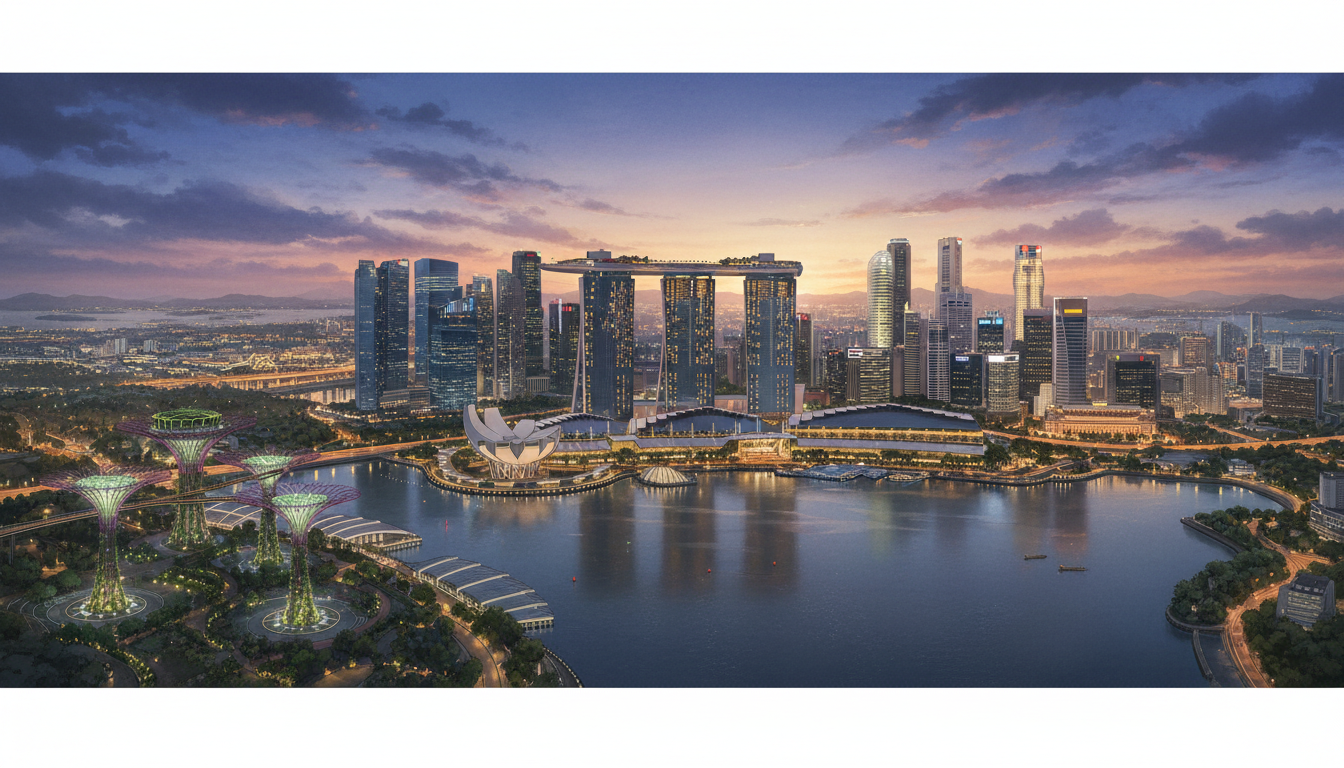
- Marina Bay & CBD: Ideal if you enjoy the high-rise, waterfront feel similar to The Pearl-Qatar. Close to Grade A offices and Marina Bay Sands, with luxury condos and direct MRT access.
- River Valley & Orchard: Central, upscale, and convenient to international schools and malls, similar in feel to premium Doha neighbourhoods but with lush greenery and park connectors.
- East Coast (Katong, Meyer, Siglap): Favoured by families for seafront living, international schools, and access to East Coast Park, roughly a 15–20 minute drive to the CBD off-peak.
- Holland Village & Bukit Timah: Green, low-rise, close to top local and international schools, and popular with long-term expats.
Homejourney’s verified listings and neighbourhood insights help Qataris filter by school proximity, mosque access, and commuting time to business hubs via Property Search .
Rental market overview and safety tips
Most new arrivals from Qatar choose to rent first. According to multiple market reports, the rental market in Singapore is competitive but more structured and regulated than in many other cities, with standard tenancy agreements and documented inventory lists.[9]
Key safety and trust tips Homejourney emphasises:
- Use licensed agents: Always verify that your agent is registered with Singapore’s Council for Estate Agencies (CEA). Homejourney’s agent directory only features vetted, licensed professionals.
- Check ownership: Ask to see the property tax bill or proof of ownership so you know you are dealing with the actual landlord or their authorised representative.
- Document everything: Insist on a written tenancy agreement, clear diplomatic clause if you are on an employment contract, and a photographic inventory at handover.
- Use secure payment channels:
References