Understanding Landed Housing Development Unit Types: A Complete Buyer's Guide
When searching for your ideal landed property in Singapore's District 15 (East Coast, Marine Parade), understanding the different unit types and their sizes is essential for making an informed decision. Landed housing developments offer distinct property categories—each with unique characteristics, space allocations, and investment potential. At Homejourney, we prioritize your safety and confidence by providing transparent, verified information to help you navigate this important purchase.
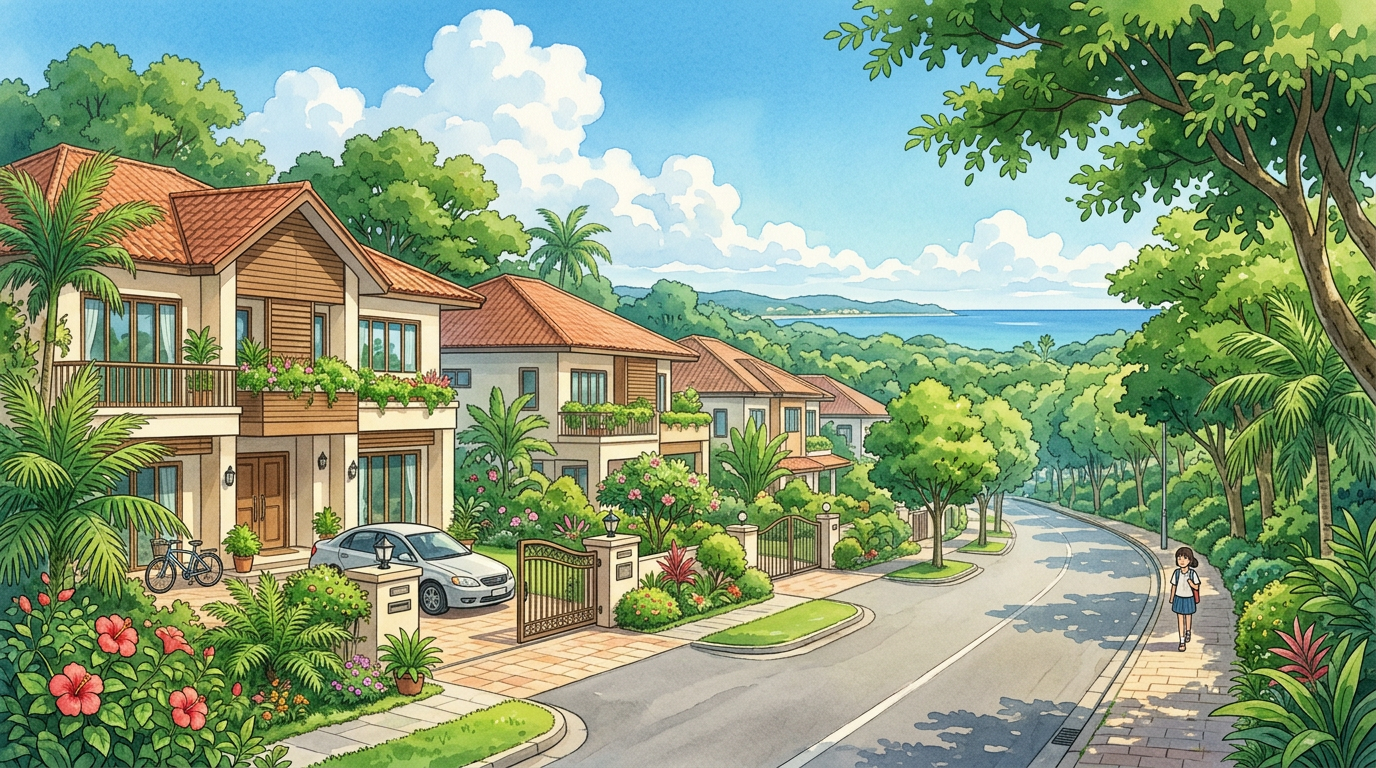
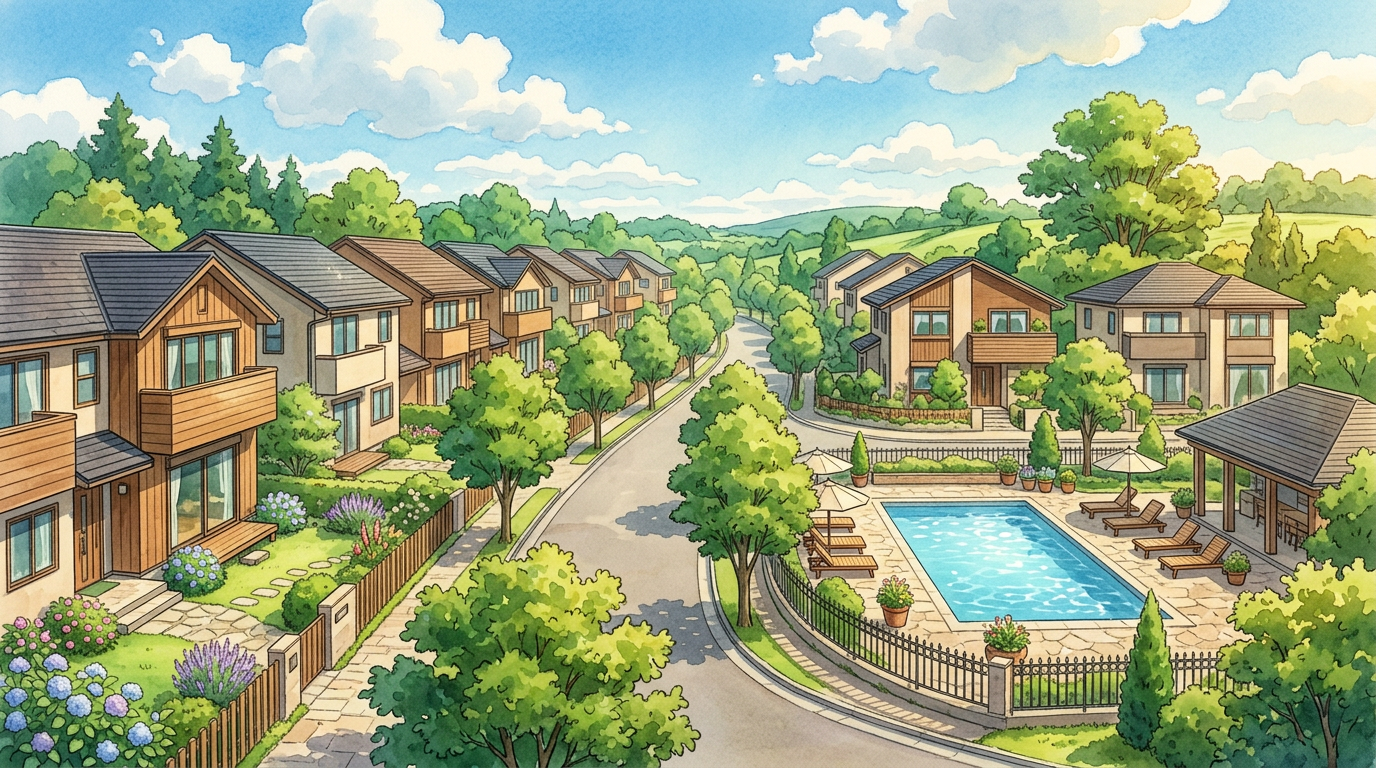
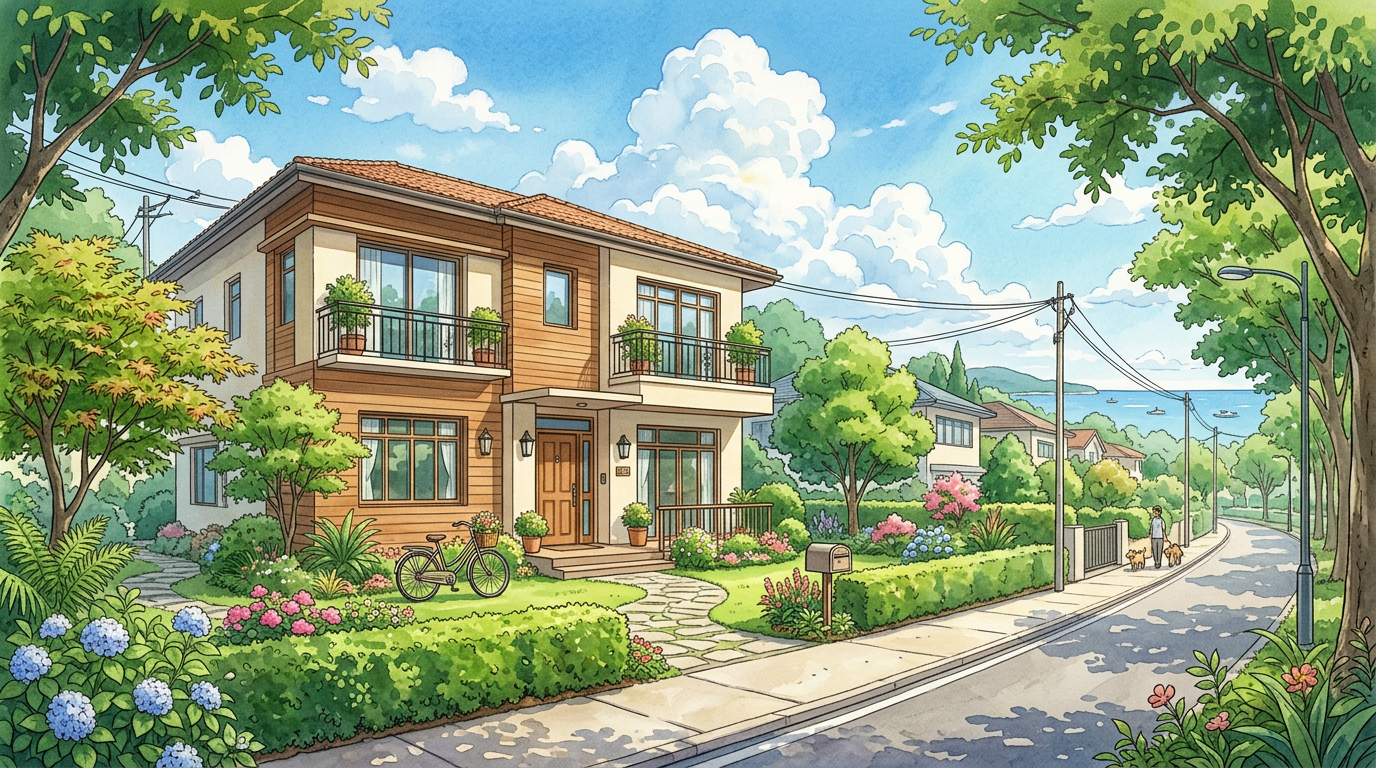
Landed properties in Singapore are fundamentally different from condominiums. Unlike high-rise developments, landed housing gives you ground-level ownership with private outdoor space, greater autonomy over renovations, and the potential for significant capital appreciation. The unit types available at developments like those on Figaro Street represent varying levels of privacy, land area, and customization possibilities.
The Four Main Landed Housing Unit Types in Singapore
Singapore's Urban Redevelopment Authority (URA) recognizes four primary landed housing build types, each with specific regulatory requirements and characteristics. Understanding these distinctions is crucial for buyers evaluating properties in District 15.
1. Terrace Houses: Compact Urban Living
Terrace houses are the most compact landed property type, designed for efficient urban living while maintaining ground-level ownership. These units share common walls with neighboring properties on one or both sides, creating a townhouse-style arrangement. In Singapore, terrace houses come in two configurations: intermediate terrace (with walls on both sides) and end terrace (with one shared wall).
For intermediate terrace units, the minimum land size is 150 square metres with a minimum frontage width of 6 metres. End terrace units typically offer slightly larger plot sizes. These properties are ideal for first-time buyers seeking affordability while maintaining the benefits of landed ownership. The shared wall construction provides structural stability and can offer better thermal efficiency than detached homes.
In District 15 developments, terrace units typically range from 2 to 3 storeys, with built-up areas commonly between 1,200 to 1,800 square feet. These units often feature efficient layouts with 3 to 4 bedrooms, making them attractive for growing families or investors targeting the rental market.
2. Semi-Detached Houses: Enhanced Privacy and Space
Semi-detached houses offer a middle ground between terrace units and fully detached bungalows. These properties share a single common wall with one neighboring unit, providing greater privacy than terrace houses while maintaining more affordable pricing than bungalows. Semi-detached homes are permitted in bungalow areas, semi-detached housing areas, and mixed-landed housing zones.
Semi-detached units typically feature larger plot sizes than terrace houses, offering more outdoor space for gardens, parking, and potential extensions. In District 15's mixed-landed developments, semi-detached properties commonly range from 1,500 to 2,200 square feet with 3 to 4 bedrooms across 2 to 3 storeys. The additional land area provides flexibility for future renovations or reconstruction projects.
These units appeal to buyers who want more autonomy than terrace living but prefer lower maintenance and costs compared to fully detached properties. The investment potential is strong, as semi-detached homes command premium rental rates due to their enhanced privacy and space.
3. Bungalows (Detached Houses): Maximum Independence
Bungalows are fully detached, standalone properties with no shared walls—offering maximum privacy and independence. These are the second-largest landed property type by land area and can be developed in any designated landed housing area, including semi-detached zones and mixed-landed areas. Bungalows are highly sought after by families prioritizing privacy and those planning significant renovations or reconstructions.
Bungalows in District 15 typically feature plot sizes ranging from 3,000 to 6,000 square metres, with built-up areas commonly between 2,000 to 3,500 square feet. These properties offer substantial outdoor space for gardens, swimming pools, and recreational facilities. The standalone nature means you have complete control over architectural modifications, landscaping, and property improvements without affecting neighbors.
From an investment perspective, bungalows attract high-net-worth tenants and families, commanding premium rental rates. The larger land area also provides appreciation potential, particularly in prime districts like East Coast and Marine Parade where land scarcity drives value growth.
4. Good Class Bungalows (GCB): Singapore's Most Prestigious Properties
Good Class Bungalows represent the pinnacle of Singapore's landed property market. These are the most exclusive and prestigious units, located only in 39 gazetted GCB zones across Singapore. GCBs are distinguished by their substantial minimum plot size of 1,400 square metres with a minimum frontage width of 18.5 metres, maximum site coverage of 40%, and maximum building height of 2 storeys.
There are approximately 2,700 to 2,800 GCBs in Singapore, making them exceptionally rare. These properties are located primarily in Districts 9, 10, and 11 (including areas like Bukit Timah, Holland, and Nassau), though some may be found in other premium zones. GCBs are considered wealth preservation assets among Singapore's ultra-high-net-worth individuals, with limited supply ensuring sustained appreciation.
While District 15 (East Coast, Marine Parade) is not a designated GCB zone, understanding this category is valuable for investors comparing property investment options. GCBs typically feature custom architectural designs, expansive well-manicured gardens, and built-up areas exceeding 4,000 square feet across 2 storeys.
Unit Size Variations in Landed Housing Developments
Landed housing developments in District 15 offer diverse unit sizes catering to different buyer profiles and investment objectives. Understanding typical size ranges helps you identify properties matching your space requirements and budget.
Compact Units: 1,200 to 1,500 Square Feet
These smaller landed units, typically terrace houses, are ideal for first-time buyers, young professionals, and investors seeking affordable entry points. They commonly feature 2 to 3 bedrooms, 2 bathrooms, and efficient layouts maximizing usable space. Compact units in District 15 attract strong rental demand from young families and expatriates, making them excellent investment vehicles with healthy rental yields.
Mid-Range Units: 1,500 to 2,200 Square Feet
This category encompasses most semi-detached houses and smaller bungalows, offering the optimal balance between affordability and space. Mid-range units typically feature 3 to 4 bedrooms, 2 to 3 bathrooms, and dedicated living areas. These properties appeal to upgraders and families seeking more space than compact units while maintaining reasonable price points. The rental market for mid-range units remains robust, particularly in District 15's accessible location near East Coast and Marine Parade amenities.
Large Units: 2,200 to 3,500 Square Feet
Larger bungalows and premium semi-detached units fall into this category, offering substantial space for extended families and those planning home offices or recreational facilities. These units typically feature 4 to 5 bedrooms, 3 to 4 bathrooms, and generous outdoor areas. Large units command premium rental rates and attract tenants with specific space requirements, making them attractive for property investors targeting higher yields.
Key Size and Specification Differences Between Unit Types
Each landed housing type operates under distinct regulatory parameters that directly impact usable space, development potential, and property value. Understanding these differences ensures you select the unit type best suited to your needs.
- Site Coverage Limits: Terrace and semi-detached units in mixed-landed zones typically allow up to 50% site coverage, while GCBs are limited to 40%. This affects the maximum built-up area possible on your plot.
- Storey Height Restrictions: District 15 allows 2 to 3-storey developments depending on the specific zone. Some terrace units may be limited to 2 storeys, while semi-detached and bungalows offer greater flexibility for 3-storey constructions or future vertical expansion.
- Setback Requirements: Different unit types have varying setback controls (distance from property boundaries), affecting garden sizes and outdoor space configurations.
- Renovation Flexibility: Bungalows offer maximum flexibility for Addition & Alteration (A&A) works and reconstructions, while terrace units have more constraints due to shared walls. This impacts long-term customization possibilities.
Why Unit Type Matters for Your Purchase Decision
Selecting the right unit type extends beyond personal preference—it significantly impacts your investment returns, renovation possibilities, and lifestyle satisfaction. Terrace houses offer affordability and strong rental demand, making them excellent starter investments. Semi-detached units provide the sweet spot between privacy and value, appealing to upgraders and families. Bungalows deliver maximum autonomy and premium positioning, attracting high-value tenants and offering substantial appreciation potential.
At Homejourney, we help you evaluate these factors transparently. Our property search platform allows you to filter by unit type, size, and price range, ensuring you find options matching your specific criteria. We also provide detailed project analysis showing transaction histories and price trends for Landed Housing Development units, helping you make data-driven decisions.
Available Units at Landed Housing Development, Figaro Street
Landed Housing Development on Figaro Street in District 15 (East Coast, Marine Parade) typically features a mix of terrace houses, semi-detached units, and bungalows. The development's strategic location provides excellent connectivity to East Coast Parkway, Marine Parade amenities, and nearby MRT stations, making units highly desirable for both owner-occupiers and investors.
Current unit availability varies, but the development generally offers:
- Terrace houses: 1,200–1,600 sq ft, 3 bedrooms, 2–3 storeys
- Semi-detached units: 1,600–2,200 sq ft, 3–4 bedrooms, 2–3 storeys
- Bungalows: 2,200–3,500+ sq ft, 4–5 bedrooms, 2–3 storeys
To view all current listings and available units, browse available units for sale on Homejourney. Our platform provides verified listings, detailed unit specifications, and transparent pricing information to support your buying decision.
Financing Your Landed Housing Purchase
Understanding financing options is crucial for landed property purchases. Most buyers utilize a combination of cash down payment and mortgage financing. The down payment typically ranges from 25% to 30% for landed properties, with the remaining amount financed through bank mortgages.
Additional Buyer's Stamp Duty (ABSD) applies to most property purchases in Singapore, with rates varying based on citizenship status and ownership history. First-time Singapore citizen buyers may benefit from ABSD exemptions or reduced rates, while foreign buyers face higher ABSD rates. CPF funds can be used for down payments and mortgage payments, subject to CPF Board regulations.
Use Homejourney's mortgage calculator to estimate monthly payments for different unit types and financing scenarios. Our calculator incorporates current interest rates and helps you understand affordability across various property options within Landed Housing Development.
Investment Potential by Unit Type
Different unit types offer varying investment characteristics. Terrace houses in District 15 typically yield 3.5% to 4.5% annual rental returns, with strong tenant demand from young professionals and families. Semi-detached units command premium rents, often achieving 4% to 5% yields due to enhanced privacy and space. Bungalows attract high-net-worth tenants, potentially delivering 4.5% to 5.5% yields, though vacancy periods may be longer due to limited tenant pool.
District 15's proximity to East Coast Parkway, Marine Parade shopping centers, and established schools creates consistent tenant demand. The area's mature infrastructure and accessibility make it attractive for long-term capital appreciation and steady rental income.
Frequently Asked Questions About Landed Housing Unit Types
What's the difference between a terrace house and a semi-detached unit?
Terrace houses have common walls on one or both sides, while semi-detached units share a wall with only one neighboring property. Semi-detached units offer greater privacy and larger plot sizes, typically commanding higher prices and rental rates. Terrace houses provide more affordable entry points with strong rental demand.
Can I renovate or extend a terrace house in a landed development?
Yes, you can undertake Addition & Alteration (A&A) works on terrace houses, subject to URA regulations and site coverage limits. However, structural modifications affecting shared walls require neighbor consent and professional engineering approval. Bungalows offer greater renovation flexibility without these constraints.
Which unit type offers the best rental yield?
While all landed unit types generate healthy rental income, bungalows typically command premium rents attracting high-value tenants. However, terrace and semi-detached units often achieve better overall returns due to lower purchase prices and consistent tenant demand. The optimal choice depends on your investment strategy and target tenant profile.
Is a landed property better than a condominium for my family?
Landed properties offer ground-level living, private outdoor space, and renovation autonomy that condominiums cannot match. However, condominiums provide shared amenities, lower maintenance responsibilities, and potentially better liquidity. Your choice depends on lifestyle preferences, family size, and long-term plans. Landed properties suit families prioritizing privacy and space, while condominiums appeal to those valuing convenience and shared facilities.