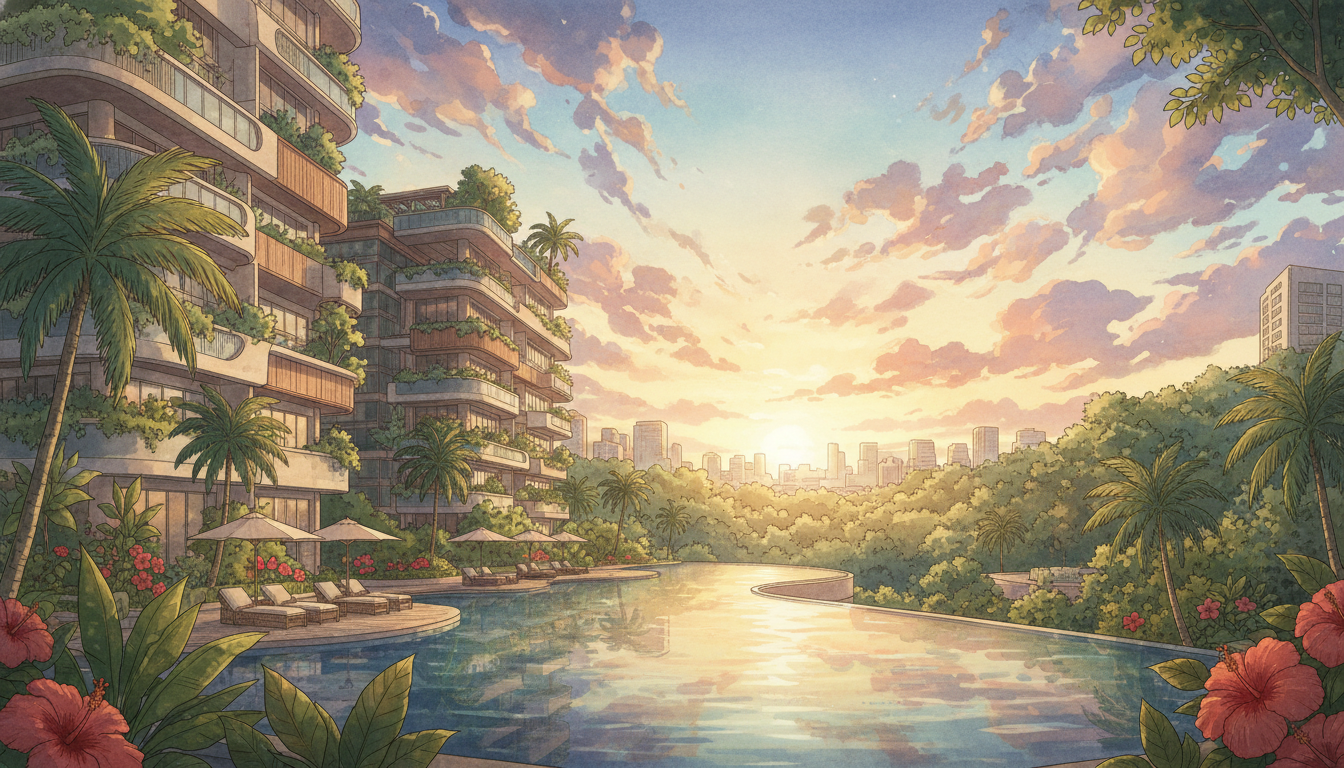
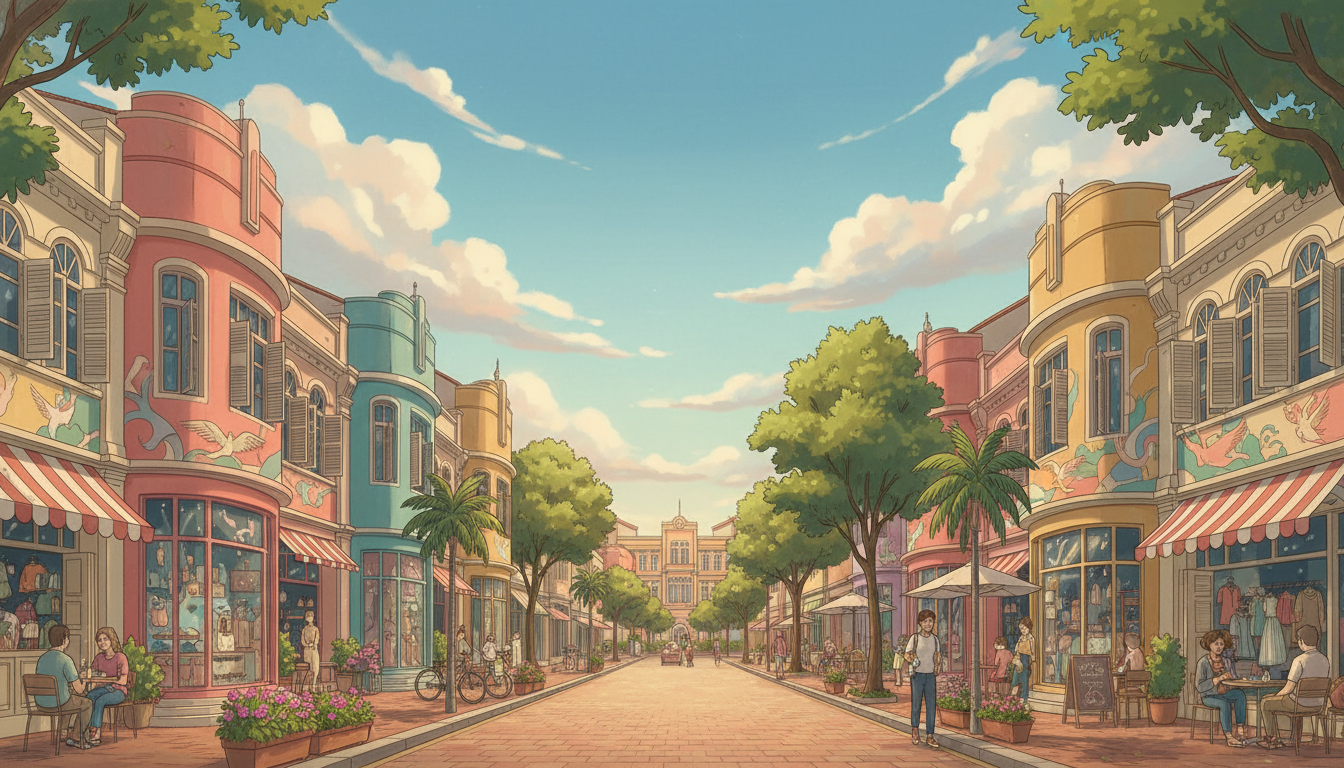
Discover Tiong Bahru, Singapore's premier heritage area blending 1930s Art Deco architecture with modern hipster Singapore energy. This definitive Homejourney guide covers everything from iconic Tiong Bahru cafes to property insights, helping you explore, live, or invest safely in this trusted neighborhood.
Homejourney prioritizes your safety with verified information and transparent insights, ensuring confident decisions in Tiong Bahru's vibrant scene. Whether you're a first-time visitor, local explorer, or property buyer, this exhaustive resource equips you with practical advice grounded in real experiences.
Table of Contents
- 1. Overview & Quick Facts
- 2. Things to Do Nearby
- 3. Food & Dining
- 4. Shopping
- 5. Practical Information
- 6. Property & Living
- 7. Insider Tips
- 8. Nearby Attractions
- FAQ
1. Overview & Quick Facts
Tiong Bahru MRT station (TE17) on the Thomson-East Coast Line serves as the heartbeat of this heritage area. Operating from 5:49 AM to 11:37 PM weekdays (extended weekends), it offers barrier-free access, bicycle parking, and clear exits for key spots[1][2].
Exit A leads directly to Tiong Bahru Market (5-minute walk), while Exit B connects to heritage shophouses and Tiong Bahru cafes along Yong Siak Street (3-minute walk). This neighborhood, Singapore's first public housing project from the 1930s, evolved from a former cemetery site—its Hokkien-Malay name means "new cemetery"—into a hipster Singapore haven[1][5].
Quick Facts Table:
| Feature | Details |
|---|---|
| MRT Line & Code | Thomson-East Coast Line (TE17) |
| Operating Hours | 5:49 AM - 11:37 PM (weekdays) |
| Key Exits | A: Market & Heritage; B: Cafes & Shops |
| Accessibility | Full barrier-free, bike racks |
| Walking Radius | Most attractions <10 mins |
Homejourney verifies these details for your trusted navigation, linking seamlessly to Property Search ">property search in Tiong Bahru.
2. Things to Do Nearby (Within Walking Distance)
Stroll Tiong Bahru Estate's preserved Art Deco buildings, a rare low-rise enclave amid Singapore's high-rises. The iconic "aeroplane buildings" with curved staircases at Yong Siak Street are Instagram gold (2-minute walk from Exit B)[1][3][5].
Explore street art murals like the Boat Wall Painting near Tiong Bahru Road (4-minute walk). Visit the air raid shelter turned art space in pre-war shophouses, showcasing local heritage (6-minute walk). Parks like Tiong Bahru Park offer green respite (8-minute walk from station)[1][4].
Cultural gems include Bird Singing Corner, a local tradition spot (5-minute walk), and indie galleries in Tan Boon Liat Building (10-minute walk towards Outram Road). These spots blend history with hipster Singapore creativity, perfect for photo ops[3].
Top Photo Spots
- Aeroplane Flats: Curved stairs at Block 9/10 Yong Siak St (2 mins)
- Boat Mural: Tiong Bahru Rd wall art (4 mins)
- Heritage Shophouses: Eng Hoon St pastel facades (3 mins)
- Market Vibrancy: Tiong Bahru Market exterior (5 mins)
For families, nearby Pearl's Hill City Park provides playgrounds (15-minute walk). Homejourney's guides ensure safe, verified exploration.
3. Food & Dining
Tiong Bahru shines as a food paradise, from heritage hawker stalls to trendy Tiong Bahru cafes. Tiong Bahru Market & Food Centre (formerly Seng Poh, 30 Seng Poh Road, 5-minute walk from Exit A) is a must—upstairs hawker centre offers shui kuih, prawn noodles (S$3-5, opens 6 AM)[1][4].
Iconic Tiong Bahru Bakery (56 Eng Hoon St, croissants S$4.50, opens 8 AM) draws crowds for artisanal pastries. Flock Cafe (78 Moh Guan Terrace #01-25, kid-friendly, coffees S$5-7, 7-minute walk) epitomizes the hip vibe[2].
Dining Price Guide Table:
| Venue | Cuisine | Price Range | Must-Try |
|---|---|---|---|
| Tiong Bahru Market | Hawker | $ (S$3-6) | Prawn noodles, Shui kuih |
| Tiong Bahru Bakery | Pastry/Cafe | $$ (S$4-8) | Croissant, kouign-amann |
| Dirty Supper | Grill/Modern | $$$ (S$20-40) | Whole animal dishes |
| Flock Cafe | Cafe | $$ (S$6-12) | Brunch plates |
Local tip: Visit market early mornings for freshest kueh. For upscale, Dirty Supper (78 Moh Guan Terrace #01-19, grilling focus, vintage charm, 6-minute walk)[1]. Homejourney recommends these for safe, authentic eats.
4. Shopping
Tiong Bahru Plaza (302 Tiong Bahru Road, 7-minute walk from Exit C) is the neighborhood mall with Uniqlo, supermarkets, cinema since 1994—essentials under one roof[3].
Boutiques thrive: Cat Socrates (78 Yong Siak St #01-14, Singapore-themed gifts, 3-minute walk), Yeni Draws (55 Tiong Bahru Road, colorful homewares)[1]. Tan Boon Liat Building (315 Outram Road, 10-minute walk) houses 30+ design stores like Journey East (Level 3, furniture)[1].
Markets at Tiong Bahru Market ground floor offer groceries, clothes (bargain frenzy mornings). Convenience: FairPrice Xtra in plaza.
- Souvenirs: Cat Socrates (postcards S$2)
- Home: Tan Boon Liat (art, furnishings)
- Daily: Tiong Bahru Plaza (supermarket, chains)
5. Practical Information
Best time: Weekday mornings to avoid crowds, weekends for markets (cooler Nov-Feb). From Changi Airport: MRT East West Line to Tanah Merah, transfer Thomson-East Coast to Tiong Bahru (45 mins, S$2.20)[1].
From Orchard: 30-minute MRT ride (TE16 to TE17). Buses: 121, 195 from major hubs. Parking: Limited at market (S$0.50/30 mins), use HDB multi-stories nearby.
Nearby connections: Outram Park (2 stops, North East Line), HarbourFront (5 stops). LTA data confirms excellent accessibility[1][2].
6. Property & Living
Tiong Bahru offers rare low-rise heritage HDB flats, Art Deco apartments (1930s builds), and modern condos. Average resale HDB: S$1.2M-1.8M (2026 URA data), rentals S$4K-6K/month for 3-4 room units. Appeal: Walkable, hip lifestyle near CBD (10-min drive)[6].
Schools: Cantonment Primary (10-min walk), CHIJ Kellock (12 mins)—see Tiong Bahru Schools & Education Guide | Homejourney ">Tiong Bahru Schools Guide. Healthcare: SGH (15 mins), polyclinics nearby.
Why live here? Community vibe, no high-rises, URA-conserved heritage. For prices, check Tiong Bahru Property Prices & Rental Guide | Homejourney ">Tiong Bahru Property Guide and Projects Directory ">projects directory. Homejourney verifies listings for safety; finance via Bank Rates ">mortgage rates. Post-move, Aircon Services ">aircon services.
Insider: Young professionals flock for cafes, families for parks—resale values up 8% YoY per URA.
7. Insider Tips
Locals hit Tiong Bahru Market pre-8 AM for uncrowded kueh. Avoid weekends post-noon for cafe queues—opt for 10 AM. Money-saver: Hawker meals under S$5 vs cafes S$15+.
Hidden gem: Moh Guan Terrace alleys for street art (quiet evenings). Combine with Robertson Quay walk (15 mins). As a frequent visitor, I love the kopitiam coffee at heritage spots—authentic, S$1.20.
- Wear comfy shoes: Cobbled paths.
- Download Homejourney app for Property Search ">property search.
- Early bird for bakery freshness.
8. Nearby Attractions & Itineraries
Chinatown (10-min MRT), Marina Bay (20 mins). Itinerary: Morning market, cafe hop, Tan Boon Liat, evening hawker. Link to Marina Bay Area Complete Living Transport & Amenities Guide | Homejourney ">Marina Bay Guide.
Weekend: Tiong Bahru + HarbourFront (Sentosa, 10 mins MRT). Homejourney crafts safe plans.
FAQ
What is Tiong Bahru famous for? Art Deco heritage, Tiong Bahru cafes, and hipster Singapore vibe in a conserved estate[1][5].
Best Tiong Bahru cafes? Tiong Bahru Bakery (pastries), Flock (brunch)[1][2].
Is Tiong Bahru good for families? Yes, parks, schools nearby; safe low-rise living[2].
Property prices in Tiong Bahru? HDB resale S$1.2M+, rentals S$4K+; verify on Homejourney[6].
How to get to Tiong Bahru MRT? 45 mins from airport, 30 from Orchard[1].
Parking in Tiong Bahru? Limited; use HDB carparks S$0.50/30 mins.
Best time for Tiong Bahru Market? Mornings for fresh produce, less crowds.
More queries? Homejourney's verified platform supports your journey.
Ready to explore or buy in Tiong Bahru? Start with Homejourney's Property Search ">property search for trusted listings. We prioritize safety, transparency, and your feedback for confident decisions in this heritage area.