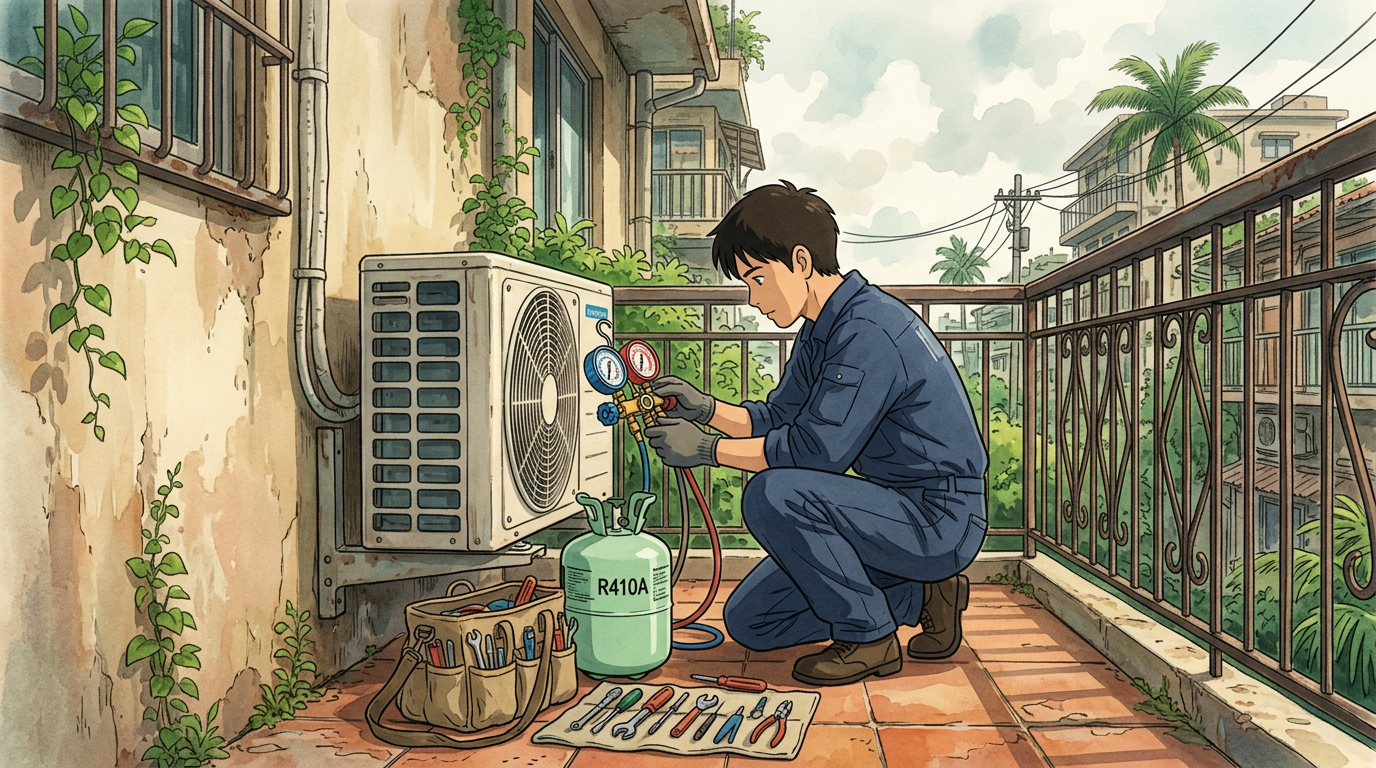
Termite Treatment and Prevention in Singapore Homes Cost Guide: Singapore Prices 2025 shows that most homeowners can expect to pay around S$60–S$200 for an initial inspection, S$180–S$350 per location for spot termite treatment, and S$500–S$2,500+ for full termite control and prevention systems in 2025, depending on property size and infestation severity[1][2][4][8].
From my experience viewing and managing homes across HDBs in Tampines, older walk-up apartments in Tiong Bahru, and landed houses in Serangoon Gardens, termite control is one of the most important hidden costs you must plan for when buying or investing in Singapore property. Homejourney’s focus on safety and verified information means this guide is written to help you budget realistically, avoid scare tactics, and know when professional help is non‑negotiable.
How This Termite Cost Guide Fits Into Your Property Journey
This cluster guide supports Homejourney’s main pillar article: Homejourney's Ultimate Guide: Termite Treatment & Prevention in Singapore Homes Homejourney's Ultimate Guide: Termite Treatment & Prevention in Singapore Homes .
That pillar explains how termites (often called “white ants” in Singapore) behave, common infestation signs, and long-term protection strategies. This cluster goes deep into one specific question buyers and investors always ask during viewings in estates like Woodlands, Clementi, and Bukit Timah: “How much will termite treatment and prevention really cost me in 2025?”
Use this guide when you’re budgeting for a resale HDB, private condo, or landed house and want a realistic, safety‑first breakdown of termite treatment, termite control and preventive measures in Singapore.
Typical Termite Treatment Costs in Singapore (2025)
Pest control prices in Singapore are fairly consistent across reputable NEA‑licensed companies, with variations by method and property type[1][2][4][8]. Below is a grounded, 2025‑relevant overview.
1. Termite Inspection (First Step for Any Home)
For any suspicious “white ants” activity (mud trails, hollow wood, bubbling paint), the first paid step is usually an on‑site termite inspection.
Typical 2025 price range:
- Initial termite inspection: S$60–S$200 per visit for most homes[1][2][8]
- Some firms offer free inspections, recouping cost through treatment packages[8]
What’s usually included[1][2][8]:
- Full property survey (including skirting boards, built‑in carpentry, door frames, and common wet areas)
- Moisture or detection tools (depending on company)
- Inspection report with photos and recommended termite control options
Insider tip: In older resale HDB blocks (e.g. Ang Mo Kio, Bedok) and low‑floor units near planters or rubbish chutes, I strongly recommend annual inspections, even if you see no visible termites. The cost of one inspection is negligible compared to structural repairs if you catch an infestation late[5].
2. Spot / Localised Termite Treatment Costs
If your inspector finds a small, localised termite nest (for example, behind a built‑in wardrobe in a Punggol BTO or around a door frame in a Toa Payoh resale flat), a spot treatment is often recommended.
- Spot termite treatment (per location): S$180–S$350 in 2025[2]
- Drilling and injecting termiticide into affected wood or walls
- Foaming or dusting treatment for hidden galleries
- Basic patching of drill holes (aesthetic touch‑ups may be extra)
When this makes sense: Newer HDB or condo units in areas like Sengkang or Buangkok where the overall structure is sound, but one wet area (e.g. common bathroom door frame) shows activity.
3. Corrective Chemical Barrier Treatment Costs
For more advanced infestations or landed properties (e.g. terrace houses in Serangoon, semi‑Ds in Bukit Timah), companies typically propose a corrective chemical barrier around the building.
- Corrective / chemical barrier treatment: S$500–S$2,000+ in 2025, depending on property size and drilling scope[2][4]
What this usually involves[1][2][4]:
- Drilling along the perimeter (external and sometimes internal)
- Injecting termiticide into soil or slab joints to form a treated zone
- Targeted internal injections around key hotspots (toilet bases, kitchen, staircases)
Insider note: For older inter‑terrace units in areas like Hougang or Upper Thomson, expect closer to the upper end of the S$2,000+ range because of larger ground contact and more drilling required around patios and gardens.
4. Termite Baiting System Costs
Many newer condos and higher‑value landed homes in districts 9, 10 and 15 opt for termite baiting systems for long‑term termite prevention Singapore‑style.
- Baiting system (installation & monitoring): S$800–S$2,500+ in 2025[2]
What’s typically included[1][2]:
- Installation of multiple bait stations around your property perimeter
- Regular inspections (often monthly to quarterly)
- Replacement of consumed bait and activity reporting
Who should consider this: Landed owners, ground‑floor units with lush landscaping (e.g. East Coast, Hillview), or investors planning to hold the property long‑term and wanting predictable annual termite control costs.
Cost Benchmarks by Property Type (Realistic 2025 Ranges)
Based on compiled Singapore price guides and what I’ve seen across common property types, here are realistic all‑in termite treatment cost bands for 2025 (inspection + initial treatment)[1][2][4][7][8].
HDB Flats (3–5 Room, Executive)
- Inspection: S$60–S$150
- Localised spot treatment only: S$180–S$500 (1–2 affected areas)
- More extensive barrier work (rare for HDB): S$500–S$1,000
Local insight: In corridor units next to rubbish chutes or planters in older towns like Queenstown or Bukit Merah, I often see termites in door frames and built‑ins first. Many owners opt for repeated spot treatments instead of a full barrier due to structural limitations of HDB slabs.
Condominiums & Apartments
- Inspection: S$80–S$200
- Unit‑level spot treatment: S$200–S$800 depending on the number of affected carpentry zones
- Baiting/barrier (for ground‑floor or penthouse planter boxes): S$800–S$2,000+
Important: Always check with MCST (condo management) before commissioning major termite control. In many developments around Pasir Ris, Tanah Merah, or Hillview, the MCST already has a pest contract, and you may be entitled to subsidised or free treatment for structural or common area termite issues.
Landed Properties (Terrace, Semi‑D, Bungalow)
- Inspection: S$100–S$200
- Corrective chemical barrier: S$1,200–S$3,000+ depending on land size and built‑up[2][4]
- Baiting system with monitoring: S$1,500–S$3,000+ initial, then annual servicing fees
Local example: For a ~2,000 sqft land inter‑terrace in Serangoon, I’ve seen realistic quotes around S$1,500–S$2,000 for a full chemical barrier plus 1‑year warranty. A larger Bukit Timah bungalow with gardens can cross S$3,000 because of longer drilling lines and more bait stations.