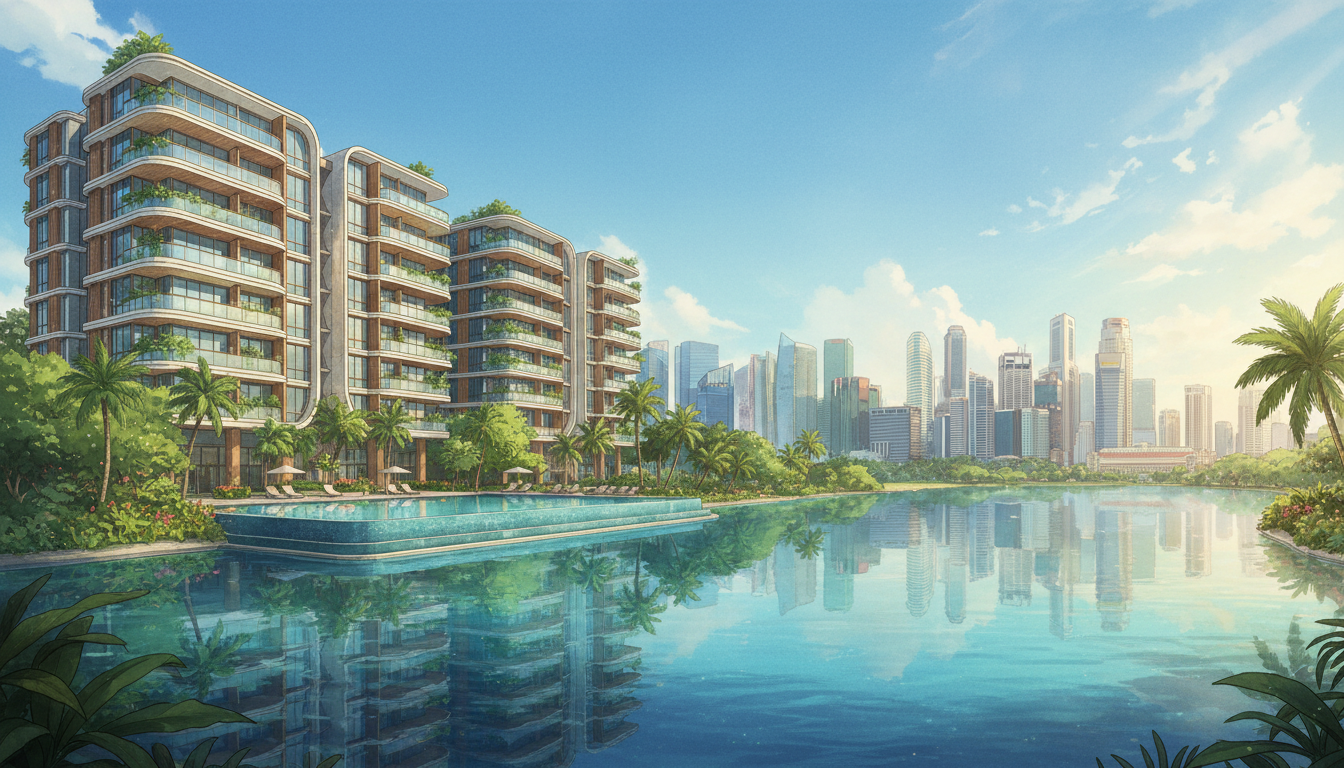
Step-by-Step Property Buying Process for Foreigners in Singapore
The step-by-step property buying process for foreigners in Singapore starts with understanding what you can buy, estimating your total costs (especially ABSD), arranging financing, shortlisting safe and verified properties, and then moving through booking, legal completion, and post-purchase checks.
This focused guide is a tactical extension of our main foreign buyer pillar, Step-by-Step Property Buying Process for Foreigners | Homejourney Step-by-Step Property Buying Process for Foreigners | Homejourney , and is written for buyers who want a clear, practical roadmap anchored in Singapore’s 2024–2025 rules.
1. What Foreigners Can (and Cannot) Buy in Singapore
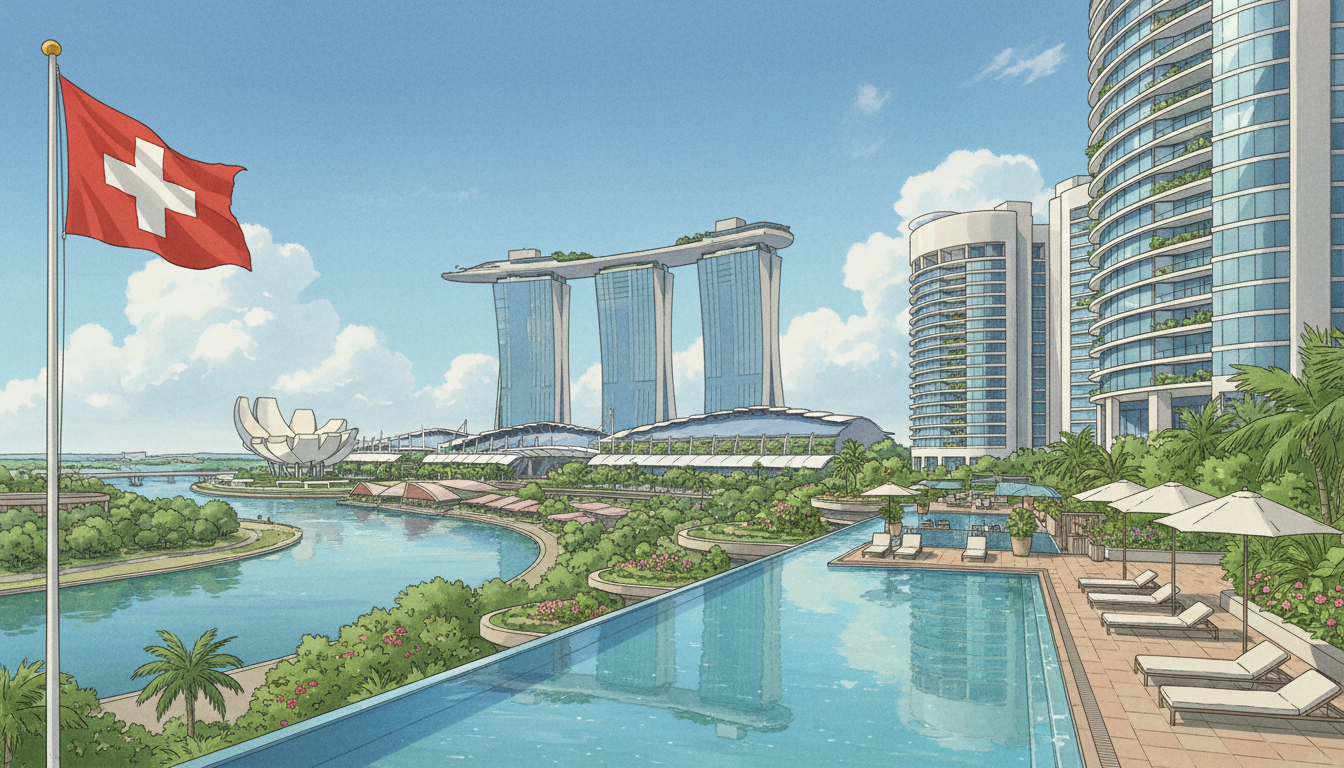
Before you even call an agent, you must know what types of property foreigners are allowed to purchase. Under Singapore’s Residential Property Act, foreigners can freely buy most non-landed private homes, but face restrictions on HDB and landed property.[1][3]
Common options for foreign buyers (non-PR):
- Private condominium / apartment – Freely purchasable by foreigners.[1][2][3]
- Fully privatised Executive Condominium (EC) – Only after year 10, treated as private property for eligibility.[2][3]
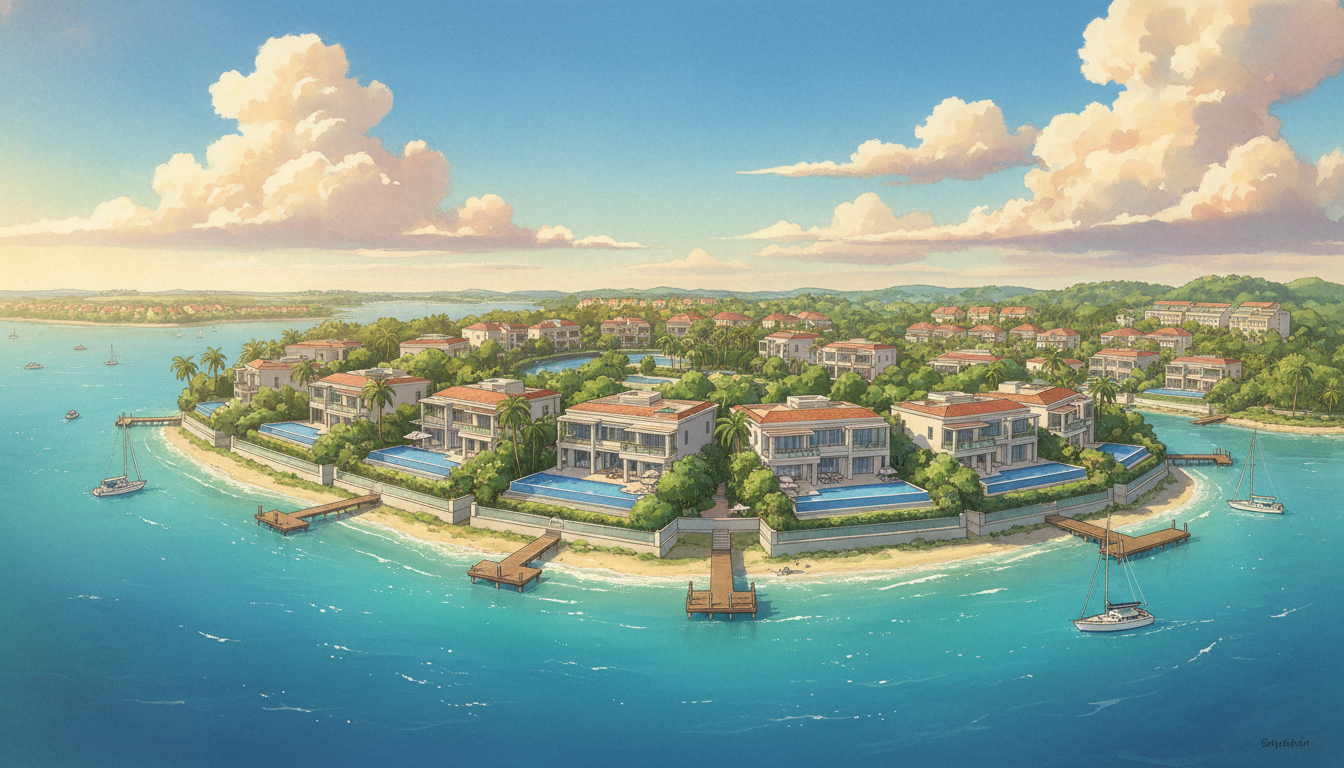
- Landed property on Sentosa Cove – Allowed, but still subject to SLA approval in some cases.[1][3]
Restricted or not allowed for foreigners (non-PR):
- New HDB BTO / SBF flats – Not eligible as owners; foreign spouses can only be essential occupiers.[1]
- Resale HDB flats – Not allowed unless buying with a Singapore Citizen under specific HDB schemes.[4]
- Landed property (terrace, semi-D, bungalow, most strata-landed) – Requires SLA Land Dealings Approval Unit (LDAU) approval and is granted only if you show “exceptional economic contribution”.[1][3][5]
For a deeper breakdown of eligibility by property type, see Types of Properties Foreigners Can Buy in Singapore | Homejourney Types of Properties Foreigners Can Buy in Singapore | Homejourney . Homejourney verifies project data against URA transactions and official guidelines to help you stay within the rules.
2. Understand ABSD, BSD and Nationality-Based Stamp Duty Differences
For foreigners, the biggest extra cost is Additional Buyer’s Stamp Duty (ABSD). On top of normal Buyer’s Stamp Duty (BSD), most foreigners pay a much higher ABSD than Singaporeans and PRs.[1][3][6]
2.1 Foreigner ABSD comparison by nationality
As of 2024–2025, the standard foreigner ABSD rate for residential property is 60% of the purchase price or market value, whichever is higher.[1][3][6] However, there are important ABSD comparison nationality nuances: some nationalities from countries with Free Trade Agreements (FTAs), such as US citizens, enjoy the same ABSD treatment as Singapore Citizens for residential purchases.[6]
For a detailed ABSD comparison nationality table and the latest ABSD rates different countries, refer to Singapore ABSD Rates by Nationality 2025: Definitive Homejourney Guide Singapore ABSD Rates by Nationality 2025: Definitive Homejourney Guide . Homejourney updates this guide as IRAS publishes new cooling measures.
2.2 Quick ABSD vs BSD comparison
For precise stamp duty comparison and scenario planning, use the ABSD Stamp Duty Calculator and Guide (2025) | Homejourney Singapore ABSD Stamp Duty Calculator and Guide (2025) | Homejourney Singapore . This tool lets you test different nationalities, property counts and prices in a safe, transparent way.
Disclaimer: Rates and rules can change with new cooling measures. Always confirm against IRAS and the latest Homejourney resources before committing.
3. Financing as a Foreigner: How Much Can You Borrow?
Singapore does not impose special legal mortgage rules on foreigners, but banks apply their own criteria (income, age, credit profile, property type).[6] You will also need to factor in MAS regulations like Loan-to-Value (LTV) limits and Total Debt Servicing Ratio (TDSR).
3.1 Key Singapore mortgage concepts (simplified)
- LTV (Loan-to-Value) – Maximum % of property price banks can lend. For foreigners, this often caps around 55–75% depending on your profile and number of existing loans (exact limits follow MAS rules and bank risk appetite).
- TDSR – Your total monthly debt (including the new mortgage) generally cannot exceed 55% of gross monthly income (MAS guideline), regardless of nationality.
- CPF usage – Non-PR foreigners cannot use CPF for property purchases. Singapore PRs may use CPF for eligible properties, subject to CPF Board rules.
Because you cannot rely on CPF like many locals, your cash/overseas funds buffer must be larger – especially with 60% ABSD stacked upfront.
Compare bank packages through Homejourney’s mortgage and bank rates tools Bank Rates and read our Financing Options for Foreign Buyers in Singapore | Homejourney Guide Financing Options for Foreign Buyers in Singapore | Homejourney Guide before signing any loan letter of offer.
4. Step-by-Step Property Buying Process for Foreigners
Below is a realistic, ground-level sequence that foreign buyers typically follow in Singapore, from initial planning to key collection. Timelines can vary by project and bank, but this is a safe starting reference.
Step 1: Define budget and check your effective cost after ABSD
- Estimate purchase price range – Use recent URA caveat prices via Homejourney’s projects directory Projects Directory to see what a 2-bedroom condo in, say, Queenstown or Novena costs today.
- Run a foreigner ABSD comparison – Use our ABSD calculator ABSD Stamp Duty Calculator and Guide (2025) | Homejourney Singapore to see how 60% ABSD changes your total budget. If you are a US citizen or from an FTA country, compare both “foreigner ABSD” and “citizen-equivalent ABSD” scenarios to understand your advantage.[6]
- Stress test currency risk – If your income is in USD, EUR, AED, etc., model a 5–10% FX swing, as your loan and taxes will be in SGD.
Step 2: Get in-principle loan approval (IPA)
- Prepare documents: passport, employment pass / work visa, recent payslips, tax returns, bank statements, and any existing property loan documents.
- Approach multiple banks or let Homejourney’s mortgage partners Mortgage Rates source the most suitable package.
- Obtain a written In-Principle Approval (IPA) stating your maximum loan amount and indicative interest rate.
Insider tip: In the CBD and Orchard Road area, many banks’ international desks open around 9:30–10:00am; if you visit in person, going before lunch helps you avoid peak queues from corporate clients.
Step 3: Shortlist safe, suitable properties
Use Homejourney’s property search Property Search with filters for tenure, size, district, and verified listings. Focus on:
- Accessibility
References