For Singapore homeowners, the Singapore SORA Rate Outlook 2026 What Homeowners Should Know: Frequently Asked Questions can be summed up like this: most economists expect SORA to stay relatively low and stable around 2026, with 3M and 6M SORA likely hovering in the low- to mid‑1% range, but there is still uncertainty and your choice of fixed vs floating should depend on your risk profile and time horizon.[1][6][7]
This FAQ builds on Homejourney’s main 2026 interest rate pillar guide Singapore SORA Rate Outlook 2026: What Homeowners Should Know | Homejourney Guid... and focuses on practical, tactical questions Singapore buyers and owners ask when deciding between SORA‑pegged and fixed mortgages.
How is SORA expected to move by 2026?
In plain terms: current projections suggest SORA will likely remain low and range‑bound into 2026, rather than returning to the 3–4% levels seen in 2023–2024.[1][6][7]
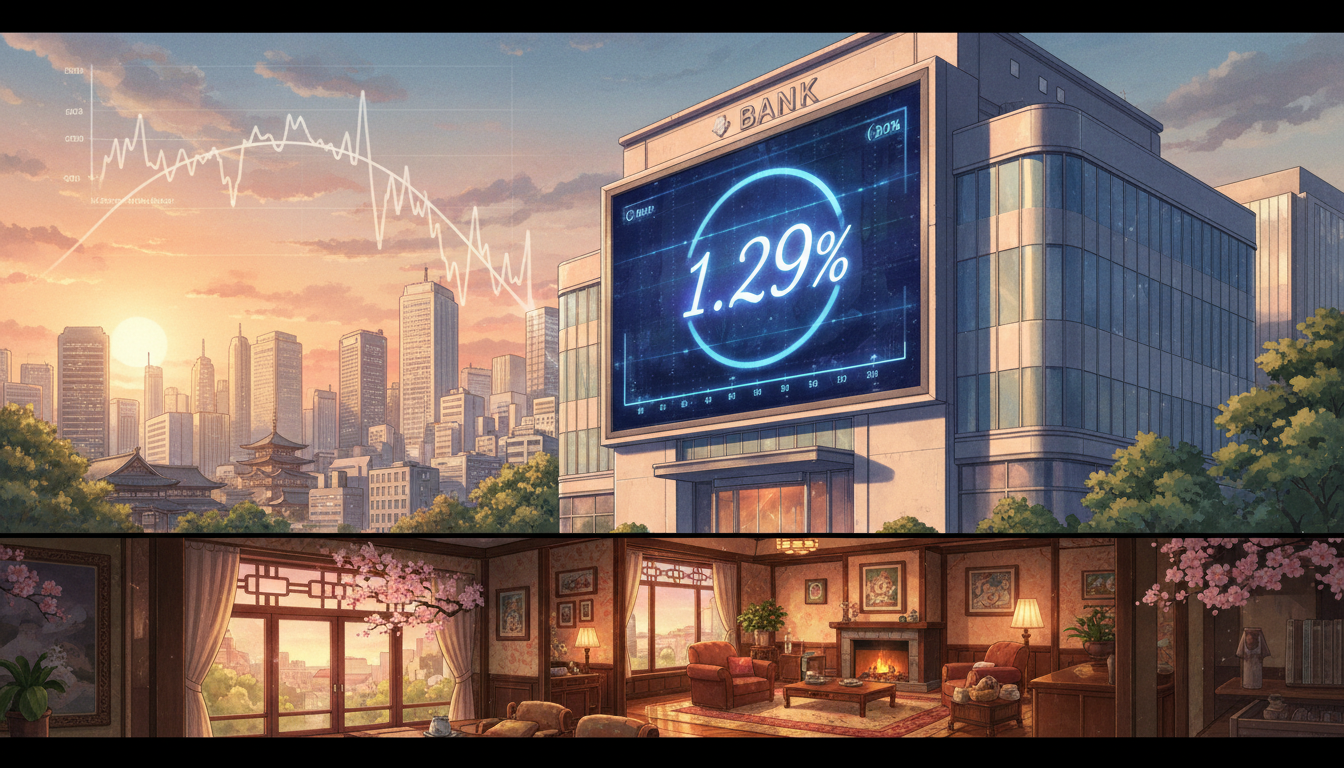
According to macro projections based on Monetary Authority of Singapore (MAS) data, the Singapore Overnight Rate Average (SORA) is expected to trend around 1.0% in 2026 in the long term.[1] Around late 2025, compounded SORA has already fallen to about 1.2–1.3%, its lowest level in roughly three years, and major banks interviewed by Channel NewsAsia note that SORA may have “found a floor”.[6]
Local media reporting on MAS‑linked forecasts indicates that the 3‑month SORA is expected to hover around 1.3–1.4% into late 2025, with the refinancing tailwind potentially extending into 2026 as rates stay relatively benign.[7] That is a very different environment from 2023, when 3M SORA averaged around 3.5%–3.6%.[2][4]
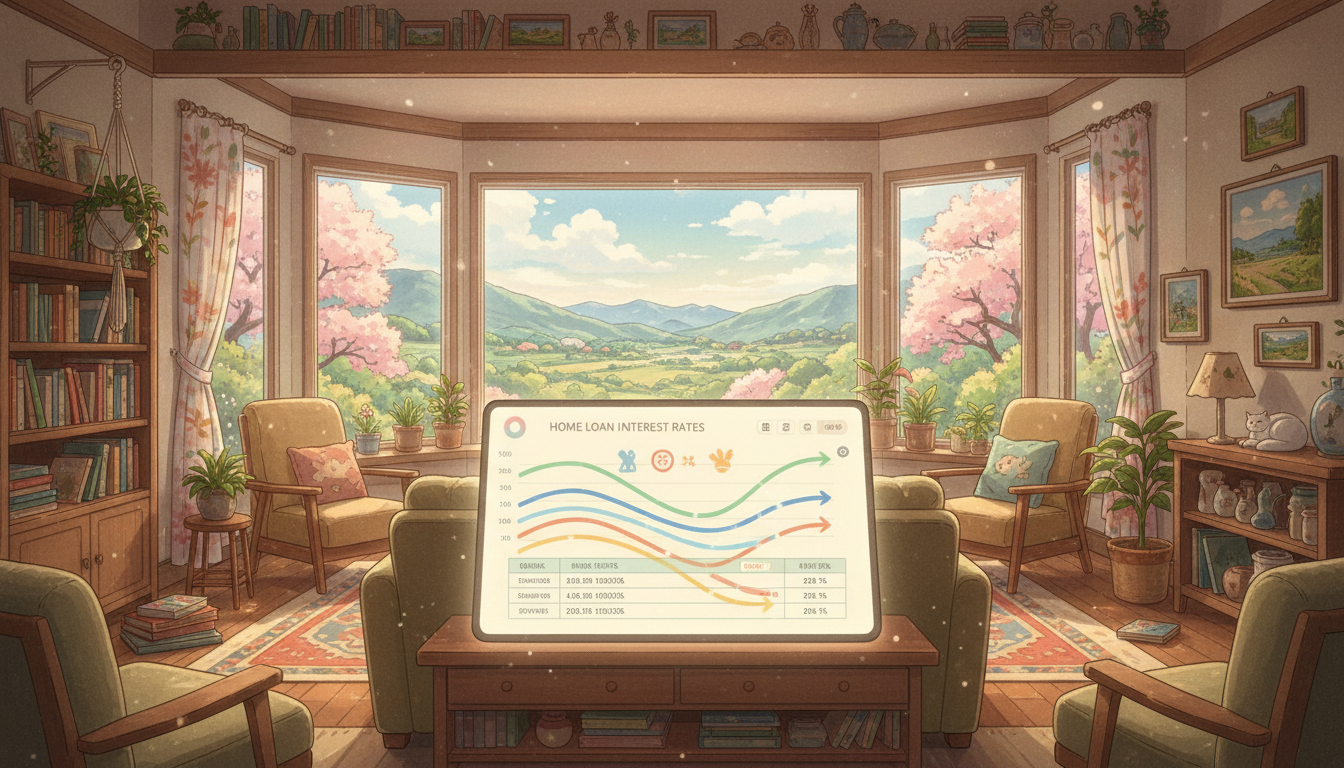
On the ground, this is already visible in bank packages: in late 2025, it is common to see owner‑occupier SORA packages from DBS, OCBC or UOB at roughly 3M SORA + 0.60%–0.80% for new‑to‑bank loans, meaning all‑in rates around the low‑2% range given today’s SORA levels (illustrative, exact packages vary by day and bank).
Key takeaway: for 2026 planning, it is reasonable to expect SORA to stay roughly around the low‑1% area, with home‑loan package rates depending mainly on the bank spread you lock in. But this is a forecast, not a guarantee—global shocks or a sharp rebound in inflation could change the picture.
What exactly is SORA, and how do 3M and 6M SORA work?
Definition for featured snippets: SORA (Singapore Overnight Rate Average) is the volume‑weighted average interest rate of unsecured overnight interbank Singapore dollar transactions, administered by MAS as the key benchmark for Singapore dollar interest rates.[1]
MAS publishes a daily SORA, and from this, banks derive:
- 1M, 3M, 6M compounded SORA – backward‑looking compounded averages over 1, 3 or 6 months, which smooth out daily volatility.
- These compounded rates are then used as the reference rate for SORA‑pegged home loans, plus a fixed spread (for example, 3M SORA + 0.70%).
In day‑to‑day terms for homeowners:
- 3M SORA – your interest rate (and monthly instalment) is reviewed once every 3 months, based on the past 3‑month average.
- 6M SORA – your rate is reviewed once every 6 months, so instalments change less frequently but in larger "steps".
From living in Bishan and handling my own SORA‑pegged loan, the difference is very tangible: with 3M SORA, my instalment changed modestly every quarter during the 2023–2024 hike cycle; friends on 6M SORA in Punggol saw fewer changes but each revision was more noticeable to their monthly cash flow.
3M SORA vs 6M SORA in 2026: Which is safer?
There is no single “safer” choice; it depends on how you manage cash flow and risk.
- 3M SORA
- More responsive to interest rate moves – good if you think rates will continue to drift down in 2025–2026.
- Instalment changes every 3 months – smaller adjustments but more frequent.
- Suitable for buyers in stable jobs who track their finances closely (e.g. young couples in city‑fringe condos like Geylang or Queenstown who can tolerate some variability).
- 6M SORA
- Changes less frequently – better for households that prefer budget predictability over reacting quickly to small rate moves.
- Larger swings when revision happens, so you must be comfortable with a potentially bigger jump every 6 months.
- Common among families in larger HDBs in towns like Sengkang or Jurong, where monthly cash‑flow planning around children’s expenses is crucial.
2026 outlook angle: if you believe SORA will stay low or ease slightly, 3M SORA may help you benefit earlier from any decline. If you’re more concerned about psychological comfort and you don’t want to see your instalment change so often, 6M SORA can be easier to live with.
You can track both 3M and 6M SORA in real time on Homejourney’s bank rates page Bank Rates , which updates daily using bank‑verified figures so you can see the latest benchmarks before choosing a package.
How will SORA levels around 2026 affect my monthly instalments?
For most bank loans, your all‑in mortgage rate is:
All‑in rate = Compounded SORA (1M / 3M / 6M) + Bank spread
Suppose in early 2026:
- 3M SORA is at 1.3%[7]
- Your bank spread is 0.75%
- All‑in rate = 1.3% + 0.75% = 2.05% per year
For a $700,000 loan on a 25‑year tenure for a 4‑room HDB in Tampines:
- At 2.05% interest, your monthly instalment is about $2,975 (approximate).
- If SORA rises to 1.8% (all‑in 2.55%), the instalment would increase to around $3,165.
- The difference is roughly $190 per month.
For a private condo in Pasir Ris with a $1.2 million loan over 30 years:
- At 2.05%, monthly is roughly $4,450.
- At 2.55%, monthly is roughly $4,800.
- That is about $350 per month more.
You can run these scenarios precisely on Homejourney’s mortgage calculator Mortgage Rates or Bank Rates , which lets you plug in loan quantum, tenure, and either SORA‑pegged or fixed rates to see the impact on your cash flow immediately.
SORA vs fixed rates in 2026: which is better for me?
In 2025, fixed packages from major banks like DBS, OCBC, UOB and HSBC have already fallen in tandem with SORA‑linked floating packages, as competition intensifies and SORA hits multi‑year lows.[6] Many homeowners now ask whether they should lock a fixed package through 2026, or stay on SORA.