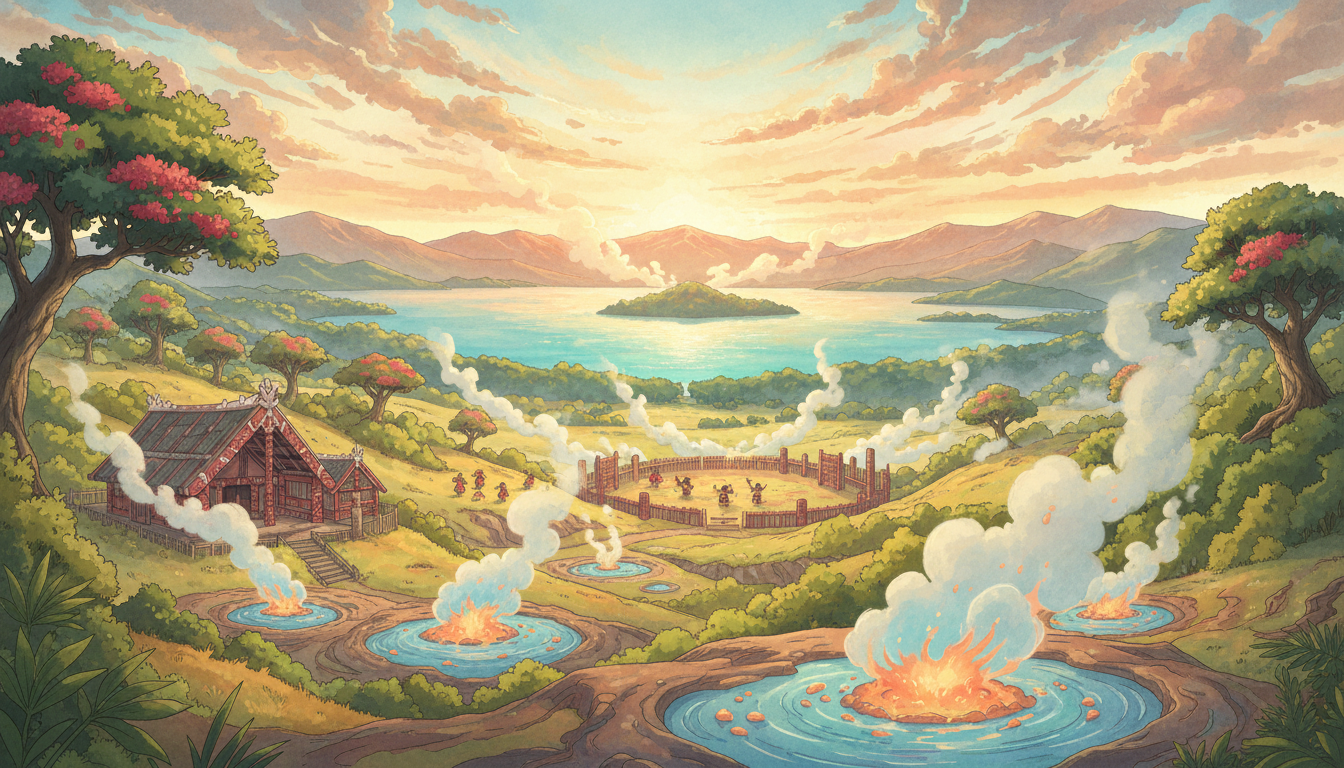
Rotorua New Zealand is one of the few places on earth where you can soak in natural hot springs, watch geysers erupt, and experience living Māori culture in a compact, walkable city. This complete guide from Homejourney is written for Singapore-based travelers, expats, and global investors who want both unforgettable travel and safe, well-researched insights into lifestyle and property opportunities across regions.
Drawing on first-hand visits and verified local sources, we will cover Rotorua’s geothermal Rotorua highlights, Māori culture experiences, hot springs NZ options, Te Puia, practical travel details from Singapore, and how all this connects to Singapore’s trusted property market through Homejourney.
Table of Contents
- 1. Why Visit Rotorua New Zealand
- 2. Best Time to Visit Rotorua
- 3. Getting to Rotorua from Singapore
- 4. Currency, Costs & Money Tips
- 5. Top Geothermal Wonders in Rotorua
- 6. Māori Culture in Rotorua: How to Experience it Respectfully
- 7. Hot Springs & Spa Experiences in Rotorua
- 8. Other Top Attractions & Local Experiences
- 9. Practical Travel Tips & Safety for Singapore Travelers
- 10. Where to Stay in Rotorua: Areas & Hotels
- 11. Food, Dining & Local Flavours
- 12. Suggested 3-Day & 5-Day Rotorua Itineraries
- 13. Best Day Trips from Rotorua
- 14. Rotorua & Singapore: Travel, Lifestyle & Property Link
- 15. FAQ: Rotorua, Geothermal Attractions & Māori Culture
1. Why Visit Rotorua New Zealand
Rotorua sits in New Zealand’s North Island and is famous for its steaming vents, bubbling mud pools, and colourful sinter terraces that create a dramatic geothermal landscape.[3] It is one of the most accessible places for visitors to see geysers, hot pools, and Māori cultural performances in a single day, making it ideal for Singapore travelers with limited leave.
Unlike many other destinations, geothermal Rotorua offers:
- World-class geothermal parks like Wai-O-Tapu, Waimangu, Orakei Korako, Hell’s Gate and Kuirau Park.[1][3][6]
- Authentic Māori culture at places such as Te Puia, Ōhinemutu Māori Village and various evening cultural experiences.[3][7]
- Compact city layout where many restaurants, lakefront walks and some geothermal features are within 10–20 minutes’ walk of most central hotels.
- Year-round hot springs NZ experiences, from luxury spas to free foot pools.
For Singaporeans used to dense urban living, Rotorua’s combination of small-city convenience and dramatic nature feels both accessible and refreshing. Many Singapore-based expats and investors also stop in Rotorua when doing a broader New Zealand inspection trip, then fly on to or from Singapore.
2. Best Time to Visit Rotorua
Rotorua is a true year-round destination thanks to its hot springs and temperate climate.
2.1 Seasons at a Glance
| Season (NZ) | Months | What It’s Like | Who It Suits |
|---|---|---|---|
| Summer | Dec–Feb | Warm, busy, great for lakes, zipline & biking. | Families, school holidays, first-time visitors. |
| Autumn | Mar–May | Mild, fewer crowds, beautiful colours. | Couples, photographers, value-seekers. |
| Winter | Jun–Aug | Cooler, perfect for hot springs & spas. | Spa lovers, budget travellers, honeymooners. |
| Spring | Sep–Nov | Cool–mild, fresh greenery, variable weather. | Hikers, outdoor enthusiasts. |
As someone based in Singapore who has visited Rotorua across different seasons, my personal recommendation for Singapore travelers is late March to May or September to November. Daytime temperatures are comfortable if you’re used to Singapore’s heat, and accommodation prices often sit below peak summer levels.
3. Getting to Rotorua from Singapore
3.1 Flight Routes
There are no direct flights from Singapore to Rotorua. The usual options are:
- Singapore (SIN) → Auckland (AKL) → Rotorua (ROT) via domestic flight.
- Singapore (SIN) → Auckland (AKL) → Rotorua by self-drive or bus (about 3 hours’ drive).
From Auckland Airport, many Singaporean families I’ve worked with prefer to rent a car and drive, as it allows a flexible stop in Hamilton or Matamata (Hobbiton). Those used to Singapore’s MRT will find the drive simple: it’s largely a single highway, and New Zealand signage is clear.
3.2 Getting Around Rotorua
- On foot: Central Rotorua is walkable – many hotels, the lakefront, Government Gardens and Kuirau Park are within a 10–20 minute stroll.[3]
- Rental car: Recommended if you want to visit multiple geothermal parks (e.g. Wai-O-Tapu, Waimangu, Orakei Korako) in a day.[1][3][6]
- Local shuttles & tours: Many geothermal Rotorua attractions provide shuttle information or transfers from the city.[1][3]
4. Currency, Costs & Money Tips
Rotorua uses the New Zealand Dollar (NZD). Singapore-based travelers often benchmark costs against SGD, and prices in Rotorua are generally similar to or slightly lower than central Singapore for midrange meals and activities.
4.1 Typical Costs for Rotorua Highlights
| Item / Experience | Approx. Price (NZD) | Notes |
|---|---|---|
| Wai-O-Tapu Thermal Wonderland entry | From ~NZ$35 adult | Colourful geothermal park with Champagne Pool and mud pools.[1][6] |
| Hell’s Gate geothermal walk | From ~NZ$35 adult | Mud volcano, hot waterfall, mud spa options at extra cost.[1][4][5] |
| Te Puia day entry with geothermal & culture | Varies by package | Includes Pohutu Geyser, Māori arts school, cultural elements.[7] |
| Midrange restaurant meal | NZ$25–40 | Main & soft drink; similar to midrange Singapore cafes. |
| Central hotel (midrange) | NZ$160–260 per night | Varies by season and advance booking. |
When you later explore Singapore property with Homejourney, our platform supports multi-currency views – including NZD conversions – to help Rotorua-based and New Zealand investors assess Singapore housing budgets in familiar terms.Bank Rates Property Search
5. Top Geothermal Wonders in Rotorua
Rotorua’s geothermal areas are the core of this destination. Attractions can be grouped into city-based sites and out-of-town parks.
5.1 Kuirau Park – Free Geothermal Rotorua Taster
Kuirau Park is New Zealand’s only free public geothermal park, walking distance from Rotorua’s CBD.[1][3] You’ll see boiling mud pools, steaming vents and fenced-off areas where eruptions occurred in the past. Local advice: stay strictly on marked paths – there have been serious accidents when people stepped over barriers into unstable ground.[1]
From a Singapore safety mindset, Kuirau Park is a reminder that geothermal landscapes require the same caution you’d use around MRT construction zones or deep drains at home.
5.2 Te Puia – Geysers, Māori Culture & Te Puia Restaurant
Te Puia is Rotorua’s flagship combination of geothermal Rotorua features and Māori culture.[7] Highlights include:
- Pohutu Geyser – one of the most famous geysers, regularly erupting with impressive plumes.[7]
- Bubbling mud pools and steaming terraces within the geothermal valley.[7]
- The New Zealand Māori Arts & Crafts Institute, preserving carving, weaving and other traditional skills.[7]
- Kiwi conservation house, where you may see New Zealand’s iconic nocturnal bird.[7]
Te Puia is ideal if you have limited time and want both geothermal and cultural experiences in one half-day visit. Singapore families often combine Te Puia in the morning with an afternoon lakefront walk and dinner in town.
5.3 Wai-O-Tapu Thermal Wonderland – Colour & Contrast
Wai-O-Tapu Thermal Wonderland is one of New Zealand’s most colourful geothermal areas, famous for vivid pools like Champagne Pool and Devil’s Bath, and large mud pools.[1][6] Trails are well-marked and take about 1–1.5 hours depending on how many loops you walk.[1][6]
Located about 30 minutes’ drive south of Rotorua, Wai-O-Tapu works well as a half-day trip. Compared to the tighter urban environment of Singapore, the wide open boardwalks and strong sulphur smell are a big change – pack a light scarf if anyone in the family is sensitive to odours.
5.4 Waimangu Volcanic Valley – Youngest Geothermal System
Waimangu Volcanic Valley, created after the 1886 Mount Tarawera eruption, is recognised as the world’s youngest hydrothermal system fully formed in historical times.[1] Visitors walk through a valley of hot lakes, steaming cliffs and features like Frying Pan Lake and Inferno Crater, with optional boat cruises on Lake Rotomahana.[1][3]
Expect around 1.5–3 hours, depending on whether you take the shuttle back up or walk the full route. For Singapore families used to Bukit Timah or MacRitchie hikes, Waimangu feels like a more dramatic version with geothermal features.
5.5 Orakei Korako – The Hidden Valley
Orakei Korako Cave & Thermal Park, about 45 minutes south of Rotorua, is often called a “hidden valley”.[1][2][3] Access involves a short boat ride across a lake, then walking tracks past geysers, hot springs, mud pools and the Aladdin’s Cave feature.[1][2]
It feels more secluded than other parks and is a good choice if you prefer fewer crowds. Singapore travelers who enjoy quieter corners of New Zealand often combine Orakei Korako with Taupō in a single driving day.
5.6 Hell’s Gate – Mud Volcano & Mud Spa
Hell’s Gate is Rotorua’s most active geothermal reserve and includes features like a mud volcano, hot waterfall and land coral formations.[1][3][4] It is also home to New Zealand’s only outdoor mud bath complex, long used by Māori for therapeutic soaking.[4][5]
A typical visit includes a self-guided geothermal walk, followed by optional mud bath and sulphur spa experiences.[4][5] For Singapore visitors familiar with spa culture in places like Bintan or Batam, Hell’s Gate offers a very different, more elemental type of wellness rooted in the landscape.
6. Māori Culture in Rotorua: How to Experience it Respectfully
Rotorua is one of the strongest centres of Māori culture in New Zealand. For Singaporeans used to multi-ethnic harmony and cultural respect, engaging with Māori traditions can feel both familiar and new.
6.1 Key Places for Māori Culture
- Te Puia: Combines geothermal landscapes with Māori cultural presentations, traditional arts, and architecture.[7]
- Ōhinemutu Māori Village: A living village on the shores of Lake Rotorua where geothermal steam rises between houses and meeting grounds.[3]
- Cultural dinner experiences: Many local operators offer traditional hāngi meals (food cooked using heated rocks and steam) and performances.