Life in Singapore for China Expats: Your Complete 2026 Relocation Guide
Singapore has emerged as one of Asia's most attractive destinations for Chinese professionals and entrepreneurs, with the expat community from mainland China, Hong Kong, and Taiwan now representing a significant portion of the city-state's population. Whether you're relocating for career advancement, business opportunities, or lifestyle reasons, understanding what life in Singapore for China expats entails is essential for a smooth transition. This guide provides actionable insights to help you navigate relocation, find the right property, and build a fulfilling life in Singapore.
Why China Expats Choose Singapore
Singapore's appeal to Chinese professionals stems from several compelling factors. The city-state offers a stable business environment, English-speaking workforce, and strategic location for regional operations. For many China expats, Singapore represents a bridge between Asian markets and Western business practices, making it ideal for those managing cross-border ventures or seeking international career growth.
The cultural familiarity is another significant draw. Singapore's substantial Chinese population—comprising over 74% of residents—means you'll find established communities, authentic cuisine, and cultural celebrations that feel familiar while maintaining Singapore's unique multicultural identity. Mandarin Chinese is widely spoken, though English remains the primary business and official language.
Beyond professional opportunities, China expats are attracted to Singapore's exceptional quality of life. The city ranks consistently high for safety, healthcare, education, and infrastructure. For families, the combination of world-class schools, efficient public transportation, and green spaces creates an environment where children thrive while parents advance their careers.
Visa and Work Permit Options for China Expats
Before relocating to Singapore, you'll need to secure appropriate visa status. Singapore offers several pathways for Chinese professionals:
- Employment Pass (EP): For professionals earning above S$5,000 monthly with relevant qualifications. This is the most common route for China expats in professional roles.
- Tech.Pass: Designed for technology experts and specialists, offering flexible salary requirements for those with significant experience.
- EntrePass: For entrepreneurs establishing businesses in Singapore, requiring a minimum investment and business plan approval.
- Dependent Pass: Available for family members of EP or EntrePass holders, allowing spouses and children to reside with the primary visa holder.
- Long-Term Visit Pass: For those not yet employed but planning to establish residency, valid for up to two years.
The visa application process typically takes 1-2 weeks for Employment Passes. Your employer usually handles the paperwork, though you should verify all documents are accurate. Processing times can extend during peak periods, so plan accordingly if you have a specific start date.
Understanding the Cost of Living for China Expats in Singapore
Singapore's cost of living varies significantly based on lifestyle choices and location. For a single expat, monthly expenses excluding rent typically range from S$1,464 to S$1,482, while families of four should budget approximately S$5,374 to S$5,433 monthly for non-housing expenses.[1][2] However, housing costs substantially increase your total budget.
Housing Costs: This represents your largest expense. Rental prices for expats range considerably:[1] one-bedroom apartments cost S$2,000 to S$5,000 monthly, while three-bedroom units range from S$4,000 to S$10,000. In premium areas like the Core Central Region, expect S$3,500 to S$7,500 for one-bedroom apartments.[1] A comfortable lifestyle for a single expat typically requires budgeting S$5,000 to S$6,000 monthly when combining housing and living expenses.[3]
Other Living Expenses: Food costs depend on your dining habits. Eating at hawker centres costs S$3 to S$8 per meal, while mid-range restaurants charge S$15 to S$30. Groceries for home cooking average S$200 monthly for a single person. Utilities including electricity, water, and gas range from S$140 to S$300 monthly, with air conditioning significantly impacting electricity bills in Singapore's tropical climate.[1]
Transportation is relatively affordable. A monthly public transport pass costs approximately S$128, and travel time across the entire island rarely exceeds 1.5 hours via the efficient MRT and bus network.[3] If you prefer ride-sharing or occasional taxis, budget an additional S$100 to S$200 monthly.
Property Options for China Expats in Singapore
Understanding Singapore's property market is crucial for China expats considering long-term settlement or investment. Unlike citizens and permanent residents, foreigners face specific restrictions and additional costs.
Property Types Available to Foreigners: Expats can purchase private condominiums and landed properties (houses, terraces, semi-detached homes) without restrictions. However, Housing Development Board (HDB) flats—the most affordable housing option—are exclusively for Singapore citizens and permanent residents.[1] This significantly limits affordable ownership options for expats.
Additional Buyer Stamp Duty (ABSD): Foreigners purchasing property in Singapore must pay ABSD on top of standard stamp duty. Currently, ABSD is 25% of the property's purchase price for most foreign buyers, making property acquisition substantially more expensive than for local residents. For a S$1.5 million condominium, ABSD alone would cost S$375,000—a significant investment consideration.
Current Market Prices: The median property price in Singapore is approximately S$1,594,600, though this varies dramatically by location.[1] Condominiums in the Core Central Region (Marina Bay, Orchard, Raffles Place) command average prices around S$2,947,829.[1] More affordable options exist in mature estates like Tiong Bahru, Tanjong Pagar, or emerging areas like Jurong East, where prices may range from S$800,000 to S$1,200,000.
For China expats, the rental market often proves more practical than purchase. Renting offers flexibility, eliminates ABSD costs, and allows you to test neighborhoods before committing long-term. Many expats rent for their first 1-2 years while exploring Singapore's different areas and understanding their lifestyle preferences.
When searching for properties, Homejourney's Property Search property search platform helps you filter by location, price, and property type, while our Projects directory provides detailed market analysis and project information. For financing questions, our Bank Rates page compares current mortgage rates from Singapore's major banks.
Popular Neighborhoods for China Expats
Orchard: Singapore's premier shopping and business district attracts affluent expats. Properties command premium prices, but the area offers exceptional dining, retail, and nightlife. Excellent MRT connectivity and proximity to international schools make it popular with families.
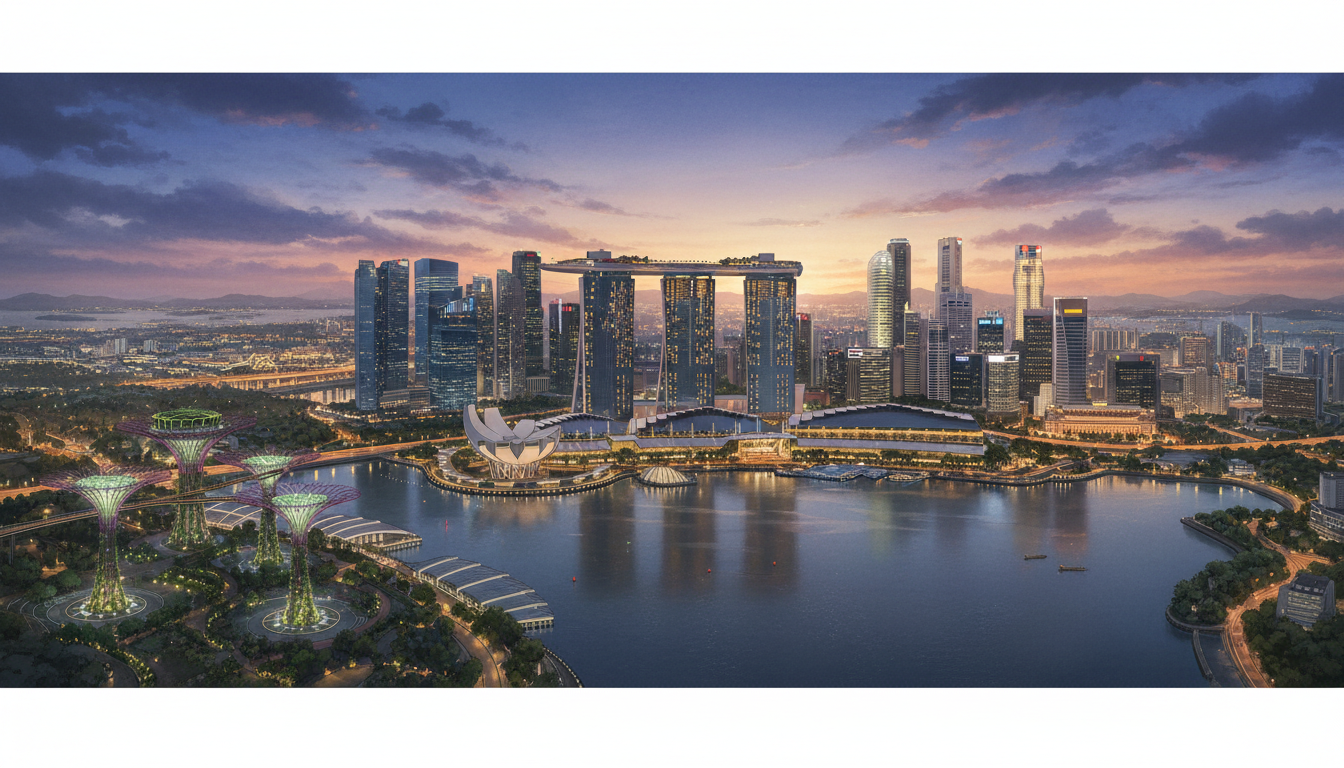
Marina Bay: Home to Singapore's financial district and iconic landmarks, Marina Bay attracts professionals in finance and technology. The area features luxury condominiums with world-class amenities, though prices reflect the premium location.
Tiong Bahru: This historic neighborhood appeals to expats seeking character and authenticity. Trendy cafes, galleries, and restaurants have transformed the area while maintaining its charm. Property prices are more moderate than central areas, and the community has a strong expat presence.
Jurong East: Increasingly popular with younger expats and families, Jurong East offers better value while maintaining good connectivity. The area is undergoing significant development, with new shopping malls, schools, and residential projects attracting a diverse expat community.
Bukit Timah: For those seeking a quieter, more residential environment, Bukit Timah offers landed properties and condominiums surrounded by nature reserves. The neighborhood attracts families and those prioritizing space and greenery over urban convenience.
Banking and Financial Setup for China Expats
Opening a bank account is one of your first priorities upon arrival. Major banks including DBS, OCBC, and UOB offer accounts for expats, though requirements vary. You'll typically need your Employment Pass, passport, proof of address, and an employment letter. Processing usually takes 1-2 weeks.
For remittances to China, Singapore banks offer competitive rates. Many China expats use services like Wise (formerly TransferWise) or bank-to-bank transfers for regular family support or business transactions. Compare rates carefully, as fees and exchange rates vary significantly between providers.
Tax residency is important to understand. If you spend more than 183 days in Singapore during a tax year, you're considered a resident for tax purposes and must file tax returns. Singapore's progressive tax system is generally favorable compared to many countries, with top personal income tax rates around 22%.
Healthcare and Insurance Considerations
Singapore's healthcare system ranks among Asia's best, with modern facilities and English-speaking medical professionals. Most employers provide comprehensive health insurance as part of employment packages. If self-employed or your employer doesn't provide coverage, private insurance is essential and relatively affordable compared to Western countries.
For routine care, visit polyclinics (government-subsidized clinics) for affordable treatment, or private clinics for more convenience. Dental and optical care typically require out-of-pocket payment unless covered by your insurance plan.
Education Options for Expat Families
Singapore offers excellent educational options for expat children. International schools including Singapore American School, United World College, and Tanglin Trust School follow international curricula and attract families from around the world. Fees range from S$20,000 to S$50,000 annually depending on the school and grade level.
Some China expat families choose schools with bilingual Chinese-English programs, allowing children to maintain language skills while receiving international education. Research schools early, as popular institutions have waiting lists and competitive admissions processes.
Building Your China Expat Community in Singapore
Singapore's established Chinese expat community makes integration straightforward. Professional associations, business networks, and social groups connect expats with similar backgrounds and interests. WeChat remains the primary communication platform for the Chinese community, with numerous group chats organized by profession, location, and interests.
Cultural organizations celebrate Chinese festivals including Chinese New Year, Mid-Autumn Festival, and Dragon Boat Festival. These events provide opportunities to maintain cultural connections while meeting other expats and local residents. Many temples and cultural centers throughout Singapore offer classes in traditional arts, martial arts, and language.
Professional networks are particularly valuable for career development. Chambers of Commerce, industry associations, and business clubs facilitate networking and business opportunities. Many multinational companies with significant China operations maintain Singapore headquarters, creating natural professional communities for expats.
Maintaining Connections with China
Singapore's strategic location makes maintaining connections with China straightforward. Direct flights to major Chinese cities (Shanghai, Beijing, Guangzhou, Shenzhen) operate multiple times daily, with flight times typically 4-6 hours. Budget airlines and full-service carriers offer competitive pricing for frequent travelers.
For business purposes, Singapore's business-friendly environment and tax treaties with China facilitate cross-border transactions. Many China expats establish regional headquarters or representative offices in Singapore to manage operations across Southeast Asia and China.
Transportation and Getting Around
Singapore's public transportation system is efficient, affordable, and English-friendly. The MRT (Mass Rapid Transit) connects all major areas, with trains operating from 5:30 AM to midnight. A stored-value card (EZ-Link) costs S$12 and works across MRT, buses, and taxis. Monthly passes provide unlimited travel for S$128.
Buses complement the MRT network, covering areas not served by trains. Ride-sharing apps including Grab and Gojek offer convenient alternatives, typically costing S$5 to S$15 for most trips. Many expats use these apps as their primary transportation, especially for late-night travel when MRT service ends.
If you plan to drive, obtaining a Singapore driving license requires passing a theory test and practical driving test. Alternatively, you can drive on your International Driving Permit for up to 12 months. However, vehicle ownership is expensive due to high import duties and mandatory insurance, making public transportation or ride-sharing more economical for most expats.
Frequently Asked Questions About Life in Singapore for China Expats
Do I need to speak English fluently to live in Singapore as a China expat?
While Mandarin Chinese is widely spoken in Singapore, English is the official language and primary medium for business, education, and government services. For professional roles, fluent English is typically required. However, many daily activities—shopping, dining, entertainment—can be conducted entirely in Mandarin within Singapore's Chinese communities. Most expats find their English improves quickly through work and daily interactions.
Can I buy property in Singapore as a foreigner?
Yes, you can purchase private condominiums and landed properties without restrictions. However, you must pay 25% Additional Buyer Stamp Duty (ABSD) on top of purchase price, significantly increasing costs. HDB flats are exclusively for citizens and permanent residents. Many expats rent initially to understand neighborhoods before committing to property purchase.
How much should I budget monthly for living in Singapore?
A comfortable lifestyle for a single expat typically requires S$5,000 to S$6,000 monthly, including housing. This breaks down to approximately S$2,500 to S$4,000 for rent, S$500 to S$800 for food, S$150 to S$300 for utilities, and S$200 to S$400 for transportation and entertainment. Families should budget S$10,000 to S$15,000 monthly depending on location and lifestyle.
What are the best neighborhoods for China expats?
Popular areas include Orchard for premium urban living, Marina Bay for financial professionals, Tiong Bahru for character and community, Jurong East for value and development, and Bukit Timah for families seeking residential tranquility. Each neighborhood offers distinct advantages—research based on your priorities regarding commute, schools, lifestyle, and budget.