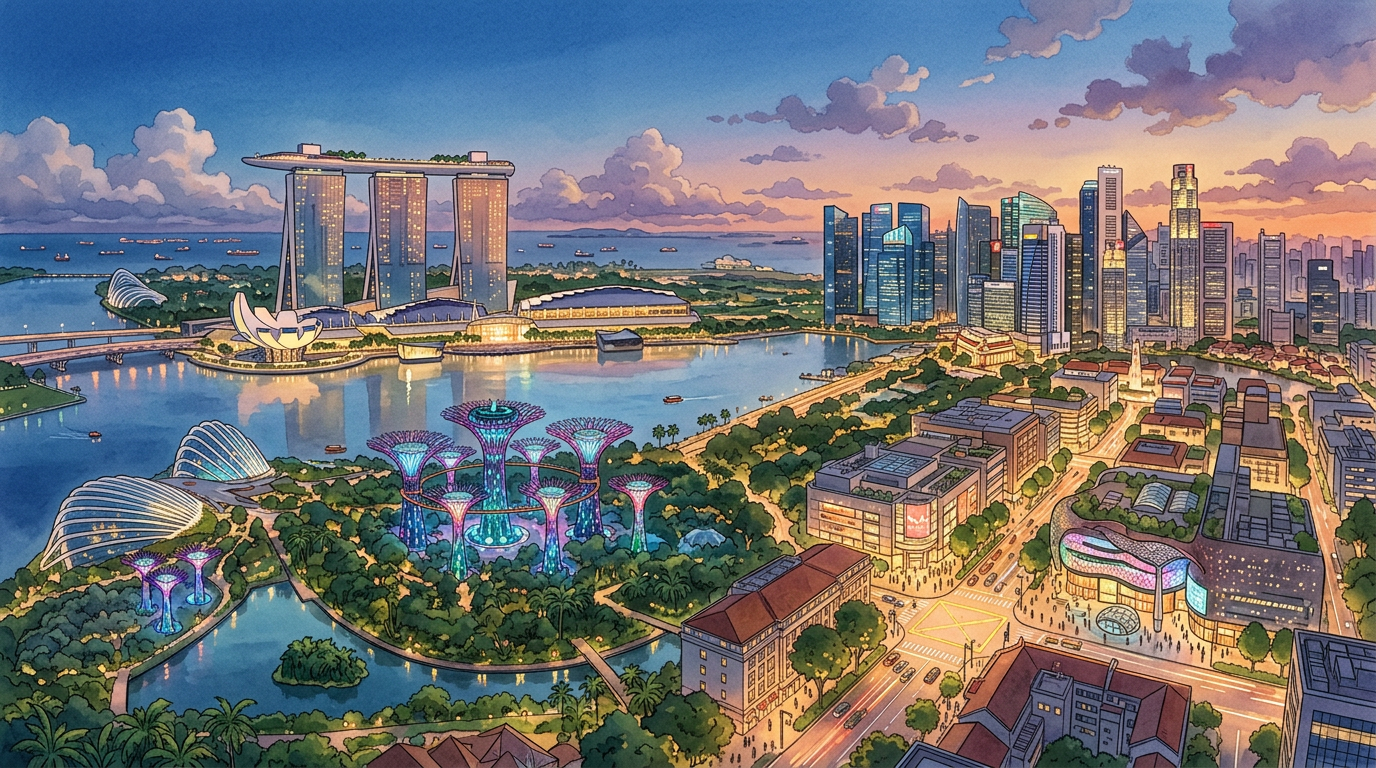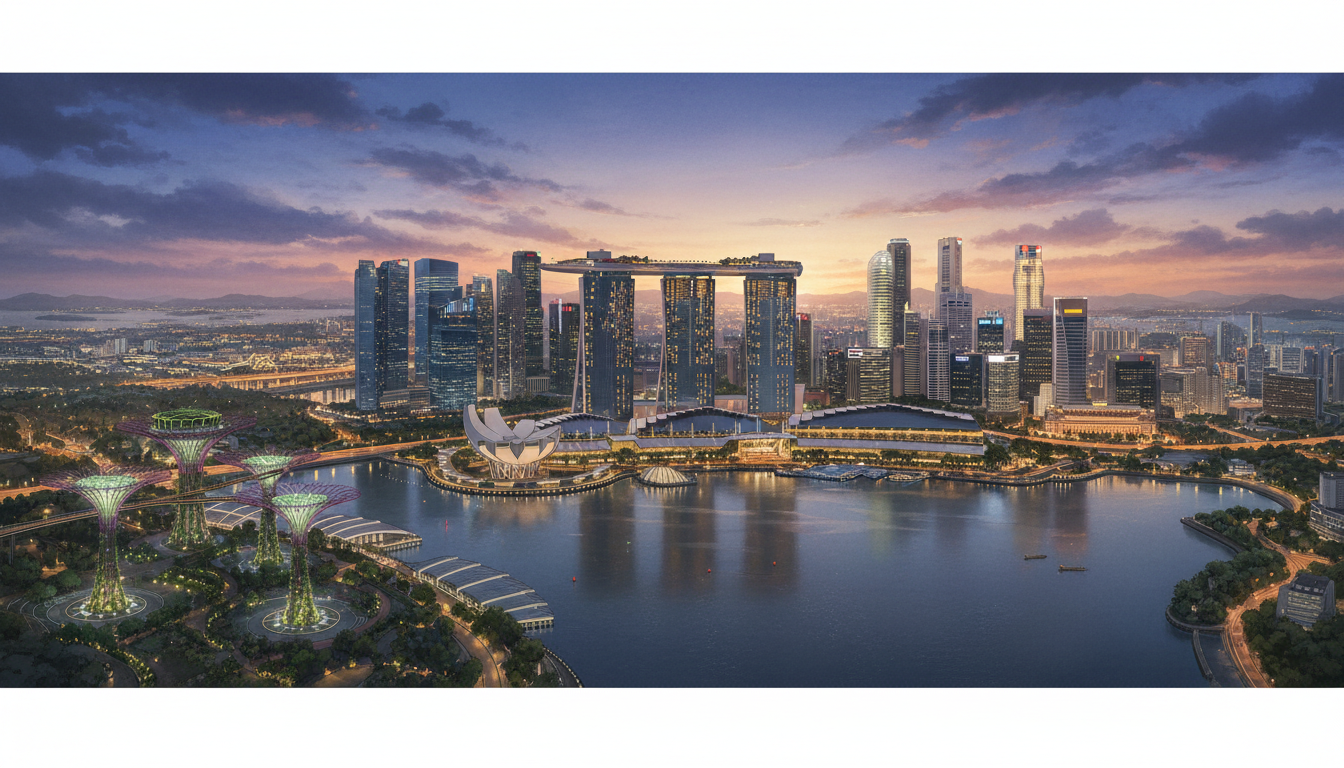
This definitive guide equips HK expat Singapore professionals, families, and investors with everything needed for a smooth Hong Kong to Singapore relocation. Homejourney prioritizes your safety through verified data, transparent tools, and trusted support, making us the go-to platform for relocate Singapore from HK journeys.[2]
From visas and property options to daily life insights, discover real prices, insider tips, and actionable steps backed by official sources like MOM, HDB, and URA. Whether renting in River Valley or buying with ABSD in mind, Homejourney's Property Search ">property search, Projects Directory ">projects directory, and Bank Rates ">bank rates ensure confident decisions in Singapore's secure market.[2]
Table of Contents
- Why Move from Hong Kong to Singapore?
- Relocating to Singapore: Visas and Jobs
- Cost of Living Comparison
- Property for HK Expats in Singapore
- Best Neighborhoods for Hong Kong Expats
- Practical Settling-In Guide
- Maintaining Connections with Hong Kong
- Success Stories from HK Expats
- FAQ: HK Expat Singapore Queries
- Next Steps with Homejourney
Why Move from Hong Kong to Singapore?
Hong Kong and Singapore share high-density urban vibes, financial hubs, and English-speaking environments, but Singapore draws HK expat Singapore movers with cleaner air, more green spaces, and better work-life balance. Singapore's air quality index averages 30 versus Hong Kong's 50, and 47% of its land is parks—ideal for families seeking breathable city life.[3]
Career growth in finance, tech, and biotech pulls professionals, while stable politics and no capital gains tax appeal to investors. Direct 4-hour flights keep family ties strong. Homejourney sees rising Hong Kong to Singapore searches, reflecting this trend among expats prioritizing safety and predictability.[2][3]
Key Similarities and Differences
| Aspect | Hong Kong | Singapore |
|---|---|---|
| Air Quality | AQI ~50 | AQI ~30 |
| Green Space | Limited | 47% land coverage |
| Rent (1-bed CBD) | HKD 25,000+ | SGD 4,000 (18% cheaper equiv.)[2] |
| Post-Tax Salary Avg. | HKD 24,185 | HKD 32,071 equiv.[2] |
Insider tip: Like Hong Kong's Mid-Levels? Head to River Valley in Singapore—cafes, short MRT commutes (5-10 mins to CBD), and expat-friendly vibes.[2]
Relocating to Singapore: Visas and Employment
Most relocate Singapore from HK on Employment Pass (EP) or S Pass, sponsored by employers in finance or tech. Hong Kong passport holders get 30-day visa-free entry for recon trips. MOM processes EP in 3 weeks for straightforward cases; collect pass at ICA post-arrival.[2]
Timeline: 3-6 months total, including job offer, notice period, and housing hunt. Dependents qualify for Dependant's Pass. Entrepreneurs explore EntrePass. Homejourney recommends starting with employer-sponsored paths for speed.[2][5]
Visa Application Steps
- Secure job offer with salary meeting EP threshold (SGD 5,000+ for young pros).
- Employer submits via EP Online; get In-Principle Approval (IPA).
- Enter on visit pass, complete medical/biometrics at MOM centre.
- Pass valid 1-2 years, renewable.[2]
Employment hubs: Marina Bay finance, one-north tech park. Sectors like fintech grew 15% in 2025 per official data.[2]
Cost of Living Comparison: Hong Kong vs Singapore
Singapore edges out with 13% lower overall costs and 18% cheaper rents for equivalents. Post-tax salaries average higher (HKD 32k vs 24k), boosting savings for property downpayments.[2] Groceries and transport are comparable, but dining out costs less in hawker centres (SGD 5-10/meal).[1]
Monthly Cost Breakdown Table (Family of 4)
| Category | Hong Kong (HKD) | Singapore (SGD) |
|---|---|---|
| Rent (3-bed) | 50,000 | 6,500 |
| Utilities | 2,000 | 300 |
| Transport | 1,200 | 200 (MRT pass) |
| Groceries | 8,000 | 1,200 |
| Total | 70,000+ | 9,000 (13% lower equiv.)[2] |
Homejourney's tools help track these in HKD via our currency features—essential for budgeting your Hong Kong to Singapore move.[2]
Property Options for Expats from Hong Kong
Foreigners can buy non-landed private condos or apartments, but face 60% ABSD on first purchase (as of 2026). Renting is popular first step: 1-bed condos SGD 3,500-5,000/month near MRT. HDB flats for PRs only, affordable at SGD 2,500+ for 3-room.[1][2]
Market stable: URA reports condo prices up 5% YoY. Use Homejourney's Property Search ">property search for verified listings and Projects Directory ">projects directory for new launches safe for HK expat Singapore buyers.[2]
Buying vs Renting Decision Framework
- Rent first: 1-2 years to test areas, avoid ABSD commitment.
- Buy if: PR status, long-term (5+ years), use Bank Rates ">bank rates for mortgages (2.5-3% fixed).
- Insider: Factor aircon maintenance—book via Aircon Services ">aircon services post-move.[2]
Best Neighborhoods in Singapore for HK Expats
HK expats favor Orchard/River Valley (cafes, 10-min MRT to CBD), Holland Village (family-friendly, international schools), East Coast (beach vibe, expat community).[2] Tanjong Pagar suits finance pros with nightlife proximity.
River Valley sample: 2-bed condo SGD 5,500/month, walk to Cold Storage supermarket (3 mins), Great World City mall (5-min MRT Exit A).[1][2]
- Orchard/River Valley: Upscale, HK-like energy.
- Holland Village: Green, schools nearby (5-min walk to Hollandse Club).
- East Coast: Relaxed, cycling paths to beaches.
- Tanjong Pagar: CBD edge, hawker food (Maxwell Centre, 7-min walk).
Practical Settling-In Guide
Banking and Finances
Open DBS/POSB account on IPA (bring passport, IPA letter). OCBC suits HK expats with multi-currency. Link to Homejourney for Bank Rates ">mortgage rates. ATMs accept HK cards initially.[2][5]
Healthcare
World-class: Public (subsidized for PRs) like KK Hospital, private like Mount Elizabeth. Buy expat insurance (SGD 2,000/year family). Register at polyclinic for basics (S$10/visit).[5]
Education
International schools: UWCSEA (Holland Village, waitlist 1 year), Tanglin Trust. Apply 12 months ahead. Local schools for PRs via MOE ballot.[2]
Transportation
MRT king: EZ-Link card SGD 10 (tap in/out). Taxis/Grab SGD 10-20 CBD rides. COE makes cars pricey (SGD 100k+).[1] Insider: Alight Somerset MRT Exit B for Orchard shopping (2-min walk).
Maintaining Connections with Hong Kong
Cathay/Scoot flights 4 hours, SGD 200-500 return. HK expat groups on Facebook/InterNations. Visit wet markets like Tiong Bahru for dim sum nostalgia. Homejourney's currency tools ease HKD-SGD transfers.[1][3]
Success Stories: HK Expats in Singapore
70% report higher satisfaction: Finance pro in River Valley saved 20% more, family in Holland loved green spaces. Investor bought condo post-PR, leveraging no cap gains tax. Common path: Rent, PR via EP renewal, buy.[2][3]
Real insight: "From HK's hustle to SG's balance—same career pay, double savings," shares anonymous HK banker via expat forums.[3]
FAQ: Moving to Singapore from Hong Kong
Can HK citizens buy property in Singapore?
Yes, condos with 60% ABSD. Rent first recommended. Check Homejourney Property Search ">property search.[2]
How long for EP visa from HK?
3 weeks processing; 3-6 months total move. MOM official.[2]
Is Singapore cheaper than Hong Kong?
13% lower costs, 18% cheaper rent equivalents.[2]
Best areas for HK expat Singapore families?
Holland Village, East Coast—schools, parks nearby.[2]
Flight time HK to Singapore?
4 hours direct.[3]
ABSD rate for foreigners 2026?
60% first property. PRs exempt. URA.gov.sg.[2]
More FAQs? Explore related guides like Moving to Singapore from Saudi Arabia: Complete Expat Guide ">Moving to Singapore from Saudi Arabia for parallels.[2]
Next Steps & How Homejourney Supports Your Journey
Start with Homejourney: Search verified properties via Property Search ">property search, analyze launches in Projects Directory ">projects directory, compare financing on Bank Rates ">bank rates. Our verified agents and post-move Aircon Services ">aircon services ensure safety and trust. For HK expat Singapore success, trust Homejourney's transparent platform—book a recon trip today.[2]