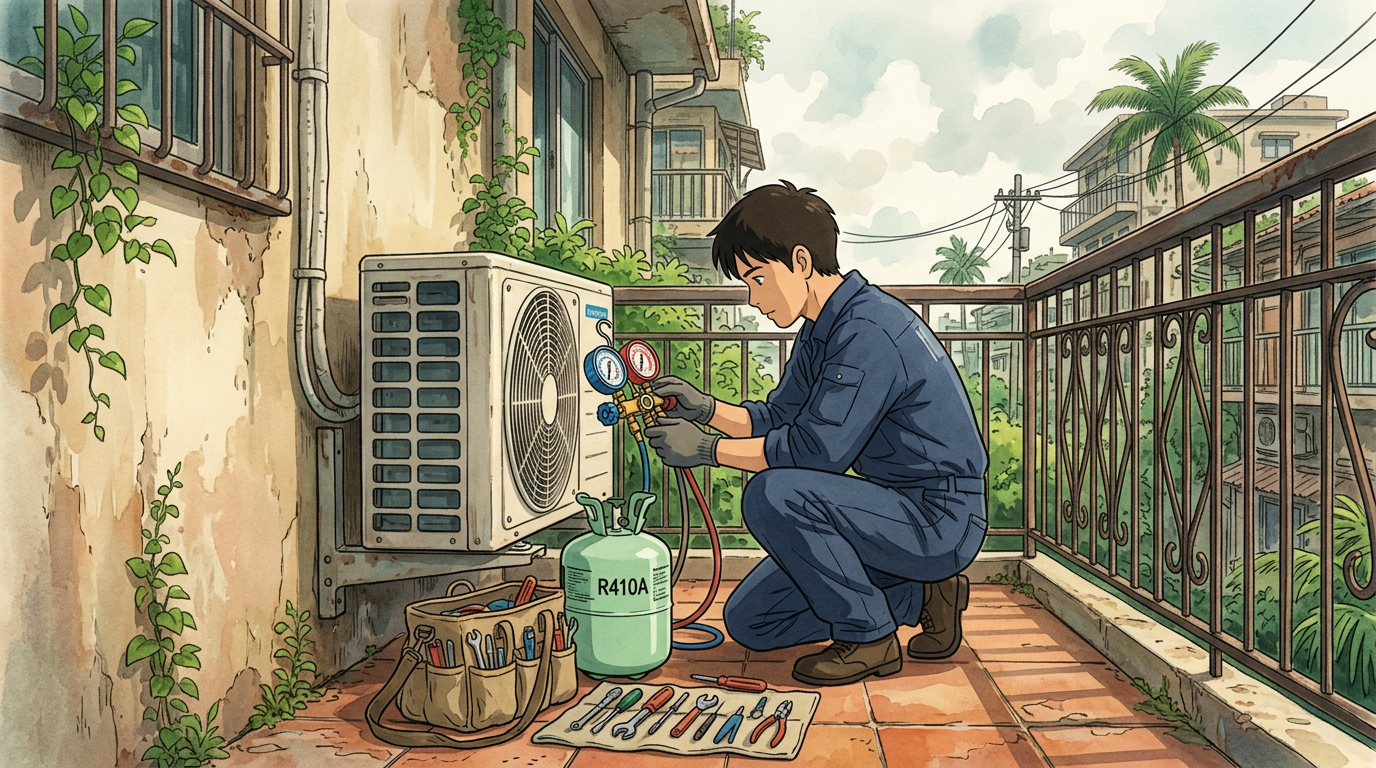
Home Alarm System Installation and Monitoring with Kids: Quick Family Guide
For Singapore families, the safest way to install a home alarm system with children is to choose a simple, child-friendly intrusion alarm layout, set clear household rules, and combine professional security monitoring with age-appropriate training for your kids. When done right, your alarm system becomes a teaching tool for safety, not a daily source of stress.
This Home Alarm System Installation and Monitoring with Kids: Family Guide is a focused Homejourney cluster article that supports our main home security pillar (Home Alarm System Installation & Monitoring in Singapore | Homejourney Safety Guide Home Alarm System Installation & Monitoring in Singapore | Homejourney Safety Gu... ). Here, we zoom in specifically on families with children – from toddlers to teens – living in HDB flats, condos, and landed homes across Singapore.
Why Home Alarm Systems Matter More for Families in Singapore
In Singapore, overall crime remains low, but police statistics still show hundreds of housebreaking and related property crimes annually, especially in private housing estates.CNA Property News For families with young children, an alarm system with smart home monitoring offers peace of mind, especially when caregivers or kids are home alone.
From my own experience living in a 4-room HDB in Punggol and later moving to a resale condo at Tanah Merah, the difference between a basic door chime and a properly planned intrusion alarm is huge. Night-time alerts, entry logs, and app-based security monitoring made it far easier to check if the kids got home safely from school, or whether the helper had locked up before heading down to the playground.
Step-by-Step: How to Plan an Alarm System When You Have Kids
1. Map Your Family’s Daily Routines First
Before you talk to any installer, walk through a typical weekday in your home and list:
- Who usually comes home first (kids, helper, grandparents, parents)
- Which doors and windows your children actually use (e.g. balcony, service yard, corridor)
- Times when the house is empty (school + work hours)
- Times when adults are sleeping but teens may return late (common in JC/poly students)
In many HDB blocks (for example, 3- and 4-room units in Sengkang or Yishun), the main risk points are typically the main door, kitchen/service yard windows and sometimes corridor-facing bedroom windows on lower floors. In condos like those along Fernvale Street or Bukit Panjang, balcony doors and sliding windows are more critical.
2. Choose Child-Friendly Alarm Hardware
For homes with kids, prioritise these components in your alarm system:
- Door and window contact sensors – Simple, reliable, and less likely to cause false alarms if positioned away from where kids slam doors.
- Pet/child-tolerant motion sensors – Choose PIR motion sensors that can ignore movement below a certain height/weight to reduce false alarms when kids run to the toilet at night.
- Keypad at adult height – Install keypads around 1.4–1.6m from the floor so toddlers cannot randomly press buttons.
- Fobs or app-based arming – Older kids (Primary 5 and above) can be given their own PIN or key fob to disarm the system when they get home from school.
In Singapore, a basic professionally installed home security system with door contacts, a keypad and one or two motion sensors typically starts from around SGD 500–1,500 depending on brand and number of zones.[5][7] More advanced systems with integration to CCTV and smart locks can go above SGD 2,000.[3][5] Always check that the installer is transparent about equipment, warranty and any monitoring subscriptions.
3. Decide on Self-Monitoring vs Professional Security Monitoring
With kids in the home, the two most relevant options are:
- Self-monitored systems – Alarm pushes notifications to your phone. Lower monthly cost, but you must be responsive to alerts.
- Professionally monitored systems – A security company monitors alarms and calls you, your emergency contacts, or dispatches responders, depending on your contract.
In Singapore, entry-level professional monitoring plans from local providers can start around SGD 30–50 per month, depending on service and contract length.[8] For families where both parents travel often or work late, professional monitoring is usually worth the extra monthly cost.
Homejourney strongly recommends that families with young children or elderly relatives at home consider some form of 24/7 response plan – whether via a monitoring service, a trusted neighbour in the same block, or a close relative living nearby.
Kid-Safe Alarm System Layouts for Different Singapore Homes
HDB Flat (3- to 5-Room)
For a typical 4-room BTO in Punggol, Tampines or Bukit Batok, a practical, family-friendly alarm layout usually includes:
- Main door contact sensor (mandatory)
- Grille/window sensors for service yard and easily accessible kitchen windows
- One motion sensor in the living room, angled away from bedrooms to avoid waking sleeping children with chimes
- Keypad near main door plus app-based control for parents
Insider tip: In many HDB blocks, sound travels clearly along the corridor. Choosing a siren volume that is loud enough to deter intruders but not so deafening that it traumatizes young kids is important. Ask your installer to demonstrate different sound levels during commissioning.
Condo Apartment
For condos along the East Coast or in areas like Jurong Gateway, balconies and sliding doors are often the main concern. A kid-focused setup should include:
- Contact sensors on balcony sliding doors and ground/low-floor windows
- Magnetic sensors on yard doors leading to common corridors or side staircases
- Optional motion sensor in the foyer rather than living room if children play there frequently
If you have a helper who spends a lot of time in the yard, ensure she has her own disarm PIN and basic training in alarm operation.
Landed Homes
For terrace or semi-D homes in Serangoon Gardens or East Coast, families with kids should think in layers:
- Perimeter layer – gate sensor, car porch motion, and outdoor beams (if allowed by estate rules)
- Ground floor layer – sensors on all accessible doors/windows; motion sensors in entry zones
- Safe night layer – ability to arm only ground floor while kids and parents sleep upstairs
Here, stay mode (arming only some zones at night) is crucial so children can use upstairs bathrooms without setting off the alarm.
Teaching Kids to Use and Respect the Alarm System
Age-Appropriate Alarm Training
To make your home monitoring setup truly effective, involve your children early and in a calm way:
- Toddlers (2–4): Explain that the “beep” sound at the door is to help keep everyone safe. Teach them not to press the keypad.
- Primary school (7–12): Show them how the system arms and disarms, but only give a PIN when they regularly come home alone from school.
- Teens: Give each teen a unique code. This lets you see entry logs in the app and talk about routines if late-night entries become frequent.
Insider tip: In many Singapore families, grandparents help with after-school care. If they are not comfortable with technology, consider a simple remote key fob or RFID tag instead of a complex keypad sequence.
Practice Emergency Drills
Once your intrusion alarm is installed, run a short “practice drill” on a weekend afternoon:
- Tell kids you will trigger a test alarm, so they are not frightened.
- Show them where to stand (away from doors/windows).
- Explain that only adults or trusted caregivers will turn off the alarm.
- Reinforce that if the siren sounds at night unexpectedly, they should stay in their room and call for you – not open the door.