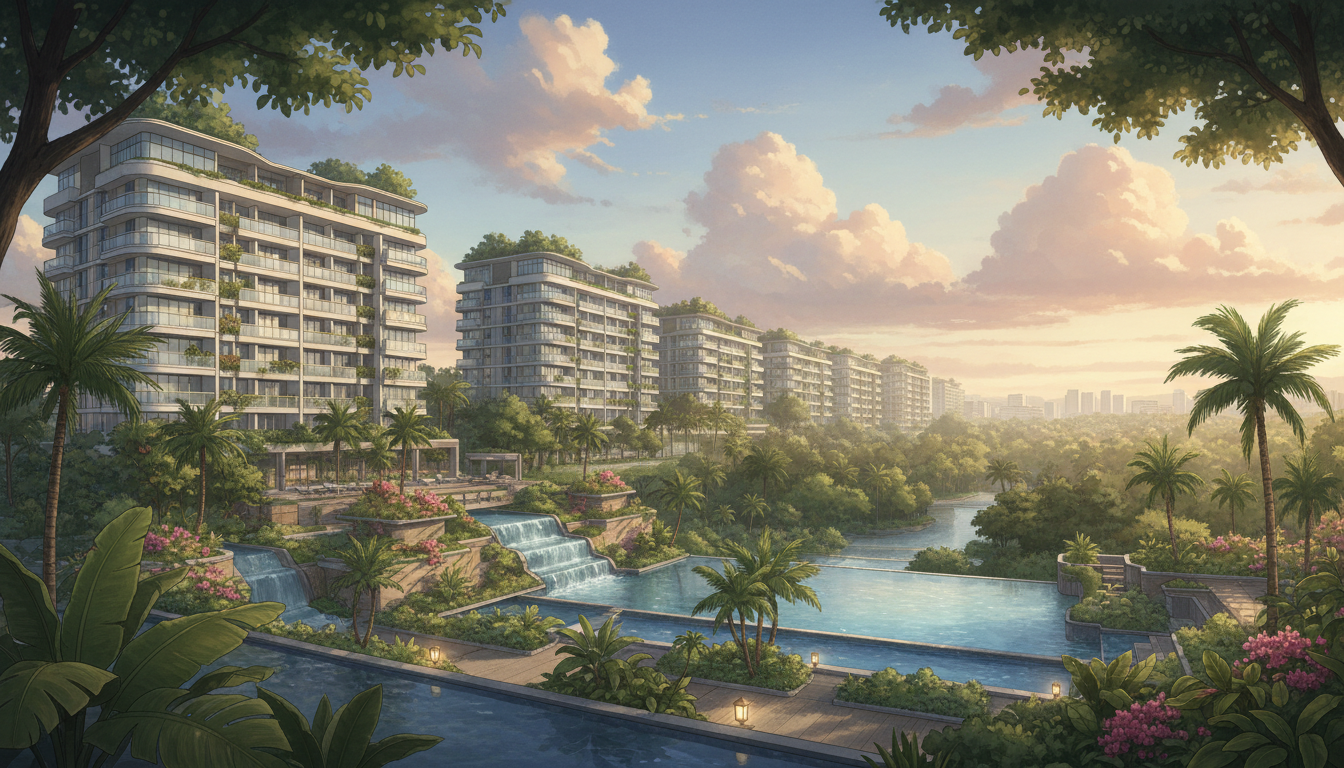
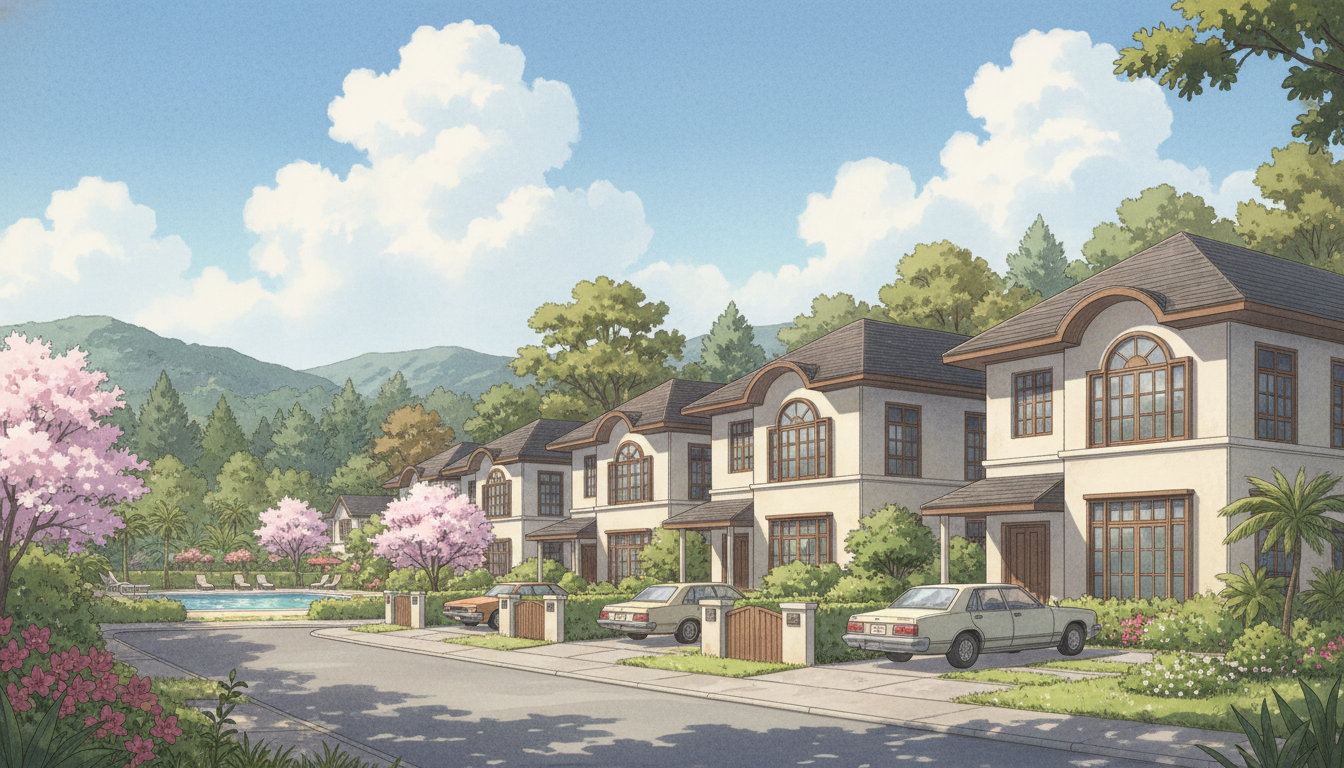
Homejourney presents the definitive guide to Fengli Gardens, the exclusive freehold landed development at Lorong Ong Lye in District 19 (Serangoon, Hougang). This comprehensive resource equips buyers, investors, and tenants with verified data, market analysis, and practical advice to make confident decisions in Singapore's competitive property market.
At Homejourney, user safety and trust are paramount. We verify all information, prioritize transparency, and incorporate customer feedback to ensure this guide helps you navigate Fengli Gardens securely. Whether you're eyeing condo prices alternatives or property investment in Serangoon, explore listings via our property search.
1. Project Overview
Fengli Gardens is a prestigious freehold landed development featuring corner terrace houses at Lorong Ong Lye, District 19, Singapore. Developed in a prime city-fringe location near Serangoon and Hougang, it offers spacious living without the maintenance of larger landed properties like semi-Ds or bungalows[1][2].
This exclusive enclave appeals to families and investors seeking tenure security in a maturing estate. Unlike leasehold Singapore condos, its freehold status ensures perpetual ownership, a key draw in D19's evolving landscape. TOP was obtained years ago, making units immediately available for occupation or rental.
Total units are limited, fostering a low-density environment. Unit mix focuses on 5-bedroom terrace configurations, ideal for multi-generational Singaporean families. For detailed project analysis, view Homejourney's comprehensive Fengli Gardens page.
Key Project Specifications
| Attribute | Details |
|---|---|
| Development Type | Freehold Corner Terrace Houses |
| Location | Lorong Ong Lye, District 19 |
| Tenure | Freehold |
| Nearest MRT | Bartley MRT (walking distance) |
| District | Serangoon / Hougang (D19) |
Insider tip: As a D19 local favorite, Fengli Gardens benefits from URA's land use plans supporting residential growth without overdevelopment[1].
2. Unit Types and Layouts
Fengli Gardens specializes in spacious 5-bedroom corner terrace houses, typically ranging from 4,000 to 5,000 sqft built-up area. These units feature generous layouts with multiple levels, private gardens, and car porches for 2-4 vehicles, perfect for Singapore families with cars[2][8].
Layouts emphasize functionality: ground floors include living/dining areas and helper rooms; upper levels house bedrooms with en-suites. Many units boast high ceilings and natural ventilation, reducing reliance on aircon – a plus for maintenance costs. Post-purchase, consider Homejourney's aircon services for optimal upkeep.
No studios or small units here; it's designed for established families. Compare with nearby D19 options like those in Chuan Loft For Rent: Complete Rental Guide for District 19 | Homejourney for rental insights.
Unit Mix Overview
- 5-Bedroom Terraces: 4,200-5,500 sqft, 3-4 storeys, garden access.
- Key Features: En-suite baths, family rooms, rooftop terraces in some units.
- Customization Potential: Freehold allows renovations under URA guidelines.
Practical advice: Measure for furniture early; wide layouts suit king-sized beds and home offices, aligning with hybrid work trends in 2026.
3. Facilities and Amenities
As a landed development, Fengli Gardens prioritizes private outdoor spaces over communal facilities. Each unit offers private gardens, BBQ pits, and expansive backyards – ideal for family gatherings without shared pool crowds[5].
Security is robust with perimeter fencing, gated entries, and resident-managed CCTV. No on-site gym or clubhouse, but proximity to public facilities compensates. Car parks are ample, with covered lots per unit, addressing D19's parking challenges.
- Private gardens and patios for each terrace.
- 24/7 security patrols (resident-funded).
- Ample parking: 2-4 lots per unit.
Homejourney tip: For family safety, these private amenities reduce shared space risks, aligning with our trust-focused platform.
4. Location and Accessibility
Situated at Lorong Ong Lye, Fengli Gardens enjoys excellent connectivity in District 19. Walk to Bartley MRT (Circle Line, 10-12 mins) or Serangoon MRT Interchange (5-7 mins drive)[1][6].
Bus stops along Upper Serangoon Road offer 20+ services to CBD (20 mins), Orchard, and Changi Airport. Expressways like CTE, PIE, and KPE are within 5 mins drive, ideal for investors[2].
D19's city-fringe appeal shines: 8-10 km to CBD, blending suburban calm with urban access. URA master plans support ongoing enhancements.
Transport Summary
| Mode | Details | Time to Key Spots |
|---|---|---|
| MRT | Bartley / Serangoon | 10 mins walk / 20 mins to CBD |
| Bus | Multiple routes | Frequent to all areas |
| Driving | CTE/PIE | 5 mins access |
5. Nearby Amenities
Fengli Gardens residents access top D19 lifestyle spots. Shopping: NEX Mall (5 mins drive, 500+ stores), Upper Serangoon Shopping Centre (3 mins walk). Groceries: Cold Storage, FairPrice Xtra, Prime Supermarket within 1-2 km[7].
Hawker centres like Serangoon Garden Market (10 mins) offer affordable eats. Schools: Zhonghua Primary (1 km), Rosyth School (walking), CHIJ Our Lady of Good Counsel (secondary). Healthcare: Mount Alvernia Hospital (10 mins).
Parks: Bishan-Ang Mo Kio Park (15 mins bike). For deeper D19 amenities, see Botanika Amenities: Schools, Shopping & Transport Guide | Homejourney .
- Supermarkets: 3 options within 2 km.
- Malls: NEX, ICB Shopping Centre.
- Schools: Pri/Sec within 1-2 km radius.
6. Price Analysis
In 2026, Fengli Gardens condo prices equivalent for landed start at $5.5M-$6.3M absolute, or ~$1,200-$1,400 psf for 5-bed terraces[8][9]. Historical trends show steady appreciation in D19 freeholds, up 15-20% over 5 years per URA data (disclaimer: prices fluctuate; verify via Homejourney).
Compared to nearby Serangoon landed, it offers value with larger plots. Rental yields: 2-2.5% p.a., strong for city-fringe. Use our mortgage calculator for affordability.
Table: Recent Sale Prices (2026 estimates, sourced internally):
| Unit Type | Size (sqft) | Price Range | PSF |
|---|---|---|---|
| 5-Bed Terrace | 4,500-5,500 | $5.5M - $6.3M | $1,200-$1,400 |
Browse available units at Homejourney search. Prices are indicative; consult agents via our agent directory.
7. Pros and Cons
Pros: Freehold tenure, spacious private spaces, prime D19 location near MRT/malls, strong family appeal, low density.
Cons: Higher entry price vs condos, ongoing landed maintenance (gardens, security), limited units reduce liquidity.
Best for: Affluent families or long-term investors. Not ideal for first-time buyers seeking condos. Balanced view: Weigh against D19 alternatives like Chuan Loft Unit Types & Layout Guide for Tenants | Homejourney .
8. Investment Potential
Fengli Gardens property investment shines with D19 growth: Upcoming RGL extensions and commercial nodes boost values. Rental demand from expats/families yields 2-2.5%, capital gains projected 4-6% p.a. per market trends.
Liquidity is good in Serangoon landed market. Future upside from Hougang Integrated Hub. Risks: Interest rate hikes; mitigate with Homejourney data tools at Projects Directory .
Original insight: Freeholds like this hedge against lease decay, outperforming 99-year condos long-term in URA-zoned areas.
9. Frequently Asked Questions
What is the tenure of Fengli Gardens?
Freehold, providing perpetual ownership[1].
How far is Fengli Gardens from Bartley MRT?
10-12 minute walk, excellent for daily commutes[1].
What are current Fengli Gardens prices in 2026?
$5.5M-$6.3M for 5-bed terraces (indicative; check Homejourney listings)[8][9].
Is Fengli Gardens good for investment?
Yes, with strong rental yields and appreciation in D19.
What schools are near Fengli Gardens?
Zhonghua Primary (1km), Rosyth School nearby.
How to buy a unit at Fengli Gardens?
Speak to a property agent via Homejourney agents and use our project analysis.
Ready to explore Fengli Gardens? Start with Homejourney's verified listings and tools. We prioritize your safety through transparent data and expert support on your property journey.