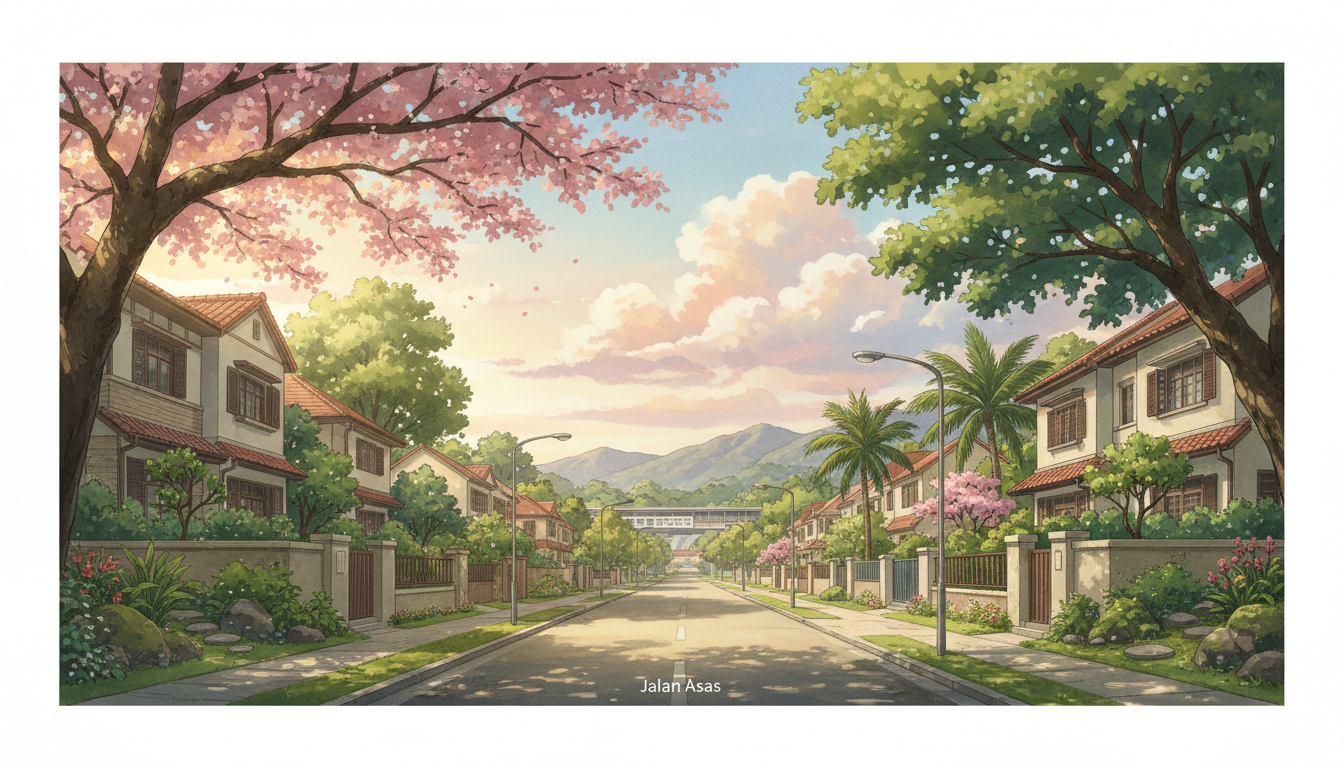

East Coast & Katong Transport Guide: MRT, Amenities & Living | Homejourney
Back to all articles
District Guide11 min read

East Coast & Katong Transport Guide: MRT, Amenities & Living | Homejourney

H

Homejourney Editorial

Complete East Coast and Katong transport guide: Marine Parade MRT, cycling paths, hawker centres & lifestyle. Discover why families choose beachfront living with Homejourney.

East Coast and Katong Living: Your Complete Transport and Amenities Guide

East Coast and Katong offer seamless connectivity through the Thomson-East Coast Line (TEL) combined with vibrant neighborhood amenities that make beachfront living accessible without sacrificing convenience. Located in District 15 (Marine Parade planning area), this mature residential enclave sits just 15-20 minutes from the CBD while providing the sea breezes, cultural heritage, and family-friendly infrastructure that attract property buyers and investors seeking balanced urban living.

This guide walks you through everything you need to know about transport connectivity, daily amenities, and lifestyle conveniences in East Coast and Katong—helping you evaluate whether this neighborhood aligns with your property investment or relocation goals.


Understanding the Transport Network: Marine Parade MRT as Your Hub

Marine Parade MRT (Station Code TE26) on the Thomson-East Coast Line serves as the primary transport anchor for East Coast and Katong living.[1] The station operates from 5:30 AM to 11:30 PM daily, featuring barrier-free access and dedicated bicycle parking—critical infrastructure for the area's car-free lifestyle advocates.[1] This matters significantly for property buyers evaluating long-term accessibility and resale appeal.

The station's three main exits serve different purposes: Exit A connects directly to Parkway Parade Mall (2-minute walk), Exit B provides access to East Coast Park (8-minute walk via underpass), and Exit C serves the residential heartland.[1] Understanding these exit points helps you assess commute times and daily convenience when evaluating specific properties in the area.

By 2026, the transport landscape expands further with upcoming TEL stations including Tanjong Katong (TE25), Marine Terrace (TE27), and Marine Parade South, which will enhance accessibility across different micro-neighborhoods within East Coast and Katong.[1][2] These developments represent significant infrastructure improvements that typically support property value appreciation in maturing residential areas.


Commute Times and Connectivity to Key Destinations

From Marine Parade MRT, you can reach Orchard Road in approximately 20 minutes via the Thomson-East Coast Line, making it practical for professionals working in the CBD or shopping districts.[1] The frequent bus services along East Coast Road and Marine Parade Drive provide alternative connectivity, particularly useful during MRT maintenance windows or for shorter local trips.

For property investors evaluating rental yields, this connectivity profile matters significantly. The 20-minute commute to Orchard Road appeals to young professionals and expats, while the direct beach access attracts families seeking weekend lifestyle benefits. This dual appeal supports consistent tenant demand and stronger rental returns compared to purely residential or purely commercial neighborhoods.

The upcoming stations will reduce travel times further. Tanjong Katong MRT (TE25) will position properties along East Coast Road even closer to transport nodes, potentially supporting future property appreciation in that micro-area.[2] When evaluating properties, consider proximity to these planned stations as a forward-looking investment factor.


Cycling Infrastructure and Car-Free Living

East Coast and Katong represent one of Singapore's most cyclist-friendly residential areas, with the East Coast Park connector system providing 19 kilometers of dedicated cycling paths.[1] The Marine Parade MRT bicycle parking facility encourages multi-modal commuting—cyclists can ride to the station, secure bikes, and take the train for longer distances.

Within East Coast Park itself, bike rental services at Bedok Jetty offer hourly rentals (S$12/hour) for weekend recreation or casual exploration.[2] The Siglap Park Connector provides quiet jogging and cycling routes ideal for residents in landed property areas, with 8-minute walk access from Siglap residential zones.[1]

For property buyers, this cycling infrastructure translates to tangible lifestyle benefits. Families with children appreciate the safe, dedicated paths for weekend activities. Environmentally-conscious professionals value the car-free commuting option. These lifestyle factors influence both property demand and rental appeal, particularly among younger demographics and expat families.


Daily Amenities: Shopping and Convenience

Parkway Parade (80 Marine Parade Drive, 2-minute walk from MRT Exit A) functions as the primary shopping hub, housing NTUC FairPrice supermarket, Uniqlo, dining options, and essential retail services.[1][2] For property residents, this proximity eliminates the need for car-dependent grocery shopping, supporting the neighborhood's car-light living appeal.

i12 Katong (112 East Coast Road, 10-minute walk from Tanjong Katong MRT area) caters to lifestyle shopping with boutique retailers, cafes, and specialty stores.[2] The Marine Parade Market (5-minute walk from Exit B) provides fresh produce options for residents preferring traditional market shopping.

Convenience stores dot the neighborhood extensively—7-Eleven locations appear at regular intervals along main roads, supporting spontaneous shopping needs.[1] For property investors evaluating rental appeal, this amenity density matters. Tenants prioritize neighborhoods where daily necessities remain accessible without significant travel time, supporting longer lease terms and more stable rental income.


Food and Dining: From Hawker Centres to Specialty Restaurants

The Marine Parade Hawker Centre (Block 70, 3-minute walk from MRT Exit A) anchors the neighborhood's food culture, with hawker stalls offering meals in the S$3-S$10 price range.[1] The standout dish is 328 Katong Laksa (S$5 per bowl), featuring the signature coconutty gravy that defines Katong's culinary identity.[1][6]

East Coast Lagoon Food Village (10-minute cycle from East Coast Park) specializes in BBQ stingray (S$10-20), making it an ideal weekend destination combining recreation and dining.[2] Joo Chiat hawker stalls (12-minute walk from Tanjong Katong MRT) serve traditional Nonya kueh (S$2-5), connecting residents to Peranakan heritage through food.

For casual dining, Choupin Cafe in Katong offers brunch options (S$8-S$15), while Amber Nectar on East Coast Road serves seafood at mid-range pricing ($$).[6] This diverse food ecosystem—spanning hawker affordability to cafe culture to specialty restaurants—appeals to multiple demographic segments, supporting strong rental demand across different tenant profiles.

For property buyers considering this area, the food culture represents more than convenience. It reflects the neighborhood's maturity and social vitality. Areas with established, diverse dining scenes typically maintain stronger property values because they attract residents seeking lifestyle quality beyond housing itself.


Attractions and Things to Do Within Walking Distance

East Coast Park (8-minute walk from MRT Exit B) stands as Singapore's largest waterfront park, spanning 19 kilometers with cycling paths, BBQ facilities, kite-flying areas, and beach access.[1][2] For property residents, this represents immediate outdoor recreation access—critical for families and health-conscious professionals. The park's sunset views from Area B (10-minute cycle from the main entrance) provide Instagram-worthy moments and regular weekend activity options.

The Katong Antique House (208 East Coast Road, 12-minute walk from i12 Katong) showcases Peranakan artifacts and heritage pieces by appointment (call +65 6344 0261).[2] This cultural venue appeals to residents interested in Singapore's multicultural history and provides weekend activity options for visiting family members.

Koon Seng Road Shophouses (15-minute walk from East Coast Road) represent Singapore's most colorful Peranakan architecture, featuring pastel-painted terraces gazetted for conservation 30 years ago.[1][4] These Instagram-worthy facades have become iconic photo spots, attracting both residents and visitors. For property buyers, proximity to these heritage streets enhances neighborhood character and cultural appeal.

The Marine Parade Community Club (5 Marine Parade Central, 3-minute walk from MRT Exit B) offers free classes and community events, supporting social integration for new residents and families.[1]


Peranakan Heritage and Cultural Living

East Coast and Katong's identity centers on Peranakan heritage, with historic shophouses, temples, and cultural landmarks throughout the neighborhood.[3][4] Joo Chiat Road functions as the cultural spine, lined with trendy shops, cafes, and heritage sites that make weekend exploration engaging.[5]

This cultural dimension attracts specific demographic segments: expats seeking authentic Singapore experiences, families valuing multicultural education for children, and heritage enthusiasts. For property investors, cultural neighborhoods typically demonstrate more resilient property values because they attract residents seeking lifestyle meaning beyond functional housing.

The neighborhood's Peranakan character also supports specialty retail (Rumah Bebe at 107 East Coast Road for antiques) and experiential activities, creating an ecosystem where residents engage regularly with their neighborhood rather than treating it as a dormitory.[2]


Property Types and Living Options

East Coast and Katong offer diverse housing options: HDB flats in mature blocks, private condominiums with beachfront or park views, and landed properties in quieter Siglap areas.[1] This housing diversity supports different buyer profiles—first-time buyers seeking affordable HDB options, upgraders targeting private condominiums, and high-net-worth individuals interested in landed properties.

For investors, this diversity matters significantly. Properties in the same neighborhood can serve different tenant segments: young professionals in condominiums, families in HDB flats, and affluent expats in landed homes. This reduces portfolio risk by enabling diversified tenant bases.

To explore current property options and pricing in East Coast and Katong, use Homejourney's Property Search to filter by property type, price range, and specific neighborhoods. For detailed pricing analysis, refer to the East Coast Katong Property Prices Rental Guide | Homejourney which provides comprehensive condo psf ranges (S$1,800-S$2,700) and rental yield expectations (3-3.5%).


Schools and Family Living

Families considering East Coast and Katong should evaluate the established school network in the area. The neighborhood's maturity means multiple primary and secondary schools within reasonable distances, supporting families' educational planning.[7] For detailed school information, reviews, and proximity analysis, refer to the East Coast Katong Schools Guide: Homejourney 2026 Education .

The proximity to East Coast Park and community facilities makes this neighborhood particularly attractive for families with children. The safe cycling paths, beach access, and established community programs support active, outdoor-oriented family lifestyles.


Healthcare and Medical Facilities

As a mature residential area in District 15, East Coast and Katong benefit from established healthcare infrastructure. Residents have access to polyclinics and private medical facilities within the neighborhood and nearby areas, supporting families' healthcare planning.


Best Times to Visit and Insider Tips

Timing your exploration matters. Weekday mornings (Tuesday-Thursday, 9-11 AM) offer the quietest experience for evaluating properties and exploring neighborhoods without crowds. Weekend mornings bring out the neighborhood's social energy—cafes fill with locals, park paths bustle with cyclists—providing authentic glimpses of daily life.

Avoid peak times strategically. Weekends at Parkway Parade get crowded during lunch hours (12-2 PM) and evening shopping (6-8 PM). If evaluating properties with family members, schedule viewings on weekday afternoons (2-4 PM) when schools are still in session, reducing foot traffic.

Cycle the entire East Coast Park connector. Rather than walking, rent a bike and experience the full 19-kilometer waterfront. This reveals the neighborhood's true recreational appeal and helps you visualize weekend lifestyle patterns. Bedok Jetty bike rentals (S$12/hour) make this accessible and affordable.

Eat at Marine Parade Hawker Centre during non-peak hours. Visit 11 AM or 2:30 PM rather than noon or 6 PM to experience the food culture without queues. This allows genuine conversation with stall owners who often share neighborhood insights.

Combine transport exploration with property viewing. When viewing properties, use different MRT exits and routes to understand actual commute experiences. Walk from potential properties to Marine Parade MRT at the time you'd actually commute—this reveals real-world travel patterns and neighborhood safety perceptions.

Connect with local cycling community. The Siglap Park Connector attracts regular cyclists and joggers. Casual conversations reveal neighborhood living patterns, property market sentiment, and practical lifestyle insights that formal research cannot capture.


Suggested Itineraries for Property Explorers

Half-Day Exploration (3-4 hours): Start at Marine Parade MRT Exit B, walk to East Coast Park for 30 minutes, return for laksa lunch at Marine Parade Hawker Centre (45 minutes), then explore Parkway Parade shopping (60 minutes). This itinerary reveals transport connectivity, food culture, and shopping convenience without requiring full-day commitment.

Full-Day Neighborhood Deep-Dive (6-8 hours): Begin with morning cycle through East Coast Park (2 hours), brunch at Choupin Cafe in Katong (60 minutes), heritage walk through Koon Seng Road shophouses (90 minutes), lunch at Joo Chiat hawker stalls (60 minutes), afternoon exploration of i12 Katong and specialty shops (90 minutes), property viewings in different micro-areas (120 minutes), sunset beach walk, dinner at Amber Nectar or similar restaurant.

Weekend Family Itinerary: Saturday morning bike ride in East Coast Park (2 hours), lunch at East Coast Lagoon Food Village (90 minutes), afternoon visit to Katong Antique House (60 minutes), evening stroll through Peranakan shophouses. Sunday morning: Marine Parade Community Club activities, brunch, property viewings, afternoon relaxation at park.

For comprehensive dining recommendations and food culture insights, refer to Homejourney: Best Food & Restaurants East Coast Katong Living .


Connecting to Broader District Living

East Coast and Katong function as part of the larger District 15 ecosystem. For comprehensive neighborhood analysis including property pricing, schools, food culture, and lifestyle factors, refer to the East Coast & Katong Living Guide: Homejourney 2026 Definitive Resource .

If you're also exploring nearby areas like Tampines, the Homejourney Tampines Regional Centre Transport & Amenities Guide 2026 provides comparative transport and amenities analysis for different residential neighborhoods.


Why Homejourney Helps You Evaluate East Coast and Katong Living

References

  1. Singapore Property Market Analysis 1 (2026)
  2. Singapore Property Market Analysis 2 (2026)
  3. Singapore Property Market Analysis 6 (2026)
  4. Singapore Property Market Analysis 4 (2026)
  5. Singapore Property Market Analysis 3 (2026)
  6. Singapore Property Market Analysis 5 (2026)
  7. Singapore Property Market Analysis 7 (2026)
Tags:Singapore PropertyDistrict Guide

Follow Homejourney

Get the latest property insights and tips

Disclaimer

The information provided in this article is for general reference only. For accurate and official information, please visit HDB's official website or consult professional advice from lawyers, real estate agents, bankers, and other relevant professional consultants.

Homejourney is not liable for any damages, losses, or consequences that may result from the use of this information. We are simply sharing information to the best of our knowledge, but we make no representations or warranties of any kind, express or implied, about the completeness, accuracy, reliability, suitability or availability of the information contained herein.