Common Interior vs Exterior Painting Problems and Solutions in Singapore usually come down to three things: our hot, humid, rainy weather, improper surface preparation, and using the wrong type of paint for the job. Understanding how interior painting and exterior painting fail differently helps you choose safer, longer‑lasting options for your HDB, condo or landed home, and avoid costly rework.
This cluster guide sits under Homejourney’s main Interior vs Exterior Painting Guide Singapore pillar Interior vs Exterior Painting Guide Singapore | Homejourney . It focuses specifically on the most common real-world issues owners face after painting, and the practical fixes that work in Singapore’s climate.
Interior vs exterior painting in Singapore: quick comparison
In Singapore, interior paint problems are usually driven by humidity, poor prep and indoor moisture, while exterior issues are driven by UV, heavy rain and algae growth.[1][3] Using the right outdoor paint or weatherproof paint and proper surface preparation is far more important here than in cooler, drier cities.
- Interior painting: peeling near bathrooms and service yards, hairline cracks, mould spots, uneven coverage, visible roller lines.
- Exterior painting: chalking (powdery walls), algae and mould, hairline cracks in plaster, blistering, colour fading from strong sun.[2][3][5]
Homejourney’s role is to help you understand which problems are cosmetic and DIY-friendly, and which are warning signs that require a verified professional to protect your family’s safety and your property value.
Common interior painting problems in Singapore (and how to fix them)
1. Peeling and bubbling paint on interior walls
Where it shows: toilets in 4-room HDBs in Bedok, kitchen walls in older Clementi flats, behind wardrobes in humid bedrooms, and around aircon trunking.[1]
Main causes:
- Excess humidity and condensation, especially in bathrooms and service yards.[1]
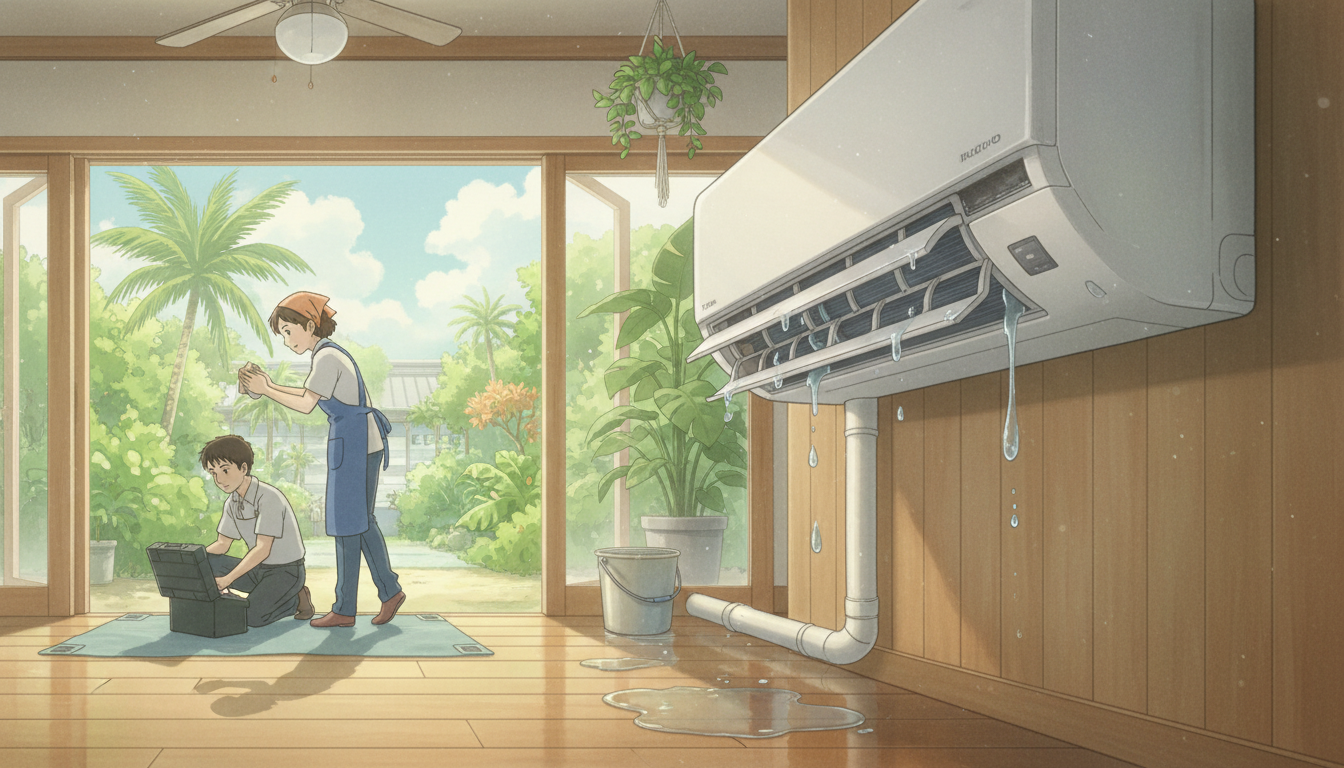
- Water leaks from upstairs bathrooms, aircon pipes, or internal plumbing.[1]
- Skipping primer or painting on damp, dirty surfaces.[1][4]
Step-by-step solution (safe approach):
- Diagnose moisture: Look for musty smells, damp patches, or recurring wet spots. In HDBs, check the ceiling and party walls next to bathrooms.[1]
- Fix the leak or humidity source first: Engage a licensed plumber or aircon contractor if needed; do not repaint before this is solved.[1]
- Remove all loose paint: Scrape off blistered and flaking paint until only solid, well-adhered paint remains.[1][2]
- Treat for mould if present: Use a mould wash or anti-mould solution before priming.[1][5]
- Prime and repaint: Apply a moisture-resistant sealer/primer, then 2 coats of quality interior paint with mould-resistant properties.[1][5]
Safety note: If you see extensive damp patches or repeated peeling after repainting, treat this as a building defect, not just a paint issue. Consider involving your MCST or HDB branch office to investigate waterproofing.
2. Mould and mildew spots on indoor walls and ceilings
Where it shows: ceilings above showers in Bishan HDBs, corners of bedrooms in Pasir Ris with poor ventilation, and behind kitchen cabinets.[1][5]
Main causes:
- Consistently high humidity and limited airflow.[1]
- Aircon set very cold with windows closed (condensation forming on walls).
- Previous repainting without anti-mould treatment.[5]
Safe removal and prevention:
- Wear a mask and gloves; open windows for ventilation, especially in small HDB bathrooms.
- Clean affected areas with a mould wash or diluted bleach solution, following product safety instructions.[5]
- Allow surfaces to dry fully.
- Apply a sealer/primer to block spores in the substrate.[5]
- Repaint with interior weatherproof paint or mould-resistant paint designed for high-humidity rooms.[1][5]
- Improve ventilation with exhaust fans; use aircon and dehumidifiers to keep humidity in check.[1]
Insider tip: In older walk-up apartments in Tiong Bahru, mould tends to form on walls sharing a boundary with stairwells. Owners often run ceiling fans on low speed overnight to keep air moving and reduce mould growth.
3. Hairline cracks and uneven finish
Typical locations: along structural joints in new BTO flats in Punggol after the first year, or at beam-column junctions in condos along the East-West line.
Main causes:
- Natural settlement of new buildings.
- Old putty or filler shrinking over time.[2]
- Poor surface preparation before repainting.[4]
When they’re cosmetic vs structural:
- Fine, spiderweb-like cracks in paint film: usually cosmetic and fixable with patching and repainting.[2]
- Wide, deep cracks in plaster or concrete: may indicate structural or waterproofing issues; seek professional assessment.
Cosmetic repair steps:
- Scrape out loose paint and any crumbly material.[2]
- Fill cracks with a high-quality filler or skim coat compound.
- Sand smooth when dry and prime.[2]
- Repaint the whole section wall to avoid patchy differences in texture and colour.[2][4]
For larger or repeating cracks, Homejourney recommends engaging a vetted painting or handyman provider How to Choose a Handyman Provider in Singapore | Homejourney Guide instead of DIY, to keep your family and neighbours safe.
4. Streaks, roller marks and patchy coverage
Common in DIY jobs for HDB bedroom feature walls or small condo repainting.
Main causes:
- Using low-quality rollers and brushes, causing streaks and shedding.[4][7]
- Over-diluting paint or applying coats too thinly.[7]
- Not using primer over bare plaster or dark colours.[4]
How to fix and avoid:
- Lightly sand high spots to reduce obvious roller edges.
- Apply a proper primer if painting over dark or high-contrast colours.[4]
- Use good-quality rollers suited to the surface (short pile for smooth walls).[4][7]
- Apply at least 2 full coats in a consistent W-pattern, keeping a wet edge.
If you are repainting just before renting out your unit, a poor finish can affect perceived value. Check Homejourney’s painting cost guide Interior vs Exterior Painting Cost Guide: Singapore Prices 2025 | Homejourney to compare the true cost of DIY vs hiring a verified pro.
Common exterior painting problems in Singapore (and solutions)
Exterior painting in Singapore must withstand intense UV exposure, sudden downpours and high humidity.[3] Choosing the right outdoor paint and weatherproof paint is crucial for façades in areas like Pasir Ris, Marine Parade and Jurong West that take heavy wind-blown rain.[3]
1. Chalking: powdery walls that dirty your clothes
Where it shows: corridor walls in older HDB blocks in Queenstown, external stairwells in industrial buildings, and sun-exposed condo façades.[3][5]
Causes:
- Breakdown of paint binders under strong UV exposure.[3]
- Use of low-quality exterior paint or over-thinned coats.[3][7]
Solution: