Planning a Budget Travel Guide to Seoul South Korea trip from Singapore? You can enjoy Seoul’s best food, culture and shopping comfortably on around S$70–S$120 per day (excluding flights), if you plan smart and book early.[1][2][3]
This focused guide by Homejourney – a Singapore real estate platform that prioritises user safety and trusted information – shows you how to stretch every Singapore dollar in Seoul Korea, while quietly helping you think about longer-term lifestyle and property goals in Asia.
Seoul on a Budget: Key Facts for Singapore Travellers
Based on recent trips from Singapore, a realistic budget for Seoul is:
- Daily budget traveller: ~50,000–80,000 KRW (≈ S$55–S$90) for hostel/guesthouse, local food and public transport.[1][2][3]
- Comfort budget: ~80,000–120,000 KRW (≈ S$90–S$130) with simple hotel, cafés and a few paid attractions.[1][3]
- Transport in city: Subway rides from ~1,400–1,550 KRW (≈ S$1.40–S$1.60) per trip with T-money card.[1][3]
Compared with Singapore, everyday transport and casual meals are slightly cheaper, while cafes and Instagrammable spots can easily push costs up if you are not careful.[1][2]
1. Destination Overview: Why Visit Seoul Korea on a Budget
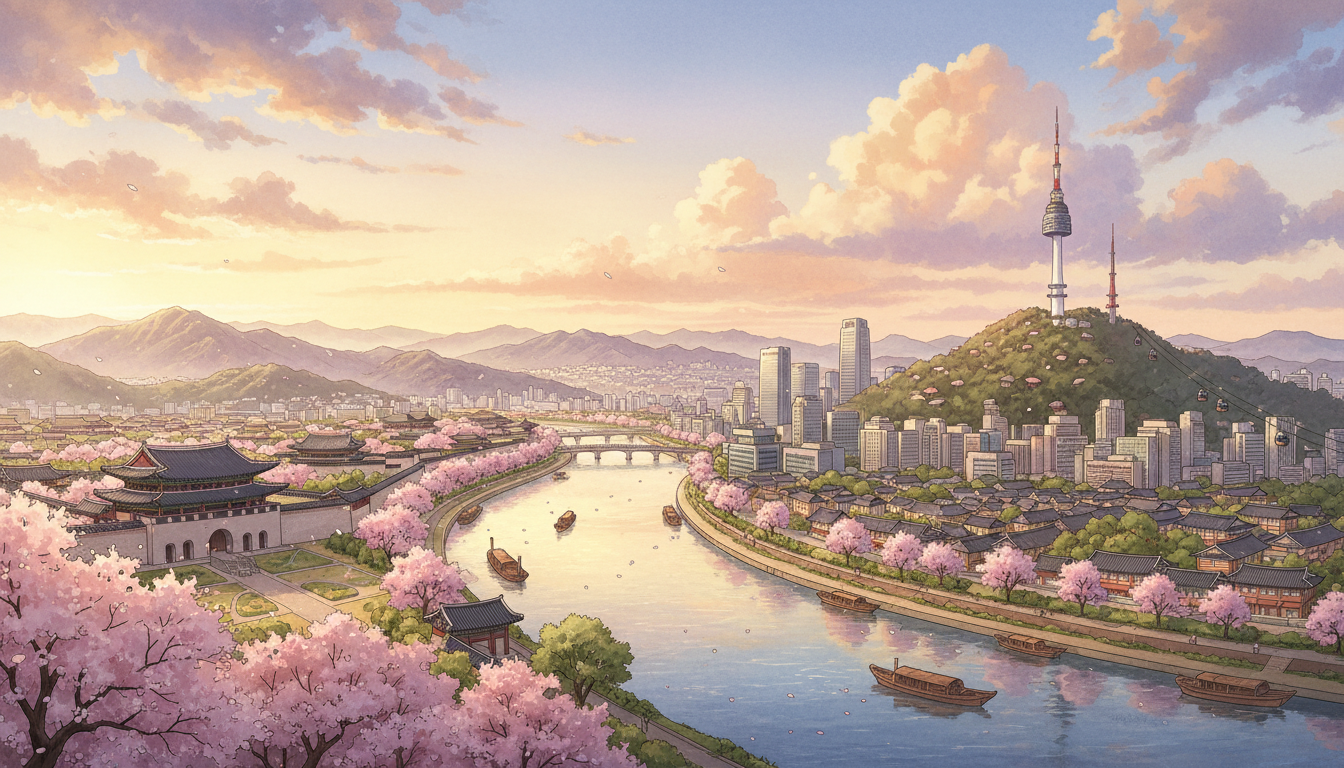
Seoul is ideal for Singapore travellers who love city energy but want value. Many of the best things to do Seoul – palace exteriors, free museums, markets, hanok alleys and riverside parks – cost little or nothing.[1][2][5]
Best Time to Visit (for Weather & Savings)
- March–May (spring): Mild weather, cherry blossoms in parks and palace gardens. Accommodation prices increase slightly during peak blossom weeks, so book 2–3 months ahead.
- September–November (autumn): Cool, clear and ideal for walking Bukchon, Namsan and university districts. Good balance of comfort and value.
- Winter (Dec–Feb): Lowest hotel prices but very cold for Singaporeans; you’ll spend more on indoor cafés and clothing.
Getting There from Singapore
From Changi Airport, direct flights to Incheon typically take ~6.5 hours. Budget carriers often run promos around school holidays; booking 2–4 months ahead usually secures better fares. From Incheon, budget-savvy options are:
- AREX All-Stop Train: ~10,000 KRW, about 60 minutes, frequent departures.[4]
- Airport limousine bus: ~10,000–15,000 KRW, 60–80 minutes depending on traffic.[4]
- Taxi: Around 60,000–70,000 KRW into central Seoul – only cost-efficient if 3–4 people share.[1][4]
Currency & Practical Money Tips
- Currency is the South Korean won (KRW). In 2025, 1,000 KRW is roughly around S$1.00 (rates fluctuate, always check live rates).
- Use multi-currency wallets or no-fee cards commonly favoured by Singaporeans; local ATMs in convenience stores usually accept foreign cards.
- Keep small notes/coins for buses, street food, and locker rentals.
Homejourney supports multi-currency views when you research Singapore properties, so you can easily compare Seoul trip costs against potential investment budgets in SGD, KRW and other currencies.Bank Rates
2. Top Budget-Friendly Seoul Attractions & Experiences
Many core Seoul attractions are free or low-cost if you know a few local hacks.
Historic & Cultural Highlights
- Gyeongbokgung Palace: One of the grandest palaces; standard entry is modest. Pro tip from frequent visitors: rent a hanbok nearby (from about S$20 for 4 hours) and you enter most palaces free.[2]
- Bukchon Hanok Village: Free to walk; go before 10am to avoid crowds and get clear photos.
- Jogyesa Temple: Peaceful temple near Insadong; free entry, especially atmospheric in the evening.
Neighbourhoods to Wander (Mostly Free)
- Hongdae: Youth district with buskers, cafés and fashion. Similar vibe to Bugis and Haji Lane, but often cheaper for street snacks and accessories.
- Myeongdong: Famous for skincare stores and street food; good for price comparison with Singapore brands.
- Seoul City Walls & Naksan Park: Light hiking, night views and photo spots with no entrance fee.
Local Food Experiences on a Budget
Everyday Korean meals can easily stay under 10,000 KRW (~S$10) if you eat where locals go.[1][2]
- Gimbap shops: Seaweed rice rolls, tteokbokki and soup sets from ~4,000–7,000 KRW.
- Market food (Gwangjang, Namdaemun): Knife-cut noodles, mung bean pancakes, dumplings – filling for S$5–S$8 per person.
- Set lunches: Office area lunch menus (around City Hall, Jongno) often offer hearty dishes + side dishes for under 10,000 KRW.
For a deeper dive into food, check our related guide: Best Food and Restaurants in Seoul South Korea | Homejourney Guide Best Food and Restaurants in Seoul South Korea | Homejourney Guide .
3. Practical Travel Tips: Visas, Safety & Saving Money
Visa Requirements for Singaporeans
Singapore passport holders enjoy visa-free short stays in South Korea for tourism under current arrangements, subject to official policy. Always verify the latest entry rules with the Korea embassy in Singapore and the Singapore Ministry of Foreign Affairs before travelling, as regulations can change.
Getting Around Seoul Affordably
- T-money / Discover Seoul Pass: T-money works like EZ-Link; tap in/out on subway and buses and enjoy slightly cheaper fares than single-trip tickets.[1][2]
- Subways & buses: Clean, frequent and have English signage – often faster and cheaper than taxis during peak hours.[1][3]
- Taxis: Base fare about 3,500 KRW for first 2km, then ~700 KRW per km; sharing between 3–4 people can be cost-effective.[1]
Safety Considerations
Seoul feels generally safe, similar to Singapore, with low violent crime rates. Still, apply common-sense precautions:
- Use official taxis or ride-hailing apps; avoid unlicensed rides late at night.
- Keep valuables secured in markets and crowded subway lines.
- During winter, watch for icy pavements – especially near rivers and slopes.
Homejourney’s emphasis on verified information and user feedback mirrors how you should treat travel information: double-check key details (last trains, attraction closures, demonstrations) using official Seoul tourism and transport sites.CNA Property News
4. Budget Accommodation Guide: Where to Stay in Seoul
From a Singaporean perspective, Seoul’s accommodation can feel more affordable than central Singapore hotels, especially outside peak cherry blossom and Chuseok periods.[1][4]
Best Areas to Stay (First-Time & Budget)
- Myeongdong: Super central, direct airport bus, strong street food scene. Great if you prioritise shopping and short walking distances.
- Hongdae: Ideal for younger travellers and couples; many guesthouses and budget hotels within 5–8 mins walk of stations.
- Jongno/Insadong: Close to palaces, Bukchon and traditional tea houses. Good if you like heritage vibes similar to Singapore’s Chinatown or Kampong Glam.