Best Food and Restaurants in Seoul South Korea: Quick Overview
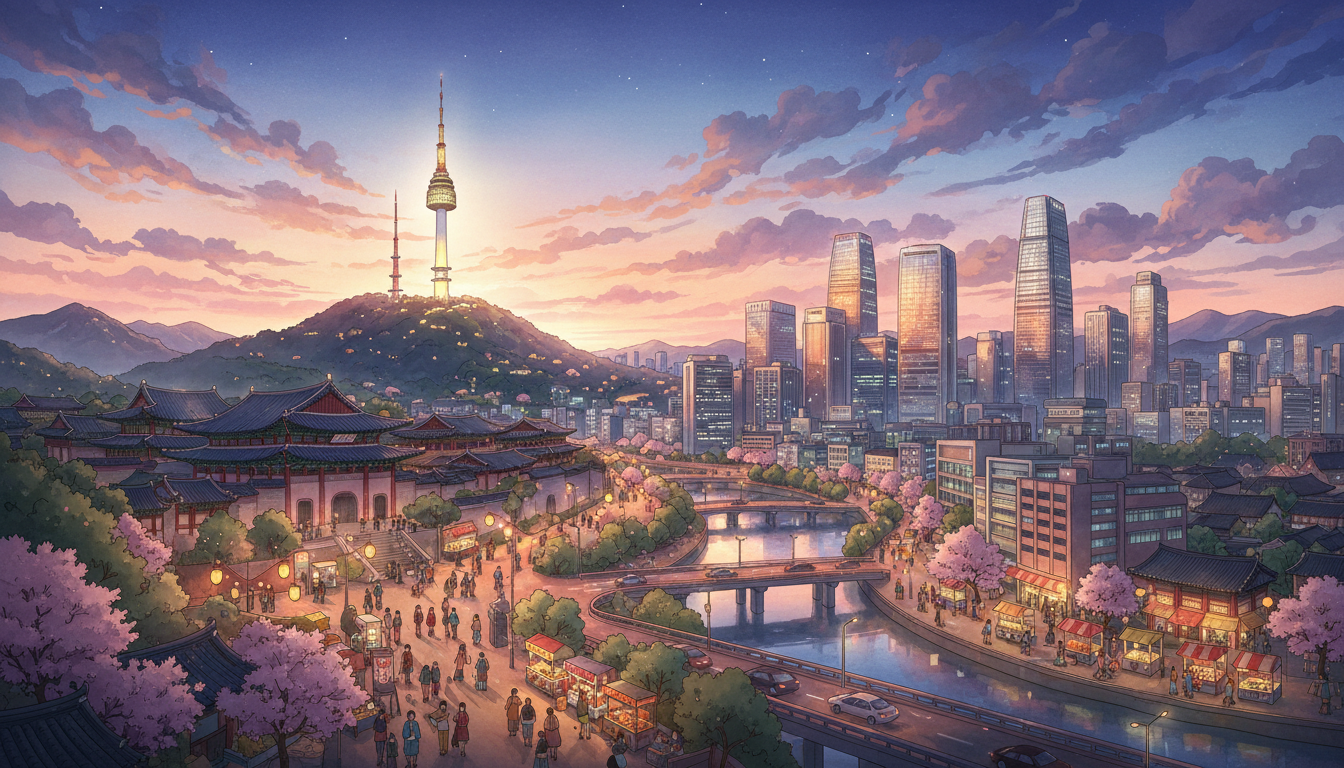
If you are planning a trip and searching for the Best Food and Restaurants in Seoul South Korea, focus on three big buckets: traditional Korean eateries (like Gwangjang Market and old-school soup shops), Korean BBQ and fried chicken joints, and modern Michelin-level restaurants that showcase Korea’s new-wave cuisine.[1][2][3][4][5] For Singapore travellers, grouping meals by neighbourhood (Myeongdong, Jongno, Gangnam, Hongdae) makes it easy to combine food stops with major Seoul attractions and things to do Seoul, while keeping walking times short and planning safer, more predictable days.
This article is a focused food and restaurant companion to our main pillar guide, Complete Guide to Things to Do in Seoul Korea | Homejourney Travel & Property Insights Complete Guide to Things to Do in Seoul Korea | Homejourney Travel & Property In... . Use this cluster guide when you are planning where to eat around your sightseeing schedule, or when comparing lifestyle and food culture across Asian cities before deciding where to live or invest.
Why Seoul’s Food Scene Matters for Singapore Travellers
As someone who has shuttled between Singapore and Seoul for years, the contrast is clear: Seoul offers late-night markets, hyper-local specialties by district, and a culture of long, communal meals that feels quite different from Singapore’s hawker-centre rhythm. In Myeongdong, you can finish shopping at 9pm and still find an entire street of tteokbokki, grilled lobster and gyeranppang (egg bread) stalls opening for the night crowd.[1] In Jongno, you can have a 50–70 year old beef bone soup restaurant right beside a minimalist coffee bar.
From a lifestyle and property point of view, many Singapore investors now look at Seoul Korea not only as a holiday spot but as a benchmark for neighbourhood character: university towns with indie cafes (Hongdae), luxury retail and fine dining (Gangnam), and historic quarters with traditional markets (Jongno / Insadong). Understanding where and what locals eat gives you a real feel of each district’s liveability and long-term appeal.
Key Food Neighbourhoods in Seoul (With Singapore Comparisons)
When planning where to eat, it helps to think of Seoul in zones, similar to how Singaporeans think of Orchard, Tanjong Pagar, or Tiong Bahru for different vibes.
- Myeongdong – Tourist-friendly, like Seoul’s version of Orchard Road but with dense street food. Famous for Myeongdong Food Street, with grilled seafood, skewers and desserts from around 5pm onwards.[1]
- Jongno / Gwanghwamun – Heritage core (similar to Singapore’s Civic District) with Gwangjang Market, Tosokchon samgyetang and many old noodle and soup shops.[1][2]
- Hongdae – Youthful and artsy, somewhat like Bugis + Haji Lane combined; great for casual cafes, fried chicken, and late-night snacks.
- Gangnam & Cheongdam – Upscale, comparable to a blend of Orchard / Dempsey; home to Michelin-starred restaurants like Mingles and modern Korean tasting menus.[2][3][4][5]
- Yongsan / Itaewon – International and expat-heavy, similar to Tanjong Pagar / Robertson Quay, with diverse cuisines and easy English menus.
For Singapore travellers, choosing accommodation close to your preferred food zone cuts travel time and keeps late-night returns safer and simpler, especially if you are travelling with kids or older parents.
Essential Korean Dishes Singapore Travellers Should Try
To build a balanced Seoul Korea food itinerary, aim to try at least one of each of these core categories.
- Korean BBQ (gogi-gui) – Charcoal or gas-grilled beef or pork, eaten with lettuce wraps (ssam) and many banchan (side dishes). Locals favour places like WooSung Galbi for affordable pork galbi in Jung-gu and Gold Pig for high-quality pork belly from Jeju.[1][2]
- Hearty soups & stews – Gomtang (beef bone soup), seolleongtang (milky ox bone soup), and kimchi jjigae (kimchi stew). Historic spots like Hadongkwan in Myeongdong are famous for gomtang and often sell out by afternoon.[1]
- Samgyetang – Ginseng chicken soup, a favourite of many Singaporeans because it is light yet rich. Tosokchon near Gyeongbokgung Palace is one of the most famous, often recommended by locals and guides alike.[1]
- Street food – At markets such as Gwangjang Market and Myeongdong Food Street you can find tteokbokki (spicy rice cakes), bindaetteok (mung bean pancakes), kimbap and more.[1][2]
- Modern Korean fine dining – Restaurants like Mingles, Mosu, 7th Door and Eatanic Garden have Michelin stars and international recognition for creative, fermentation-driven cuisine.[2][3][4][5]
Compared with Singapore, portions in Seoul are typically larger and more communal, so two Singapore adults can often share one soup and one main, especially at lunch, making even popular spots quite good value.
Best Traditional Food Markets and Casual Eats
Gwangjang Market (Jongno)
Why go: If you only have time for one traditional food market, Gwangjang is the most practical and atmospheric choice.[1][2] It is easily accessible from Jongno 5-ga Station and is compact enough to walk with kids.
What to eat:
- Bindaetteok (mung bean pancake)
- Mayak kimbap (addictive mini rice rolls)
- Tteokbokki
- Knife-cut noodles and dumplings (kalguksu / mandu)[1][2]
Insider tip: Go before 11am to avoid the tour groups, especially in peak travel seasons from April–May and October. Many stalls display pictures, which helps Singapore travellers who do not read Hangul. For safety and hygiene, pick busy stalls with high turnover and visible handwashing or glove use.
Myeongdong Food Street
In the evenings, Myeongdong 2-gil transforms into a dense corridor of food carts selling grilled lobster tails, scallops, egg bread, Korean fried chicken and more.[1] This is ideal if you are already shopping in the area, similar to combining ION Orchard with a late-night street food lane.
Safety note: It can get very crowded after 7pm. For families or older travellers, stay to the edges of the street, keep valuables in front-facing bags, and agree on a visible meeting point (e.g. main intersection or a specific cosmetics store) in case anyone gets separated.
Where to Eat Korean BBQ in Seoul
Barbecue is often the highlight for Singapore travellers comparing things to do Seoul versus other Asian cities.
- WooSung Galbi (Jung-gu) – Local favourite for pork galbi and pork rinds, with a very focused, affordable menu and opening hours roughly 2pm–2am.[1] Atmosphere is smoky and lively, similar to a packed Tanjong Pagar K-BBQ spot.
- Gold Pig – Well-known among food-focused travellers for pork belly BBQ using Jeju pork and a standout kimchi stew.[2] Good choice if you value meat quality over elaborate decor.
- Higher-end Gangnam / Cheongdam BBQ – Many visitors combine BBQ dinners with a visit to nearby Michelin or fine-dining restaurants. Guides highlight places like Born and Bred and several Cheongdam steakhouses for premium beef.[4][5]
Insider tip from a Singapore lens: Like popular hawker stalls in Singapore, many Seoul BBQ shops do not take small reservations or may only accept them for early or very late slots. For prime-time 7pm–8pm, be prepared to queue 20–40 minutes. If travelling with children, aim for 5.30pm–6pm starts, which also helps avoid the heavier drinking crowd.
Modern & Michelin-Starred Restaurants in Seoul
Seoul’s high-end dining scene has expanded rapidly and is now a major attraction in itself. For Singapore-based food enthusiasts used to Michelin options in the CBD and Orchard, these restaurants feel familiar in style but strongly rooted in Korean ingredients and fermentation.