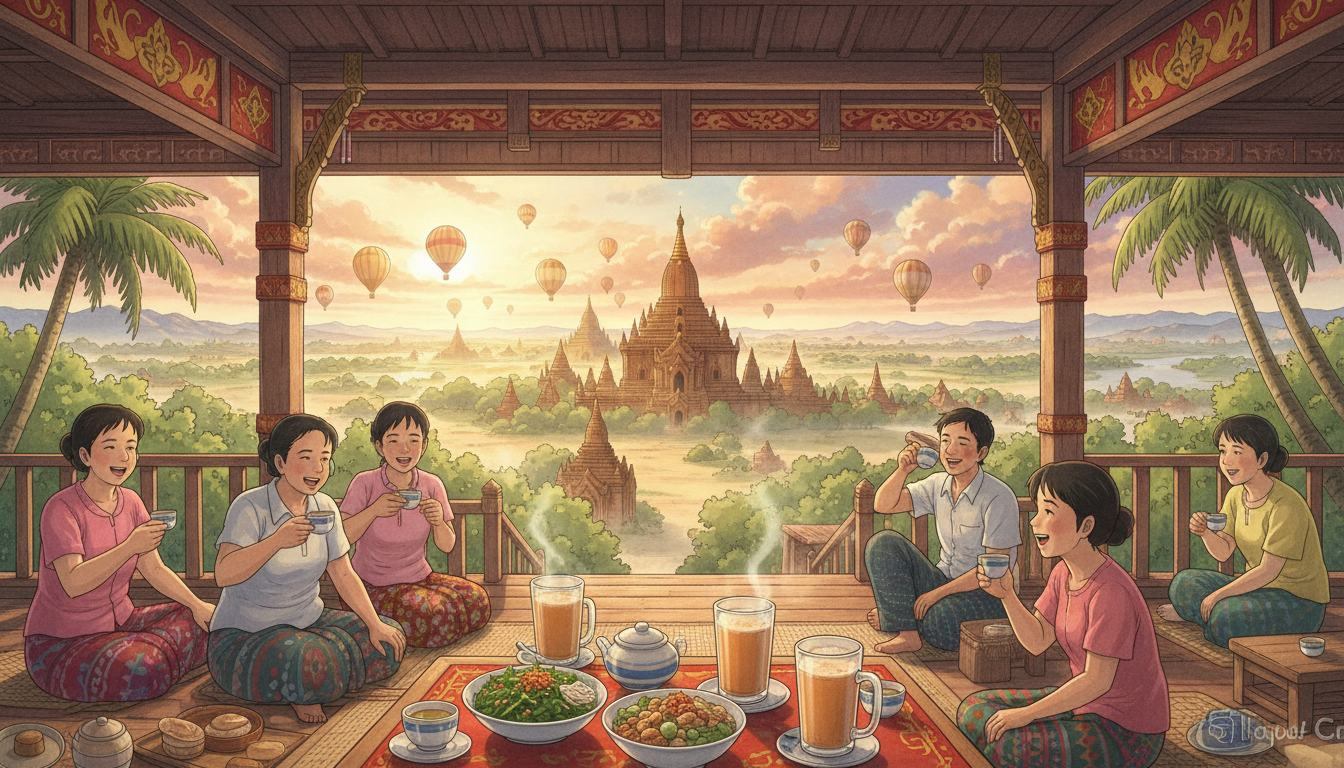
The Best Food and Restaurants in Myanmar Tea House Culture revolve around fragrant Myanmar tea, creamy milk tea, lahpet (fermented tea leaf salad) and a wide range of savoury and sweet snacks enjoyed in casual local hangouts where people meet, talk politics, watch football and socialise daily.[1][5] For Singapore-based travellers, expats and investors, understanding this tea house culture is also a window into Myanmar’s neighbourhood life—very similar to how kopitiams and hawker centres anchor communities near HDB and condo projects in Singapore.
How Myanmar Tea Houses Fit Into Your Wider Asia Life & Property Plans
This article is a focused cluster in Homejourney’s broader Myanmar Tea House and lifestyle pillar, complementing Myanmar Tea House Culture Guide: Lahpet, Milk Tea & Local Life with Homejourney . While the pillar explains history and customs, this cluster zooms in on where to eat, what to order, and how to experience tea houses safely—with practical comparisons to Singapore for travellers considering long-term stays or property investment.
Homejourney’s goal is to help you experience Asia deeply—through food, local hangouts and real neighbourhood life—so that if you ever decide to rent, buy or invest in Singapore, you are making informed, safe and confident decisions on Property Search supported by transparent data from Projects Directory and financing insights from Bank Rates .
Myanmar Tea House Culture: Quick Overview for Singapore Travellers
Tea houses in Myanmar are the equivalent of Singapore’s kopitiams: all-day, open, casual meeting points where friends, families and business partners gather to drink tea, snack and talk.[1][5] They are especially common in Yangon, Mandalay and smaller towns, often located at busy junctions or near markets.
Historically, tea in Myanmar is both drunk and eaten. Fermented tea leaves—called lahpet—are mixed into salads for ceremonies and daily meals, symbolising hospitality and friendship.[1][2] In many tea houses, you will see stainless steel kettles of free-flow green tea on the table, while orders of milk tea (often similar to Indian masala chai with condensed milk)[5] and snacks are charged separately.
Signature Foods in Myanmar Tea Houses You Must Try
If you are planning around Best Food and Restaurants in Myanmar Tea House Culture, focus on these core items. They are the key to understanding local tea culture, just as kaya toast and kopi define a Singapore breakfast.
1. Lahpet (Fermented Tea Leaf Salad)
Lahpet thoke is Myanmar’s iconic tea leaf salad, made from fermented tea leaves tossed with peanuts, toasted sesame, garlic, crispy beans, sometimes dried shrimp and chillies.[1][2] Traditionally shared during ceremonies to signify peace and hospitality, it is now a staple snack in tea houses and restaurants.
Insider tip from a Singapore-based perspective: if you like strong flavours like petai or hae bee hiam, you’ll probably enjoy lahpet. It is rich, slightly bitter, sour and crunchy—best shared with 2–3 people. In most Yangon tea houses, a plate costs roughly equivalent to a mid-priced hawker dish in Singapore (prices change frequently with currency, so check locally).
2. Myanmar Milk Tea and Green Tea
The most popular drink in urban tea houses is milk tea, brewed from strong CTC black tea with condensed milk and sugar—very close to Indian masala tea.[5] Some vendors use a pulling technique similar to Singapore’s teh tarik, pouring tea between two containers to aerate it and create foam.[5]
Alongside that, free green tea is usually provided in pots at your table.[5] Locals sip green tea slowly while snacking; milk tea is ordered hot, less sweet or extra sweet depending on taste—just like kopi siu dai in Singapore.
3. Savoury Snacks: Fried Fritters and Noodles
Tea houses double as light-meal spots, especially for breakfast and late afternoon. Expect trays of:
- Fried dough sticks similar to youtiao
- Banana fritters
- Chickpea fritters
- Simple noodle dishes like mohinga (rice noodle fish soup) in the morning
As in Singapore, these snacks are designed to be quick, affordable, and ideal for solo diners or groups. When comparing costs, a typical Myanmar tea house breakfast is often cheaper than a full hawker meal in Singapore, but quality and hygiene standards vary widely—so choosing the right places matters.
Best Types of Tea Houses and Where to Experience Them
Instead of chasing specific brand names—which change frequently in Myanmar’s current landscape—it is more useful to understand types of tea houses and how they fit into neighbourhood life, similar to understanding the difference between a heartland kopitiam in Ang Mo Kio and a CBD café in Tanjong Pagar.
1. Classic Roadside Tea Houses
These are open-fronted shops with low plastic stools spilling onto the pavement. Expect a constant buzz of conversation, football matches on TV and motorbike traffic passing by.
Best for: authentic atmosphere, people-watching and understanding how tea houses act as local hangouts and informal community centres.[1][5]
Safety & hygiene tip (from a Singapore lens): stick to busy shops with high turnover, look for freshly washed cups and kettles that are actively boiling, and avoid ice in drinks if you have a sensitive stomach. Just as you would choose a crowded hawker stall in Singapore for freshness, use crowd levels as a guide.
2. Modern Air-Conditioned Tea Restaurants
In central Yangon and Mandalay, you can find more modern tea restaurants with air-conditioning, tiled floors and larger menus. They cater to office workers, families and students—similar to air-conditioned food courts near Singapore MRT interchanges.
Best for: travellers who prioritise comfort, predictable hygiene and sometimes English menus. Prices are usually slightly higher but still affordable by Singapore standards, similar to upgrading from a neighbourhood coffee shop to a mall café.
3. Tea Houses Near Pagodas and Markets
Myanmar’s tea culture is historically linked to religious and social life—tea offerings are made to monks and Buddha images, and elders are served the best tea and food at festivals.[1] Tea houses around major pagodas or local markets can be especially lively before and after prayer times or market hours.
Insider timing tip: visit in the cool early morning or just before sunset for a more relaxed experience; midday can be hot and crowded, especially in the dry season.
Planning Your Tea House Food Adventures from Singapore
From Singapore, flights to Yangon used to take around three hours, making Myanmar a short-haul cultural getaway similar to Bangkok or Ho Chi Minh City. Before booking, check the latest Ministry of Foreign Affairs (MFA) travel advisories and airline schedules, as conditions and connectivity can change.
Currency & payment tips (from a Singapore traveller’s view):
- Bring a mix of SGD and major currencies for exchange in Singapore before departure for better transparency.
- Tea houses are usually cash-based; large, modern restaurants may accept cards.
- Homejourney’s platform supports multi-currency viewing, so when you compare property prices in Singapore later, you can mentally translate from your Myanmar spending back into SGD using our tools and Bank Rates for prevailing mortgage benchmarks.
Practical Tea House Safety & Etiquette
Homejourney prioritises safety and trust, and we bring the same mindset to travel advice. While tea houses are generally friendly, keep these practical guidelines in mind:
- Food safety: Choose busy spots, check that hot foods are steaming, and avoid raw salads if you have a sensitive stomach—lahpet is fermented, so start with small portions.
- Drinking water: Stick to sealed bottled water; free tea is usually boiled and safe but confirm if unsure.
- Personal belongings: As in any crowded kopitiam around MRT hubs, keep your phone and wallet in sight and avoid leaving bags unattended.
- Cultural respect: Dress modestly if you are near pagodas, speak softly, and avoid loud phone calls in crowded tea rooms.
These are general best practices based on regional experience; for official safety advice, always refer to your country’s foreign affairs ministry or embassy.
Suggested 1–2 Day Tea House–Focused Itinerary
Instead of a full country itinerary, here is a compact, realistic plan centred on tea house culture—ideal if you’re coming from Singapore for a long weekend and want to combine food exploration with neighbourhood walks.