Common Property Viewing Preparation Problems and Solutions for Singapore Sellers
Property viewing preparation is one of the most critical yet overlooked aspects of selling a home in Singapore. Whether you're selling an HDB flat, condominium, or landed property, inadequate preparation directly impacts buyer interest, negotiation power, and final sale price. At Homejourney, we've identified the most common problems sellers face when preparing for viewings—and we've developed practical, tested solutions to help you present your property confidently and attract serious buyers.
This cluster article addresses the tactical challenges of property viewing preparation, building on our comprehensive pillar guide on property selling strategies. If you're managing a rental property with tenants, refer to our detailed guide on tenant rights during property viewings to ensure compliance with Singapore's 24-48 hour notice requirements and quiet enjoyment protections[1][2].
Problem 1: Poor First Impressions Due to Clutter and Disorganization
The Challenge: Most sellers underestimate how quickly buyers form opinions. Research shows that 67% of buying decisions are influenced by the property's presentation within the first 90 seconds of arrival. Cluttered spaces, personal items, and disorganized layouts make rooms appear smaller and less valuable.
Why It Matters in Singapore: Singapore's compact living spaces—particularly HDB flats averaging 90-100 sqm—require strategic decluttering. A cluttered 3-room flat can feel suffocating to buyers accustomed to viewing multiple properties. Condominiums with premium unit sizes also suffer when cluttered, as buyers struggle to visualize the space's true potential.
Solution: Strategic Decluttering Framework
- The 70/30 Rule: Remove 30% of visible personal items. Keep essential furniture but eliminate excess decorations, family photos, children's toys, and memorabilia. This creates visual breathing room without making the space feel sterile.
- Neutralize Personal Spaces: Remove family photos from walls and shelves. Pack away religious items, political posters, and highly personalized décor. Buyers need to imagine themselves in the space, not feel they're intruding on your family life.
- Organize Storage Strategically: Open all built-in wardrobes and kitchen cabinets during viewings to showcase storage capacity. Ensure contents are neatly organized—buyers equate organized storage with property quality. For HDB flats, this is particularly important as storage is a key selling point.
- Create Clear Pathways: Ensure all rooms are easily accessible. Remove furniture blocking doorways or windows. In smaller units, this can increase perceived space by 15-20%.
Problem 2: Inadequate Lighting and Dark, Uninviting Spaces
The Challenge: Poor lighting is the second-most common reason buyers develop negative first impressions. Dim or yellow-tinted lighting makes properties appear older, smaller, and less desirable. This is particularly problematic for units with limited natural light—common in Singapore's high-density housing.
Why It Matters: Singapore's tropical climate means high humidity and intense afternoon sun. Many properties have deep layouts where interior rooms receive minimal natural light. Buyers viewing during overcast days or evening hours may struggle to assess the property's true brightness and condition.
Solution: Comprehensive Lighting Optimization
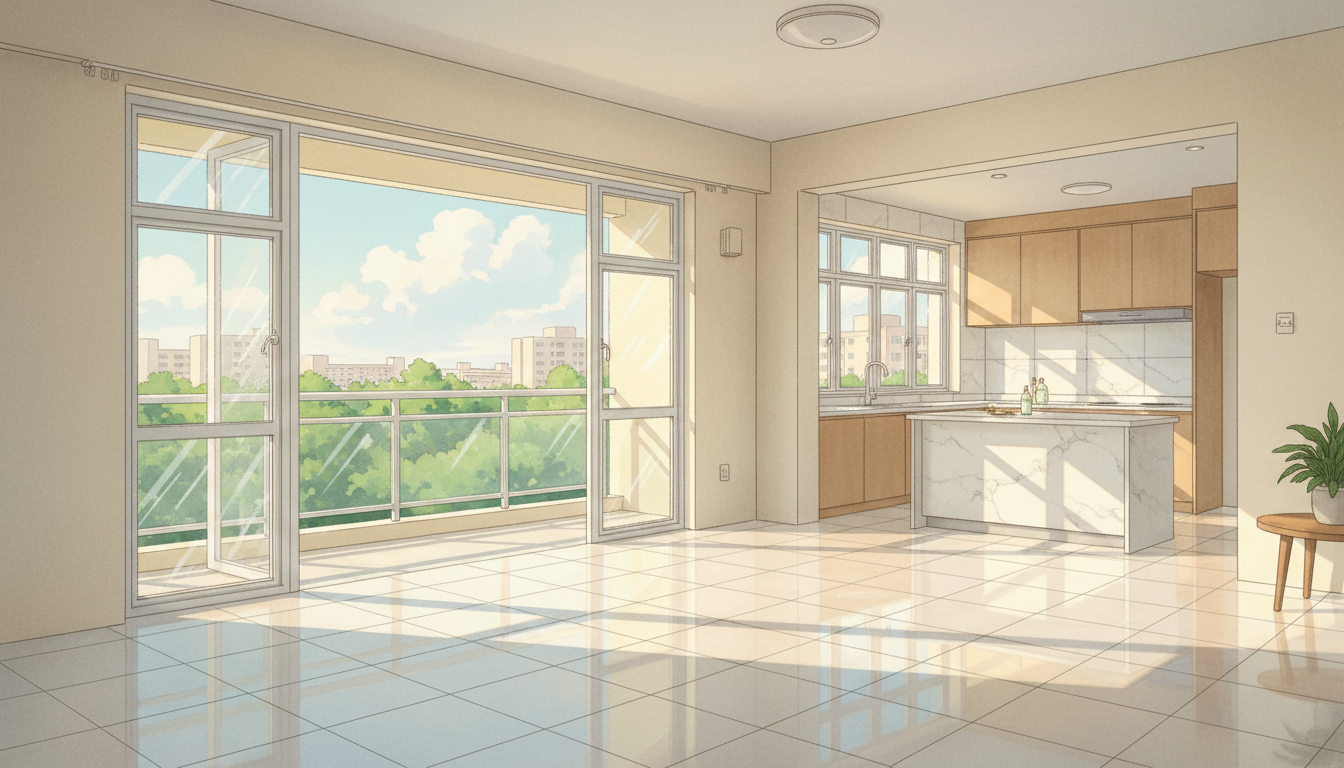
- Maximize Natural Light: Open all curtains and blinds fully 30 minutes before viewings begin. Clean windows thoroughly—dirt and grime reduce light transmission by up to 25%. For HDB flats with limited windows, this single step can dramatically improve the space's appeal.
- Strategic Artificial Lighting: Replace all warm-tinted (2700K) bulbs with neutral white (4000K) or cool white (5000K) LED bulbs. These cost SGD $3-8 per bulb and create a brighter, more modern appearance. Ensure all light fixtures are functional—non-working lights suggest poor maintenance.
- Layer Your Lighting: Use overhead lights, table lamps, and accent lighting. Well-lit spaces feel larger and more inviting. In kitchens and bathrooms, bright lighting is essential to convey cleanliness and functionality.
- Timing Consideration: Schedule viewings between 10am-3pm when natural light is optimal. If evening viewings are unavoidable, ensure all lights are on and brightness is maximized.
Problem 3: Visible Maintenance Issues and Neglected Repairs
The Challenge: Visible defects—peeling paint, water stains, cracked tiles, faulty light switches—immediately signal poor maintenance and raise red flags about hidden structural issues. Buyers assume unaddressed cosmetic problems indicate deeper, more expensive problems.
Why It Matters in Singapore: HDB flats undergo mandatory inspections, and visible defects can delay sales or trigger price reductions. Condominiums with aging infrastructure (10+ years) face particular scrutiny. Landed properties with outdoor areas must address garden maintenance, fence condition, and drainage issues.
Solution: Strategic Pre-Viewing Repairs and Touch-Ups
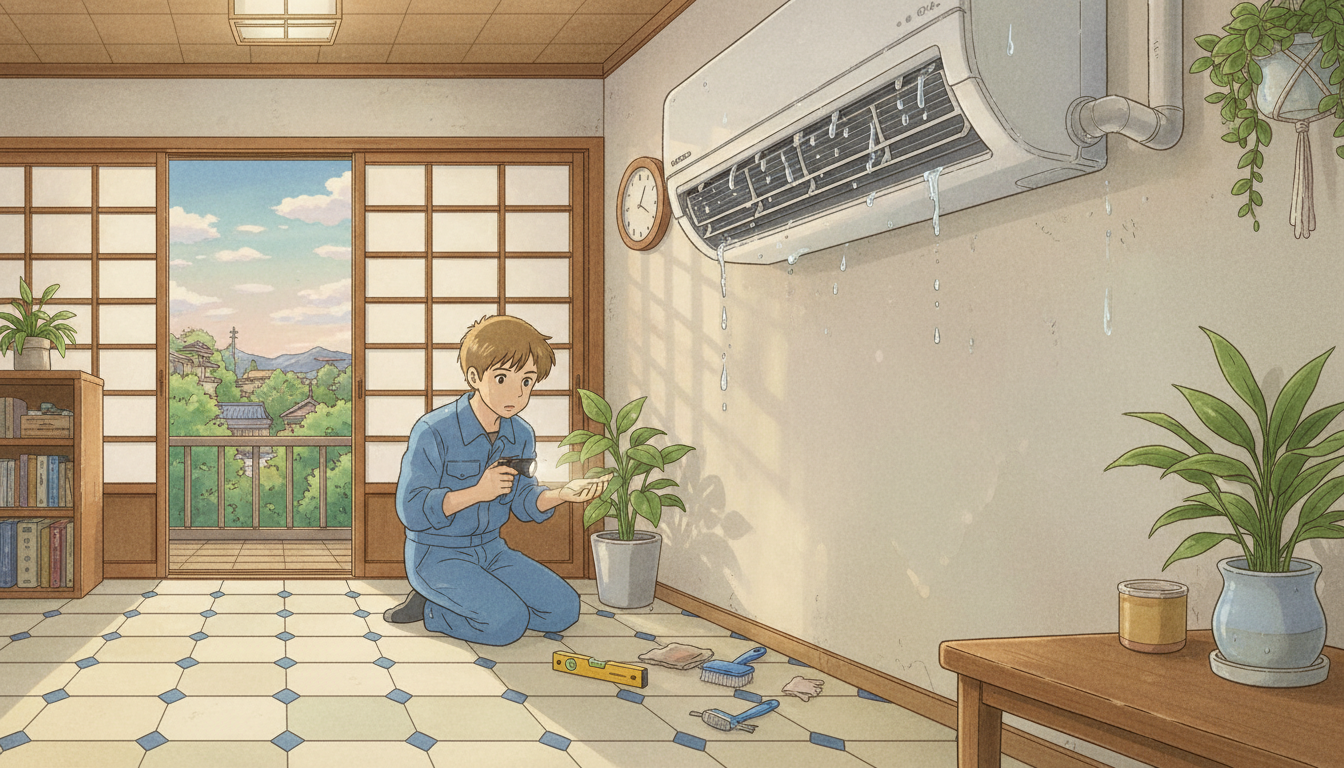
- Priority Repairs (Must Fix): Faulty electrical outlets, leaking taps, broken door handles, cracked mirrors, peeling paint in main living areas, and water stains on ceilings. These cost SGD $50-300 each but are essential. Budget SGD $500-1,500 for comprehensive touch-ups.
- Paint Refresh: Fresh paint in neutral tones (white, light gray, soft beige) costs SGD $800-1,500 for a 3-room HDB flat. Focus on main living areas and bedrooms. Avoid bold colors that may deter buyers.
- Tile and Grout Cleaning: Professional tile cleaning costs SGD $200-400 and dramatically improves bathroom and kitchen appearance. For stubborn stains, consider professional grout sealing (SGD $300-600 for full bathroom).
- Flooring Assessment: Ensure all flooring is clean and in good condition. Scuffed parquet or stained vinyl significantly impacts perception. Professional cleaning costs SGD $150-300; refinishing damaged areas costs SGD $500-1,500.
Problem 4: Unpleasant Odors and Poor Air Quality
The Challenge: Odors are the most difficult to remedy quickly and significantly impact buyer perception. Cooking smells, pet odors, musty basement scents, or cigarette smoke can cause buyers to leave within minutes, regardless of property condition.
Why It Matters: Singapore's humid climate traps odors more effectively than temperate regions. HDB flats with shared corridors may have odors seeping from neighboring units. Condominiums with aging ventilation systems struggle with stale air circulation.
Solution: Multi-Layer Odor Elimination Strategy
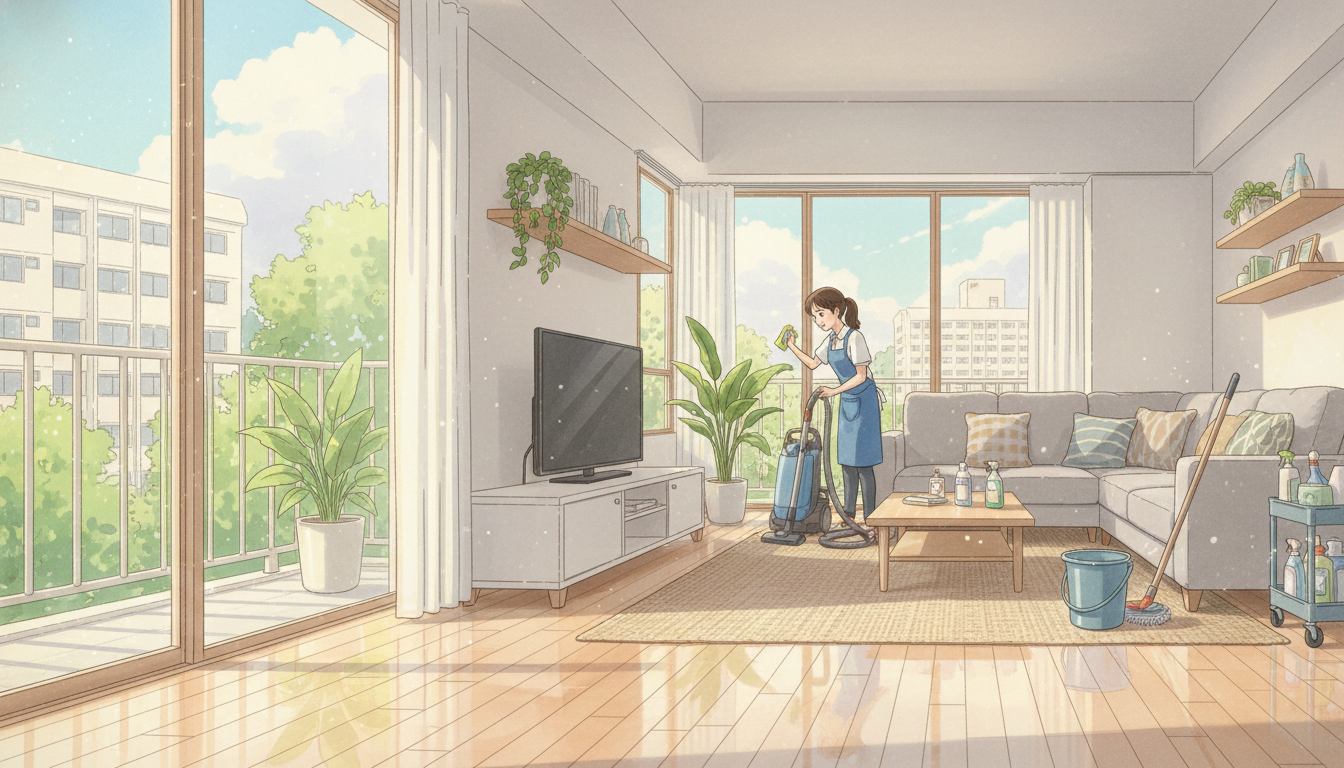
- Deep Cleaning (3-5 Days Before): Professional deep cleaning costs SGD $300-600 for a 3-room flat and removes embedded odors from carpets, curtains, and upholstery. Include air duct cleaning (SGD $200-400) to eliminate odors circulating through the HVAC system.
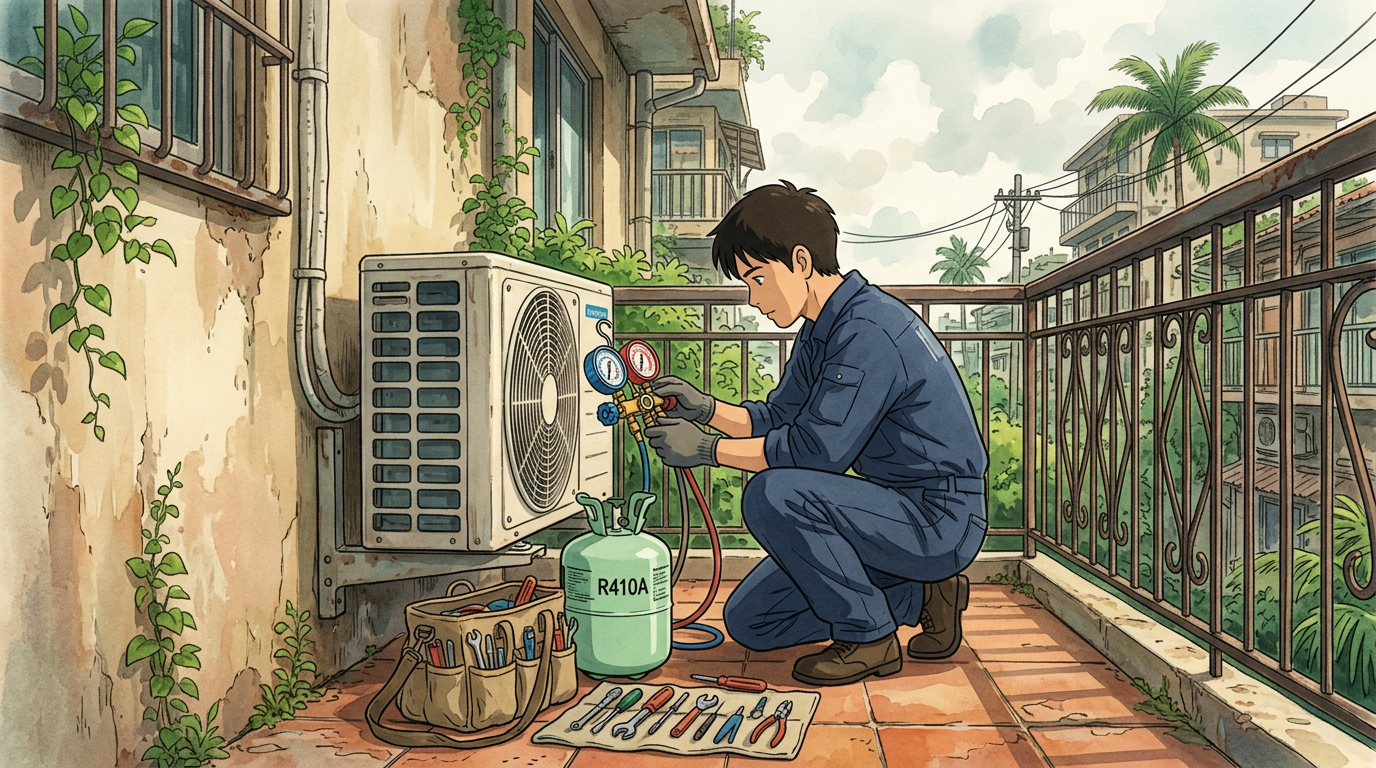
- Ventilation Optimization: Open all windows and doors for 2-3 hours daily for 3-5 days before viewings. Use exhaust fans in kitchens and bathrooms continuously. For condominiums, ensure air conditioning units are serviced and filters are clean. Poor aircon maintenance is a common odor source—budget SGD $80-150 for professional filter cleaning.
- Eliminate Odor Sources: Remove pet litter boxes, trash cans, and recycling bins from main living areas. Store them in external areas or sealed containers. For pet owners, this is critical—even pet-friendly buyers may be deterred by odor.
- Strategic Scenting (Day of Viewing): 30 minutes before viewings, use subtle, fresh scents: fresh coffee brewing, fresh-baked cookies, or lemon-scented cleaning products. Avoid artificial air fresheners, which can seem deceptive. The goal is subtle enhancement, not masking.
Problem 5: Inadequate Preparation for Tenant-Occupied Properties
The Challenge: Selling a property with existing tenants requires careful coordination. Landlords must provide proper notice, respect tenant privacy rights, and manage viewing schedules without breaching Singapore's tenancy laws.
Why It Matters: Under Singapore's common law principles, tenants have the right to quiet enjoyment and exclusive possession. Landlords must provide 24-48 hours' written notice for viewings[1][2]. Breaching these rights can result in claims at the Small Claims Tribunal for up to SGD $20,000[1]. Additionally, excessive viewings or aggressive access can motivate tenants to lodge formal complaints, complicating the sale process.
Solution: Tenant-Friendly Viewing Protocol
- Formal Notice Process: Send written notice (email or SMS) at least 48 hours before viewings, specifying the exact date, time window (e.g., 2pm-3pm), and agent details. Include your contact number for questions. This demonstrates professionalism and builds goodwill.
- Viewing Frequency Limits: Establish a schedule limiting viewings to 2-3 per week during reasonable hours (10am-5pm weekdays, 10am-1pm weekends). Excessive viewings breach quiet enjoyment rights and may trigger tenant complaints.
- Tenant Presence Options: Offer tenants the choice to remain present during viewings or allow agent access with a key. Many tenants prefer to be present to protect their belongings and ensure their living space is respected. This also prevents potential disputes about property condition.
- Property Presentation by Tenant: Discuss with tenants how to present the property. Request minimal tidying (not excessive staging) to show the property's real condition. Well-maintained rental properties attract investors seeking turnkey investments. Provide tenants with a brief checklist: ensure main areas are tidy, windows are clean, and air is fresh.
- Documentation: Keep records of all notices sent, viewing dates, and any tenant communications. This protects you if disputes arise and demonstrates compliance with legal requirements.
Problem 6: Insufficient Information and Documentation for Buyers
The Challenge: Many sellers fail to provide comprehensive property information during viewings. Buyers struggle to assess key details like age of infrastructure, renovation history, utility costs, and maintenance records. This uncertainty often leads to lower offers or lost sales.
Why It Matters: Singapore's new developer regulations (effective early 2026) now require detailed property information including site plans with structural walls marked and Conquas scores[3]. While these apply primarily to new launches, they set buyer expectations for transparency. Existing property sellers who provide detailed documentation gain a significant competitive advantage.
Solution: Comprehensive Property Documentation Package
- Essential Documents to Prepare: Original property deed or HDB grant letter, latest property tax assessment, renovation permits and completion certificates, electrical and plumbing inspection reports, aircon servicing records (last 2 years), and utility bills (3-6 months) showing average consumption. For condominiums, include MCST financial statements and maintenance fee history.
- Visual Documentation: Prepare a 1-2 page property summary with: year of construction, last major renovation (with dates and scope), unit size in sqm, number of bedrooms/bathrooms, parking details, and key amenities. Include photos of key features (kitchen, bathrooms, views). This can be printed as a handout or shared digitally.
- Infrastructure Age and Condition: Document the age of critical systems: electrical wiring, plumbing, water heater, aircon units, and kitchen appliances. If recently replaced or serviced, include receipts and warranty information. This reassures buyers about future maintenance costs.
- Neighborhood Information: Prepare a brief guide to nearby amenities: MRT stations with walking distances, schools, shopping centers, parks, and healthcare facilities. Include information about noise levels, traffic patterns, and any planned developments in the area. This helps buyers envision their lifestyle in the property.
Problem 7: Ineffective Staging and Space Utilization
The Challenge: Sellers often either over-stage properties (making them feel artificial) or under-stage them (failing to highlight key features). Poor furniture arrangement makes rooms appear smaller or awkwardly configured. Buyers struggle to visualize the space's potential.
Why It Matters: Singapore's diverse property types require different staging approaches. A 3-room HDB flat needs to emphasize space efficiency and functionality. A luxury condominium should highlight premium finishes and lifestyle amenities. A landed property should showcase outdoor potential and privacy.
Solution: Strategic, Subtle Staging Framework
- Furniture Right-Sizing: Remove excess furniture to create the illusion of space. In living rooms, use one sofa instead of multiple pieces. In bedrooms, ensure the bed doesn't dominate the room—buyers should see floor space. For HDB flats, this is critical; overfurnished units feel cramped and significantly reduce perceived value.
- Highlight Key Features: Arrange furniture to draw attention to windows, views, architectural details, or premium finishes. In condominiums, ensure sightlines to balconies and views are unobstructed. In landed properties, create sightlines to gardens and outdoor areas.
- Functional Staging: Show how spaces are intended to be used. In kitchens, ensure the dining area is clearly visible and accessible. In home offices or studies, set up a desk to show potential use. This helps buyers visualize their own lifestyle in the space.
- Neutral, Quality Décor: If staging with furniture, use neutral colors and modern, quality pieces. Avoid trendy or highly personal décor. The goal is to enhance the space, not distract from it. Budget SGD $500-1,500 for minimal staging items if needed.
Problem 8: Lack of Preparation for Specific Property Types
The Challenge: Different property types require different viewing preparation strategies. HDB flats, condominiums, and landed properties each have unique features, concerns, and buyer expectations. Generic preparation fails to address type-specific issues.
Why It Matters: HDB buyers prioritize affordability, space efficiency, and community amenities. Condominium buyers focus on premium finishes, facilities, and security. Landed property buyers emphasize privacy, outdoor space, and structural integrity. Preparation must align with buyer priorities.
Solution: Property Type-Specific Preparation Checklists
For HDB Flats: