
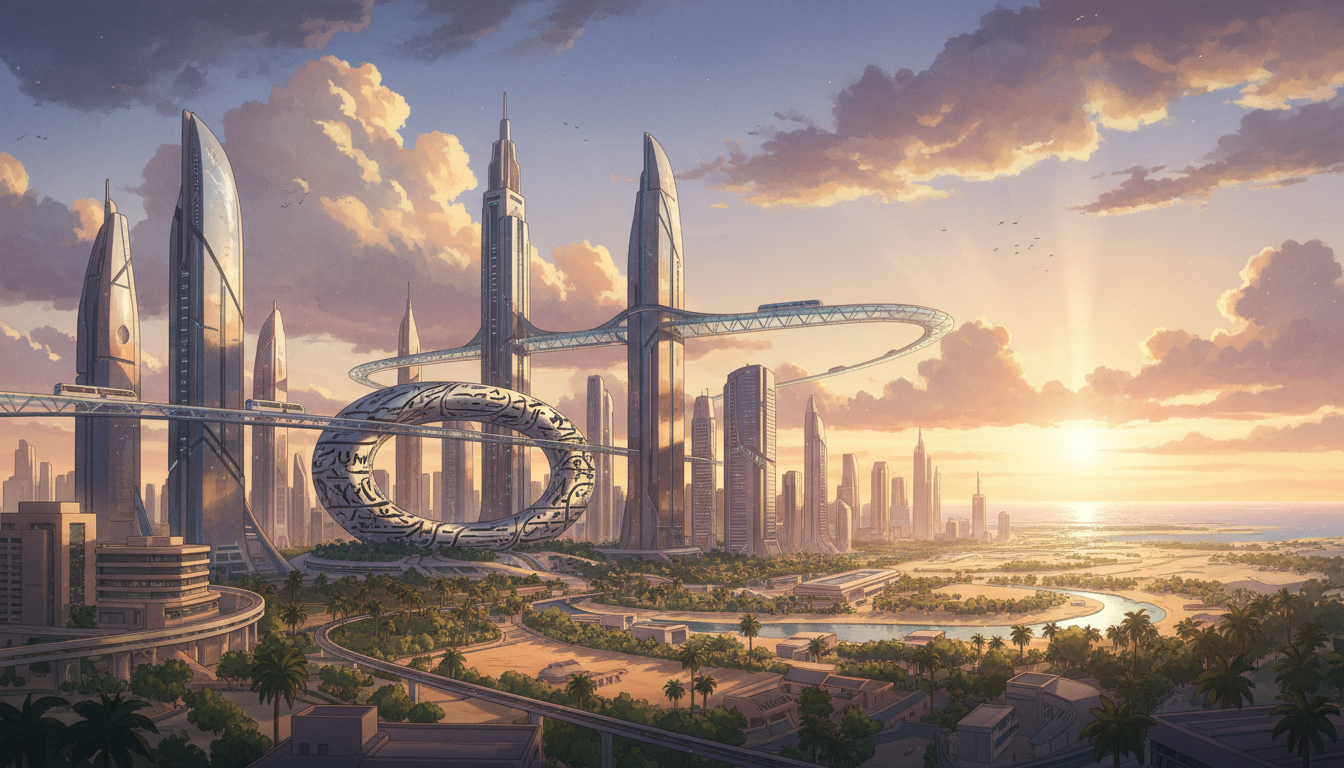
Executive Summary: Why the Museum of the Future Matters to Singapore Travellers & Investors
The Museum of the Future and the wider ecosystem of futuristic Dubai have quickly become global symbols of innovation, technology, and bold city-making – themes that resonate strongly with Singapore residents, frequent Dubai visitors, and international investors comparing the two leading hubs. Opened in 2022 beside Jumeirah Emirates Towers, the Museum of the Future offers immersive experiences on space, climate, AI, wellness, and future cities, housed in an iconic torus-shaped building often called one of the world’s most beautiful structures.[1][7]
This Homejourney guide is written from the lens of a Singapore-based real estate and lifestyle specialist who has visited Dubai repeatedly and navigated both cities’ transport systems, hospitality offerings, and property markets. It is designed for:
- Singapore travellers planning a trip to Dubai’s Museum of the Future and nearby icons like the Dubai Frame
- Expats and investors comparing Dubai’s innovation story with Singapore’s smart-city model
- Dubai-based visitors curious about Singapore property opportunities, using Homejourney’s safe, transparent tools like Property Search and Bank Rates
You will find verified opening hours, ticket prices, on-the-ground logistics, safety and cultural considerations, curated itineraries, and a practical section on how insights from Dubai’s innovation scene can guide your approach to Singapore real estate – with Homejourney as your trusted partner.
1. Destination Overview: Museum of the Future & Futuristic Dubai
1.1 What is the Museum of the Future?
The Museum of the Future is a seven-floor experiential museum in Dubai that explores what the world could look like in the next 50 years, focusing on space travel, climate resilience, AI, robotics, and human wellbeing.[1][2][7] Unlike traditional museums that look backwards, it invites visitors to imagine and co-create possible futures through immersive, story-driven exhibits.
Key facts for planning:
- Location: Adjacent to Jumeirah Emirates Towers on Sheikh Zayed Road, central Dubai, UAE.[8]
- Nearest Metro: Emirates Towers Station (Red Line), connected via a dedicated link bridge – similar in convenience to Singapore’s direct mall–MRT connections.[8]
- Opening hours: 9:30 AM – 9:00 PM daily; last admission 8:00 PM.[8]
- Standard ticket price: AED 169 for visitors aged 4 and above.[8]
- Free entry: Children under 4 and People of Determination with one caregiver (on-site collection with proof).[8]
1.2 Why it Appeals to Singapore Travellers and Investors
For Singaporeans used to visiting URA’s Singapore City Gallery or events like Singapore Design Week, the Museum of the Future feels like a next-level, full-body version of a smart-city showcase. It blends the ambition of Marina Bay’s skyline with the storytelling of ArtScience Museum, but fully dedicated to future worlds.
Several reasons it resonates strongly with Singapore visitors:
- Innovation mindset: Themes around sustainable cities and mobility echo URA and LTA priorities, from car-lite districts to green buildings.
- Real estate parallels: Dubai’s rapid transformation – from desert to high-tech metropolis – invites comparison with Singapore’s HDB–private mix and integrated planning.
- Family friendly: Like Singapore’s Science Centre, the museum features a dedicated children’s zone focused on future skills.[1][2]
- Regional travel hub: Many Singapore travellers route to Europe or Africa via Dubai; adding a half-day here is easy.
1.3 Best Time to Visit the Museum of the Future
The museum is fully air-conditioned, but your overall Dubai experience is shaped by the outdoor climate.
- Best months (weather): November to March – cooler, more comfortable for walking to nearby attractions like the Dubai Frame and outdoor dining.
- Day & time: Morning slots (around 10–11 AM) or late afternoon (4–6 PM) are ideal to avoid peak crowds; evenings offer spectacular views of the illuminated calligraphy façade.[1]
If you’re used to Singapore’s humidity, Dubai’s winter air actually feels drier and more pleasant for walking, but summers can be significantly hotter – plan more indoor time then.
1.4 Getting There from Singapore
Flights from Singapore (SIN) to Dubai (DXB) are typically around 7 hours nonstop, served by full-service carriers. Many Singapore residents choose Dubai either as a dedicated trip or as a multi-city itinerary, similar to pairing Inle Lake in Myanmar with other regional stops, as we discuss in Inle Lake Boat Tour Complete Guide | Homejourney Travel Insights and our other Inle Lake guides.
From Dubai International Airport to the Museum of the Future:
- By Metro: Take the Red Line from DXB to Emirates Towers Station, then follow the link bridge directly to the museum.[8]
- By taxi: Metered taxis are plentiful at the airport. Travel time is roughly 15–25 minutes depending on traffic, similar to a Changi-to-Marina Bay ride.
- By ride-hailing: Local ride-hailing services and app-based limousines are available; always confirm car and driver details for safety.
1.5 Currency, Exchange & Budgeting (for Singapore Travellers)
Dubai uses the UAE Dirham (AED). As of recent ranges, AED is typically close to a fixed band against the USD; many Singaporeans find it easy to benchmark prices against SGD using a mobile app. To plan your property-related or larger financial decisions, you can benchmark AED and SGD side by side using Homejourney’s tools and Singapore mortgage benchmarks on Bank Rates .
Approximate on-the-ground price points near the museum (subject to change):
- Coffee near Sheikh Zayed Road: ~AED 18–25
- Casual lunch: ~AED 40–70 per person
- Standard Museum of the Future ticket: AED 169 per adult (4 years and above).[8]
2. Top Attractions & Innovation Experiences (Including Dubai Frame)
2.1 Inside the Museum of the Future: What to Expect
The Museum of the Future is divided into immersive “chapters” across multiple floors, each focused on a different dimension of the future.[1][2]
| Key Floor / Chapter | Theme | What You’ll Experience | Who Will Love It |
|---|---|---|---|
| OSS Hope (5th floor) | Space station / space travel[2] | Simulation of an orbital space station, future missions, and space resource use.[1][2] | Teens, engineers, space enthusiasts |
| Heal Institute (4th floor) | Environment & biodiversity[2] | Futuristic Amazon rainforest, “Vault of Life” DNA library, climate tech.[1][2] | Families, nature lovers, sustainability professionals |
| Al Waha (3rd floor) | Wellness & human potential[2] | Multisensory spaces focused on mindfulness, body–mind connection. | Stressed professionals, wellness travellers |
| Tomorrow Today | Near-future technologies[7] | Innovations from global companies, prototypes for mobility, energy, and cities. | Founders, investors, urban planners |
| Future Heroes (Children’s World) | Kids-only future skills zone[1][7] | Interactive missions and games designed to spark creativity and collaboration. | Children aged ~4–10 and parents |
Insider tip from a Singapore perspective: Allocate at least 2–3 hours inside.[1] Treat it like a full visit to ArtScience Museum plus parts of Science Centre – you will want time to pause, interact, and take photos of both the exhibits and the architecture.
2.2 Dubai Frame: The Ideal Companion to the Museum of the Future
The Dubai Frame is another striking attraction often paired with the Museum of the Future in one day.[1] Shaped like a giant picture frame, it offers panoramic views of “old” and “new” Dubai from its sky deck, symbolically framing the city’s transformation.
- Location: Zabeel Park, not far by car from the museum.
- Recommended sequence: Many itineraries suggest visiting the Museum of the Future then the Dubai Frame the same afternoon or evening to contrast immersive futures with real city views.[1]
- Experience: Glass-floored sky bridge, galleries about Dubai’s past and future, and excellent photo angles of Downtown Dubai.
This pairing is especially powerful if you are thinking about urban design, investment, or livability trade-offs between Dubai and Singapore. Where the Frame shows the reality of rapid growth, the Museum of the Future explores models of what a resilient, innovation-led city could become.
2.3 Other Innovation-Themed Attractions Around Dubai
To build a full “futuristic Dubai” itinerary around the museum, consider including:
- Burj Khalifa & Downtown Dubai: Observe high-density, mixed-use planning and views reminiscent of looking over Singapore’s CBD and Marina Bay from the SkyPark.
- Dubai Marina & JBR: Master-planned waterfront living, useful as a comparative reference for Singapore’s upcoming Greater Southern Waterfront projects.
- Global Village & Miracle Garden: Themed environments and seasonal attractions that combine entertainment, culture, and design innovation.[1]
2.4 Cultural Experiences for Singapore Visitors
While the Museum of the Future showcases global futures, remember you are in the UAE. Balance high-tech exploration with cultural grounding:
- Al Fahidi Historical Neighbourhood: Wind towers, museums, and traditional architecture; a sharp contrast with the museum’s torus façade.
- Dubai Creek abras: Simple wooden boat rides that feel as authentic and essential as bumboat rides along Singapore River, but at a fraction of the cost.
- Local mosques (viewing from outside or guided tours where permitted): Respectful dress and behaviour required; similar to visiting religious sites in Singapore.
3. Practical Travel Tips for Singapore & International Visitors
3.1 Visa Requirements & Entry
Visa policies depend on your nationality and are subject to change. Many Singapore passport holders and selected nationalities receive visa-on-arrival or visa-free entry for short stays; however, you should always verify with UAE government sources or your airline before departure. For longer stays, work, or business purposes, seek professional immigration advice.
When connecting onward to Singapore, refer to ICA and MOM guidelines for entry, work passes, and long-term visas; these are distinct from Dubai’s rules and should be considered if you are scouting both cities as potential bases.
3.2 Buying Tickets Safely
For a safe, predictable experience – aligned with Homejourney’s own commitment to trusted transactions – buy tickets only from the official Museum of the Future website or reputable ticketing partners.[6][8]
- Advance booking: Highly recommended; tickets are date- and time-specific and can sell out.[8]
- All visitors need a ticket: Even those eligible for free entry (children under 4, People of Determination) must obtain a ticket from Customer Service on arrival.[8]
- Watch for scams: Avoid unofficial resellers and social media offers with unrealistic discounts.
3.3 Getting Around Safely
Dubai’s transport system feels familiar to Singapore residents: modern metro lines, contactless payment, and reliable taxis.
- Dubai Metro: The Red Line is your key route, similar to Singapore’s North-South / East-West Lines for main corridors. Use Emirates Towers Station for direct museum access.[8]
- Walking: Within the museum and its immediate surroundings walking is comfortable in cooler months, but pedestrian infrastructure can feel more car-oriented than Singapore. Always use designated crossings.
- Taxis & ride-hailing: Safe and regulated; verify plate numbers and driver details, similar to good practices around Singapore’s Grab or Gojek trips.