
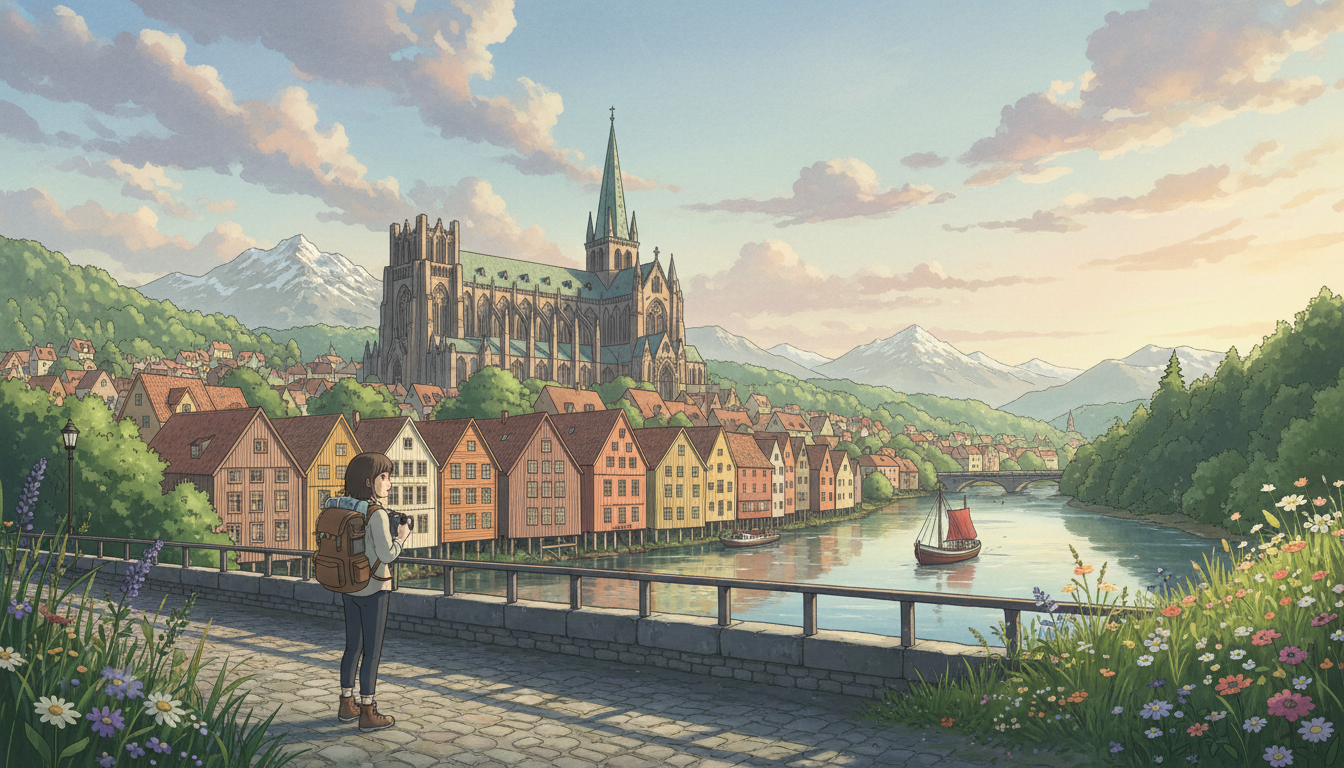
Executive Summary: This is the most comprehensive, up-to-date Trondheim Norway Complete Visitor Guide for 2025, written specifically for Singaporeans and international travelers. Whether you’re planning a short city break, a cultural deep dive into Norwegian history, or considering Trondheim as a potential base in central Norway, this guide covers everything: must-see attractions like Nidaros Cathedral and Bakklandet, practical travel tips, food, accommodation, itineraries, and how Trondheim compares to Singapore for lifestyle and property investment. At Homejourney, we combine travel expertise with real estate insight to help you explore the world safely and make informed decisions, whether you’re booking a hotel or thinking about a second home in Asia.
Why Visit Trondheim, Norway?
Trondheim, Norway’s third-largest city, is a captivating blend of deep Norwegian history, vibrant student life, and stunning natural surroundings in central Norway. Unlike the more tourist-heavy Oslo or Bergen, Trondheim offers a more authentic, relaxed Scandinavian experience while still being well-connected and easy to navigate.
Founded in 997 AD by Viking King Olav Trygvasson, Trondheim was Norway’s first capital and remains the country’s spiritual heart, home to the magnificent Nidaros Cathedral. This cathedral is not just an architectural marvel; it’s the northernmost medieval cathedral in the world and the traditional coronation and burial site of Norwegian kings, making it a cornerstone of Norwegian history.
For Singaporeans, Trondheim is a refreshing contrast: a compact, walkable city where nature is never far away. The Nidelva River cuts through the city, lined with colorful warehouses in Bakklandet and the historic Trondheim Wharf. The city is surrounded by forests and fjords, offering easy access to hiking, kayaking, and winter sports.
Trondheim is also a major university city, home to the Norwegian University of Science and Technology (NTNU), which gives it a youthful, innovative energy. This mix of ancient history, modern culture, and outdoor adventure makes Trondheim one of Norway’s most rewarding destinations for a complete visitor experience.
Best Time to Visit Trondheim
Trondheim’s climate is maritime, with relatively mild winters and cool summers compared to other parts of Norway. The best time to visit depends on what you want to experience:
Summer (June–August)
This is peak season in Trondheim. Days are long, with up to 18–20 hours of daylight in June and July, and temperatures typically range from 15–20°C (59–68°F). It’s ideal for sightseeing, walking around Bakklandet, visiting Nidaros Cathedral, and enjoying outdoor activities like kayaking on the Nidelva River.
Summer is also festival season. The city hosts events like the Trondheim Jazz Festival and various cultural happenings. However, this is when prices for flights and accommodation are highest, and popular attractions can be busy.
Shoulder Seasons (May & September)
May and September are excellent times to visit. The weather is still pleasant, with temperatures around 10–15°C (50–59°F), and there are fewer crowds. In September, you can enjoy the autumn colors in Bymarka forest and around the city.
These months are perfect for a more relaxed Trondheim Norway Complete Visitor Guide experience, with good conditions for walking tours, visiting museums, and exploring central Norway without the peak-season prices.
Winter (December–February)
Winter in Trondheim is cold, with temperatures often between -5°C and 0°C (23–32°F), and regular snowfall. The days are short, with only about 6 hours of daylight in December, but the city takes on a magical, fairy-tale atmosphere.
Winter is great for experiencing Norwegian culture: Christmas markets, ice skating, and cozy cafés. It’s also a good time to visit Nidaros Cathedral, which looks especially atmospheric in the snow. If you’re interested in winter sports, Trondheim is a gateway to skiing and snowshoeing in the surrounding hills and forests.
Spring (March–April)
Spring is a transitional period. Snow begins to melt, and the city slowly comes back to life. Temperatures rise from around 0°C in March to 10°C in April. It can still be cold and wet, but it’s a quieter time to visit, with lower prices and fewer tourists.
For a balanced Trondheim Norway Complete Visitor Guide, we recommend late May to early September for the best weather and longest days, or December for a unique winter experience.
Getting to Trondheim from Singapore
There are no direct flights from Singapore to Trondheim, so you’ll need to connect via a major European hub. The most common routes are:
- Singapore to Oslo (OSL) or Copenhagen (CPH), then to Trondheim (TRD): Airlines like Singapore Airlines, Norwegian, SAS, and Lufthansa operate flights from Singapore to Oslo or Copenhagen. From there, you can take a short domestic flight to Trondheim Airport Værnes (TRD), which takes about 1–1.5 hours.
- Singapore to Stockholm (ARN), then to Trondheim: Another option is to fly to Stockholm and connect to Trondheim, though this is less common.
Flight time from Singapore to Oslo is around 11–12 hours, plus connection time. Total travel time from Singapore to Trondheim is typically 14–18 hours, depending on layover duration.
From Trondheim Airport Værnes, you can reach the city center by:
- Train: The airport train (Flytoget or regional trains) runs frequently to Trondheim S (Trondheim Central Station) in about 30–40 minutes. This is the most convenient and scenic option.
- Bus: Airport buses also operate to the city center, taking about 45–60 minutes.
- Taxi: Taxis are available but expensive; expect to pay around 400–600 NOK (about SGD 50–75) to the city center.
For Singaporeans, it’s wise to book flights well in advance, especially for summer or winter holidays, to get the best fares. Consider using flight comparison tools and checking for package deals that include accommodation.
Currency, Costs & Money-Saving Tips
Norway uses the Norwegian krone (NOK). As of late 2025, 1 SGD is roughly equivalent to 7–8 NOK, though exchange rates fluctuate. Credit cards (Visa, Mastercard) are widely accepted in Trondheim, even for small purchases, so you don’t need to carry large amounts of cash.
Trondheim is expensive by global standards, but slightly cheaper than Oslo. Here’s a rough idea of costs for a Singaporean traveler:
Daily Budget (per person)
- Budget: 1,000–1,500 NOK (SGD 125–190) – hostels, self-catering, public transport, free attractions.
- Moderate: 1,500–2,500 NOK (SGD 190–310) – mid-range hotels, some restaurants, occasional taxis, paid attractions.
- Luxury: 2,500+ NOK (SGD 310+) – upscale hotels, fine dining, tours, taxis.
Sample Prices in Trondheim (2025)
| Item | Price (NOK) | Approx. SGD |
|---|---|---|
| Single metro ticket | 38–45 | 5–6 |
| Monthly public transport pass | 750–850 | 95–110 |
| Hostel dorm bed (per night) | 400–600 | 50–75 |
| Mid-range hotel room (per night) | 1,200–2,000 | 150–250 |
| 3-course restaurant meal | 400–600 | 50–75 |
| Coffee in café | 40–60 | 5–8 |
| Beer in bar | 70–100 | 9–13 |
| Nidaros Cathedral entrance (optional donation) | Free (donation suggested) | Free |
| Museum entry (e.g., Sverresborg, Rockheim) | 120–180 | 15–23 |
Money-Saving Tips for Singaporeans
- Use public transport: Trondheim has an excellent tram (Graakallbanen) and bus network. A day pass or multi-day pass is cost-effective for sightseeing.
- Eat like a local: Look for lunch specials (dagens rett) at restaurants, which are much cheaper than dinner. Supermarkets like Rema 1000, Kiwi, and Coop are great for self-catering.
- Free attractions: Many of Trondheim’s best experiences are free: walking around Bakklandet, visiting Nidaros Cathedral (donation-based), strolling the Old Town Bridge, and exploring Bymarka forest.
- Travel off-peak: Visiting in May, September, or early spring can save significantly on flights and accommodation compared to summer.
- Book in advance: Accommodation and popular tours are cheaper when booked early, especially for summer and winter holidays.
At Homejourney, we always recommend checking the latest exchange rates and using a multi-currency card or travel card to avoid high foreign transaction fees, especially if you’re considering property investment in multiple countries.
Top Attractions & Must-Do Experiences
Trondheim is packed with history, culture, and nature. Here are the must-see attractions for any Trondheim Norway Complete Visitor Guide.
1. Nidaros Cathedral (Nidarosdomen)
The heart of Trondheim and Norwegian history, Nidaros Cathedral is a stunning Gothic cathedral built over the burial site of St. Olav, Norway’s patron saint. Construction began in 1070, making it one of the oldest and most important churches in Scandinavia.
Key highlights:
- Architecture: Marvel at the intricate stone carvings, rose windows, and towering spires. The cathedral took over 200 years to complete and has been meticulously restored.
- Interior: The nave, choir, and chapels are richly decorated. Guided tours explain the cathedral’s role in Norwegian coronations and religious history.
- Tower climb: For a small fee, you can climb the tower for panoramic views of Trondheim and the surrounding hills.
- Practical info: Open daily; entry is by voluntary donation (around 100–150 NOK). Dress modestly and remove hats. Photography is allowed, but no flash in the main worship areas.
For Singaporeans, Nidaros Cathedral offers a profound sense of history and scale that’s very different from Southeast Asian temples and churches. It’s a must-visit for anyone interested in Norwegian history and central Norway’s cultural heritage.
2. Bakklandet & the Old Town Bridge (Gamle Bybro)
Bakklandet is Trondheim’s most picturesque neighborhood, a charming area of colorful wooden houses along the Nidelva River. Connected by the iconic red Old Town Bridge (Gamle Bybro), it’s often called the “Portal of Happiness” and is one of the most photographed spots in Norway.
What to do:
- Walk the bridge: Cross Gamle Bybro for classic views of Bakklandet’s warehouses and the river. It’s especially beautiful in summer and magical when covered in snow.
- Explore Bakklandet: Wander the cobbled streets, browse boutique shops, and relax in cozy cafés and restaurants. Many buildings date back to the 17th–19th centuries.
- Local tip: Visit in the early morning or late evening to avoid crowds and capture the best light for photos.
Bakklandet is a perfect example of Trondheim’s blend of history and modern life, and it’s a highlight of any Trondheim Norway Complete Visitor Guide.
3. Sverresborg Trøndelag Folk Museum
This open-air museum is a living museum of Norwegian history, with over 80 historic buildings from Trøndelag region, including farmsteads, city houses, and a stave church. It’s located on the site of King Sverre’s medieval fortress, with great views over Trondheim.
Highlights:
- Historic buildings: Walk through traditional homes, workshops, and a schoolhouse to see how Norwegians lived in the past.
- Stave church: A beautifully preserved stave church is one of the museum’s centerpieces.
- Seasonal events: The museum hosts traditional festivals, craft demonstrations, and Christmas markets.
- Practical info: Open daily in summer; reduced hours in winter. Entry fee around 150–180 NOK. Easily reached by bus or a scenic walk from the city center.
For families and history lovers, Sverresborg is a fantastic way to dive deep into Norwegian history and rural life.