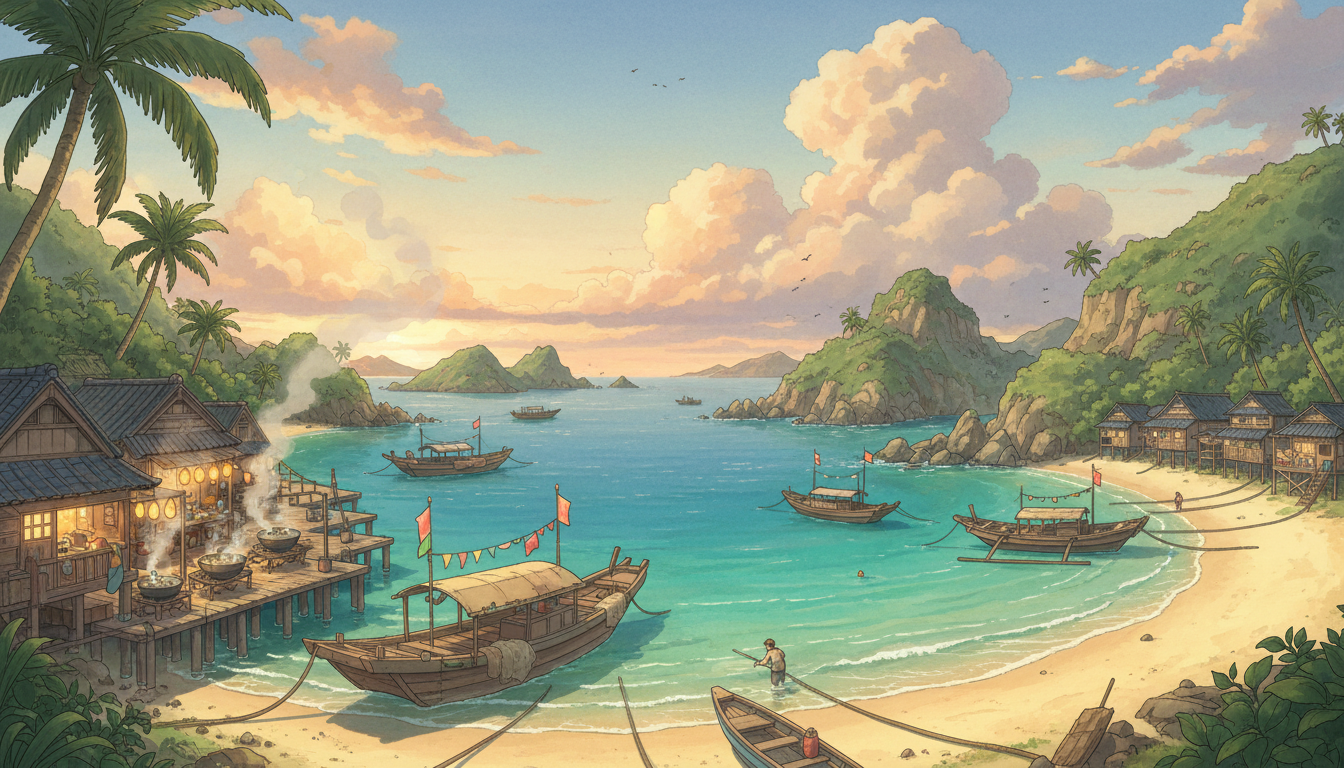
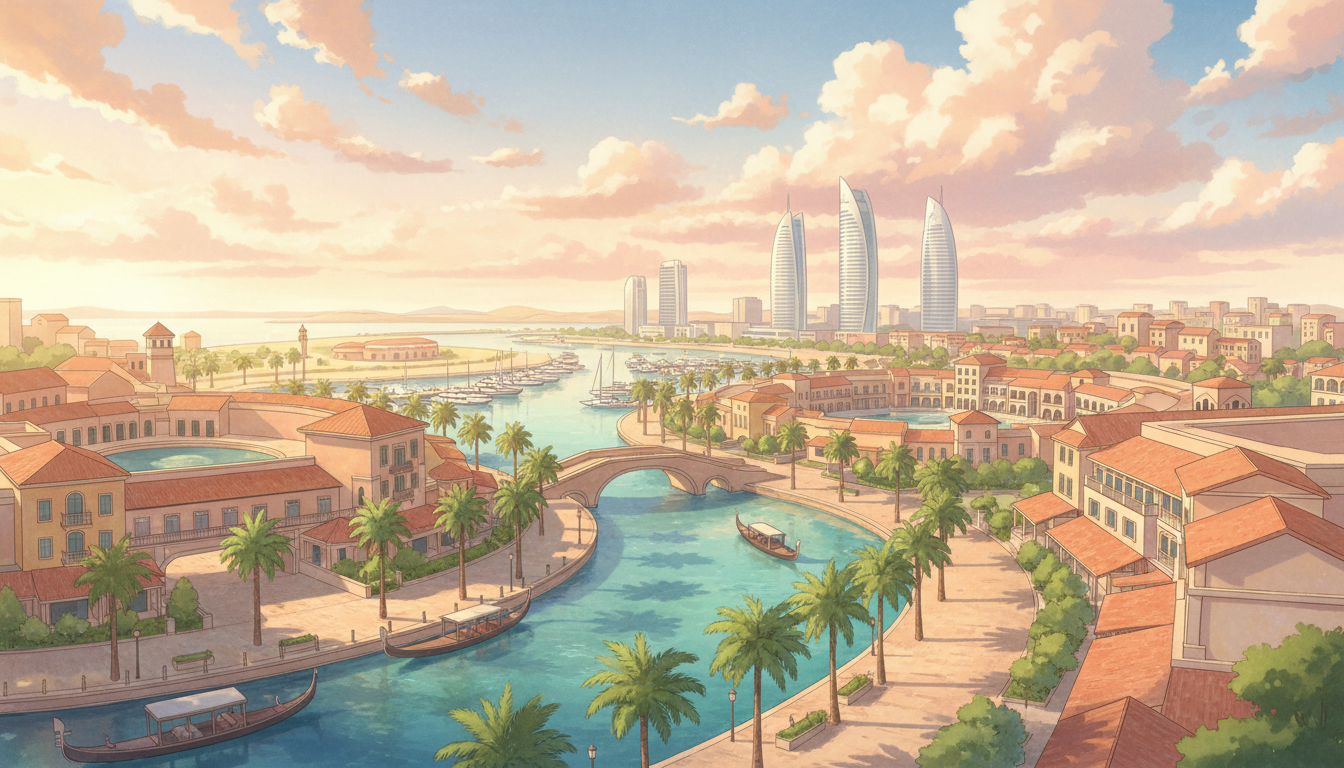
The Pearl Qatar is Qatar's premier man-made island, a 4-square-kilometer reclaimed paradise off Doha's West Bay, blending luxury residences, marinas, and Venice-inspired canals for 52,000 residents and 15 million annual visitors.[1][2]
As Homejourney, Singapore's trusted real estate platform prioritizing user safety and transparency, we bring you this exhaustive guide. Whether you're a Singapore investor eyeing diversification, an expat comparing Asian hubs, or a traveler inspired by Pearl Island Doha, this pillar covers everything from property ownership to itineraries. Explore with confidence, backed by verified data and practical insights.[1][6]
Word count: ~3,500. Last updated for 2025 insights.
Table of Contents
- 1. Destination Overview
- 2. Top Attractions & Experiences
- 3. Practical Travel Tips
- 4. Accommodation Guide
- 5. Food & Dining
- 6. Itinerary Suggestions
- 7. Connecting The Pearl Qatar to Singapore Opportunities
- 8. FAQ
1. Destination Overview
The Pearl Qatar, often called Qatar's Riviera, is a $15 billion mixed-use development on reclaimed land from a historic pearl-diving site, 350 meters offshore Doha's West Bay Lagoon.[1][3][6] Spanning 4 million square meters, it created 32 km of new coastline with two bays resembling a pearl necklace.[4][5]
Developed by United Development Company (UDC), it's Qatar's first freehold project for foreigners, aligning with Qatar National Vision 2030 for economic diversification.[1][2] Home to 52,000 residents by 2024, it features 25,000 planned units at 11,250 persons/km² density.[1]
Why Visit The Pearl Qatar?
This artificial island offers luxury shopping in Doha, waterfront living, and Mediterranean vibes in the Gulf. Unlike sterile developments, it's a vibrant community with schools, clinics, and cinemas.[2][5] Singapore travelers appreciate its walkability, echoing Marina Bay Sands' polish but with private beaches.
Insider tip: Visit during cooler months for flamingo spotting in eco-parks—Qatar's sustainability focus uses treated water cooling and EV stations.[2]
Best Time to Visit
November to March (20-30°C) avoids summer heat (up to 45°C). Qatar's 2022 FIFA legacy boosts year-round events.[2]
Getting There from Singapore
Fly Singapore Airlines or Qatar Airways (7-8 hours, S$800-1,500 return). From Doha Airport (15km), take a 20-minute taxi (QAR 50/~S$18) to West Bay, then shuttle or Karwa bus to The Pearl Qatar. Visa on arrival for Singaporeans (free, 30 days).[6]
2. Top Attractions & Experiences
Pearl Island Doha divides into 10 districts like Qanat Quartier (Venice replica) and Porto Arabia (yacht marina).[1][7]
Must-See Landmarks
- Qanat Quartier: Pastel houses, Rialto Bridge replica, 15 bridges over canals, 977 apartments, 188 townhouses.[7]
- Porto Arabia: Luxury yachts, cafes, promenades—first phase completed 2009.[2]
- Viva Bahriya: Private beaches, water sports.[2]
- Isola Dana: Royal enclave (view-only).[5]
Cultural Experiences & Hidden Gems
Stroll pedestrian plazas evoking pearl-diving heritage. Hidden gem: Quiet beaches for birdwatching (flamingos).[2] Evening light shows on marinas rival Singapore's Spectra.
Luxury shopping Doha at Marsa Malaz or retail strips with 320,000 sq ft space.[7]
| District | Key Features | Best For |
|---|---|---|
| Qanat Quartier | Canals, bridges, townhouses | Romantic walks |
| Porto Arabia | Yachts, dining | Luxury lifestyle |
| Viva Bahriya | Beaches, sports | Families |
3. Practical Travel Tips
Visa & Entry
Singapore passports get 30-day visa-free. Check FAQ for extensions.
Transportation
Island shuttles free for residents/visitors; taxis QAR 10/km. Rent e-bikes for eco-friendly exploration.[2] Doha Metro (Lusail line) connects nearby.
Safety & Currency
Extremely safe—cleaner than many Singapore neighborhoods.[2] QAR (1 QAR ~ S$0.36); exchange at airport or use cards. Homejourney supports QAR conversions for investors via Bank Rates .
Money-saving: Buy multi-day passes for marinas (QAR 100/day).
4. Accommodation Guide
Choose by budget in The Pearl Qatar's towers, villas, hotels.
| Budget | Recommendation | Price/Night (QAR) | Highlights |
|---|---|---|---|
| Luxury | Kempinski Resort, Qanat Quartier | 1,500+ | Marina views[7] |
| Mid-Range | Porto Arabia Apartments | 800-1,200 | Walk to shops |
| Budget | Viva Bahriya Guesthouses | 400-700 | Beach access |
Freehold properties start at QAR 2M (~S$900K) for apartments—attractive for Singapore investors diversifying from HDB/URA constraints.
5. Food & Dining
Luxury shopping Doha pairs with fine dining: Try pearl-inspired seafood at Porto Arabia or Italian along Qanat canals.[2]
- High-end: IDAM by Alain Ducasse (QAR 500/meal).
- Casual: Beach cafes in Viva Bahriya (QAR 50).
- Local: Qatari machboos rice at markets.
Insider: Sunset iftars in Ramadan for authentic flavors.
6. Itinerary Suggestions
3-Day Itinerary
- Day 1: Arrive, Qanat Quartier canals stroll, Kempinski dinner.
- Day 2: Porto Arabia yacht gazing, shopping, beach time.
- Day 3: Viva Bahriya sports, depart.
5-Day Itinerary
Extend with Souq Waqif day trip (20min taxi) and Lusail City exploration.
7. Connecting The Pearl Qatar to Singapore Opportunities
For The Pearl Qatar visitors eyeing Asian real estate, Singapore offers stable diversification. With freehold like Qatar's model but URA-regulated, compare via Homejourney's Property Search .
Currency: QAR to SGD stable; check Bank Rates for mortgages. Expats from Doha appreciate Singapore's safety—explore Projects Directory for Marina Bay analogs. Homejourney verifies listings for trust, like our aircon maintenance via Aircon Services . See property comparisons in 从香港移居新加坡指南:Homejourney房产买家全攻略 .
8. FAQ
What is The Pearl Qatar?
A 4km² artificial island off Doha with luxury living, first for foreign freehold.[1][6]
Can foreigners buy property in The Pearl Qatar?
Yes, freehold since early 2000s.[2]
Best time to visit Pearl Island Doha?
Nov-Mar for mild weather.[2]
How to get from Singapore to The Pearl Qatar?
7-8hr flight, then 30min transfer.
Is The Pearl Qatar family-friendly?
Yes, with schools, parks, beaches.[5]
Qanat Quartier vs Porto Arabia?
Qanat: Canals/romance; Porto: Yachts/luxury.[7]
Next Steps with Homejourney: Search safe Singapore properties at Property Search . Contact verified agents for Doha-Singapore advice. Your trusted journey starts here—feedback drives our transparency.