
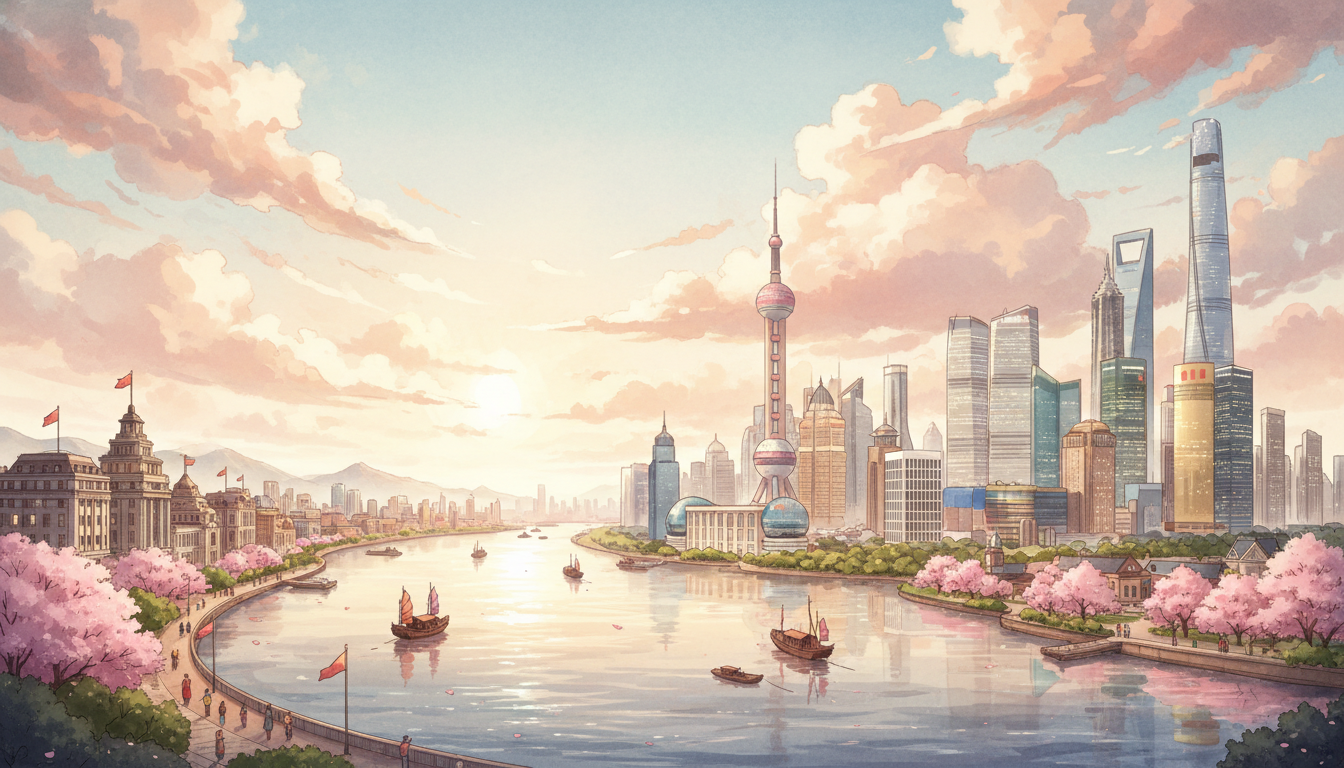
Executive Summary: This is the definitive, deeply researched guide to things to do in Shanghai China, written specifically for Singaporeans and international travelers. Whether you’re planning a short holiday, a long-term stay, or exploring property investment opportunities in Asia, this guide covers everything: top attractions, local food, practical tips, itineraries, and how Shanghai compares to Singapore for living and investing. At Homejourney, we prioritize user safety, trust, and verified information so you can explore with confidence.
Why Visit Shanghai, China?
Shanghai is one of Asia’s most dynamic cities, where ancient traditions meet futuristic skyscrapers. For Singaporeans, it’s a fascinating contrast: a city that feels both familiar (in its efficiency and modernity) and refreshingly different (in its scale, history, and cultural depth).
Shanghai is China’s financial capital, home to the Shanghai Stock Exchange, multinational HQs, and a booming tech scene. But it’s also a city of gardens, temples, art districts, and some of the best food in China. Whether you’re here for business, tourism, or to explore property investment opportunities, Shanghai offers a rich, layered experience.
From a Singaporean perspective, Shanghai is a great gateway to understanding mainland China. Flights from Singapore to Shanghai are frequent and relatively short (around 5–6 hours), and the city is very expat-friendly with good infrastructure, English signage in tourist areas, and a wide range of accommodation options.
Best Time to Visit Shanghai
The ideal time to visit Shanghai is during spring (March–May) and autumn (September–November). These seasons offer mild temperatures, lower humidity, and fewer crowds compared to peak summer and major Chinese holidays.
Seasonal Breakdown:
- Spring (March–May): 10–22°C, cherry blossoms in parks, pleasant for walking and sightseeing.
- Summer (June–August): 25–35°C, hot and humid, frequent rain. Best for indoor attractions and air-conditioned malls.
- Autumn (September–November): 15–25°C, clear skies, comfortable for outdoor activities.
- Winter (December–February): 0–10°C, cold and sometimes damp, but fewer tourists and lower prices.
Key Travel Periods to Avoid (if possible):
- Chinese New Year (late Jan–Feb): Many shops and restaurants close, transport is crowded.
- National Day (October 1–7): Major holidays mean packed attractions and higher prices.
- May Day (May 1–5): Similar to National Day, expect crowds.
For Singaporeans used to tropical weather, Shanghai’s winter can feel surprisingly cold and damp. Pack layers, a good jacket, and indoor shoes that dry quickly.
Getting to Shanghai from Singapore
Shanghai is well-connected to Singapore with multiple daily flights from Changi Airport (SIN) to both Shanghai Pudong (PVG) and Shanghai Hongqiao (SHA).
Flight Options (as of 2025):
- Singapore Airlines, Scoot, China Eastern, Air China, Sichuan Airlines all operate direct flights.
- Flight Duration: ~5.5–6 hours non-stop.
- Best Airport for Tourists: Pudong (PVG) for international flights; Hongqiao (SHA) for domestic connections and proximity to the city center.
From Airport to City:
- Pudong Airport (PVG): Maglev train (8 minutes to Longyang Road, then transfer to Metro Line 2), Metro Line 2, or taxi (~1 hour, ~¥150–200).
- Hongqiao Airport (SHA): Direct Metro Line 2 and 10, or taxi (~30 minutes, ~¥100).
For Singaporeans, the Shanghai Metro is very similar to the MRT: clean, efficient, and well-signposted in English. Download the Metro app or use Google Maps (with a local SIM or eSIM) for real-time navigation.
Currency and Money Tips for Singaporeans
Shanghai uses the Chinese Yuan (CNY, ¥). As of late 2025, 1 SGD ≈ 5.3–5.5 CNY, but check live rates before your trip.
Payment in Shanghai:
- Mobile Payments: WeChat Pay and Alipay dominate. Most shops, restaurants, and even street vendors prefer these over cash or cards.
- Credit Cards: Accepted in hotels, large malls, and international chains, but not widely in small shops or hawker-style eateries.
- Cash: Still useful for small vendors, temples, and some taxis. Keep small denominations (¥1, ¥5, ¥10, ¥20).
For Singaporeans:
- Link your Singapore bank card to WeChat Pay or Alipay before arrival (some banks support this).
- Carry some SGD to exchange at Changi or at reputable exchange counters in Shanghai (avoid street changers).
- Use a multi-currency card or digital wallet for better exchange rates and lower fees.
At Homejourney, we understand that managing money across currencies is important, especially if you’re considering property investment in Asia. Our platform supports multiple currencies and helps you compare costs transparently, whether you’re looking at a holiday home in Shanghai or a long-term investment in Singapore.
Top Attractions in Shanghai
Shanghai is packed with iconic sights that define the city’s skyline and character. Here are the must-visit attractions for any first-time visitor.
1. The Bund (Waitan)
The Bund is Shanghai’s most famous waterfront promenade, stretching along the Huangpu River. On one side, you have colonial-era buildings from the 1920s–30s; on the other, the futuristic Pudong skyline with the Oriental Pearl Tower, Shanghai Tower, and Jin Mao Tower.
Insider Tip: Visit at night for the best views. The skyline lights up around 6–7 PM, creating a stunning contrast. For a quieter experience, walk north towards North Bund or south towards Yan’an Road.
Practical Info:
- Nearest MRT: East Nanjing Road (Line 2, 10, 12)
- Free to walk along the Bund
- Best time: Sunset to early evening
2. Yu Garden & Bazaar
Yu Garden (Yuyuan) is a classical Chinese garden built in the Ming Dynasty (1559–1577). It’s a peaceful oasis with pavilions, koi ponds, rockeries, and winding paths.
Next to the garden is the Yu Garden Bazaar, a bustling market with traditional architecture, souvenirs, and famous street food like xiaolongbao (soup dumplings) and candied hawthorn.
Insider Tip: Visit early in the morning (around 8–9 AM) to avoid the biggest crowds. The Nine Turn Bridge and Huxinting Teahouse are great photo spots.
Practical Info:
- Entrance: ~¥40–50 (garden only)
- Opening: ~8:30 AM–5:30 PM (varies by season)
- Nearest MRT: Yuyuan Garden (Line 10)
3. Oriental Pearl TV Tower
At 468 meters, the Oriental Pearl is one of Shanghai’s most recognizable landmarks. It offers panoramic views from multiple observation decks, a revolving restaurant, and a small Shanghai History Museum at the base.
Insider Tip: Buy tickets online in advance to skip queues. The lower observation deck (263m) is usually sufficient for views; the higher ones are more expensive and not always worth it.
Practical Info:
- Entrance: ~¥120–180 (depending on level)
- Opening: ~8:00 AM–9:30 PM
- Nearest MRT: Lujiazui (Line 2)
4. Shanghai Tower
At 632 meters, Shanghai Tower is the tallest building in China and the second tallest in the world. Its observation deck on the 118th floor offers breathtaking 360-degree views of the city.
Insider Tip: Go around sunset for the best light. Check the weather forecast—clear days make a huge difference. Combine with a visit to the nearby Shanghai World Financial Center and Jin Mao Tower for a full Pudong skyline experience.
Practical Info:
- Entrance: ~¥180–220
- Opening: ~9:00 AM–10:00 PM
- Nearest MRT: Lujiazui (Line 2)
5. Nanjing Road Pedestrian Street
Nanjing Road is Shanghai’s most famous shopping street, stretching from the Bund to People’s Square. It’s a mix of luxury brands, department stores, and local shops, with constant crowds and neon lights.
Insider Tip: Visit in the evening for the full atmosphere. For a quieter shopping experience, explore the side streets and alleys, or head to nearby West Nanjing Road for more upscale boutiques.
Practical Info:
- Free to walk
- Open all day, but best at night
- Nearest MRT: People’s Square (Line 1, 2, 8) or East Nanjing Road (Line 2, 10, 12)
6. People’s Square & People’s Park
People’s Square is the political and cultural heart of Shanghai, surrounded by major museums, theaters, and government buildings. People’s Park next door is a green oasis where locals practice tai chi, dance, and socialize.
Insider Tip: Visit the Shanghai Museum (free, but requires online booking) for one of the best collections of Chinese art in the world. The park is especially lively on weekends.
Practical Info:
- Shanghai Museum: Free, open Tue–Sun
- Nearest MRT: People’s Square (Line 1, 2, 8)
7. Xintiandi & Tianzifang
Xintiandi is a restored shikumen (stone-gate) neighborhood turned into a high-end dining and entertainment district. Tianzifang is a more artsy, maze-like area with small galleries, boutiques, and cafes.
Insider Tip: Xintiandi is great for a stylish dinner; Tianzifang is better for browsing and casual drinks. Both are very photogenic, especially in the evening.
Practical Info:
- Free to walk around
- Nearest MRT: Xintiandi (Line 10) or South Huangpi Road (Line 1)
Cultural Experiences & Local Life
Shanghai isn’t just about skyscrapers and shopping. To truly experience the city, dive into its culture, history, and daily life.
1. Huangpu River Cruise
A river cruise along the Huangpu is one of the best ways to see Shanghai’s skyline. Day cruises offer a daytime perspective; night cruises are more popular for the illuminated skyline.
Insider Tip: Opt for a dinner cruise if you want a more relaxed experience. Standard sightseeing cruises are cheaper and run frequently from the Bund.
Practical Info:
- Cost: ~¥50–150 for standard cruise, ~¥200–400 for dinner cruise
- Duration: 45–60 minutes
- Departure: Bund area (near Chenyi Square or Yan’an Road)
2. Visit a Temple
Shanghai has several beautiful temples that offer a peaceful escape from the city.
Recommended Temples:
- Jing’an Temple: In the heart of the city, surrounded by skyscrapers. Famous for its golden Buddha and incense.
- Longhua Temple: One of Shanghai’s oldest temples, with a pagoda and beautiful halls.
- City God Temple: Near Yu Garden, part of the old town area.
Practical Info:
- Entrance: ~¥10–30
- Opening: ~8:00 AM–4:30 PM
- Dress modestly and be respectful of worshippers.
3. Explore the French Concession
The former French Concession is one of Shanghai’s most charming neighborhoods, with tree-lined avenues, colonial villas, and a relaxed café culture.
Insider Tip: