
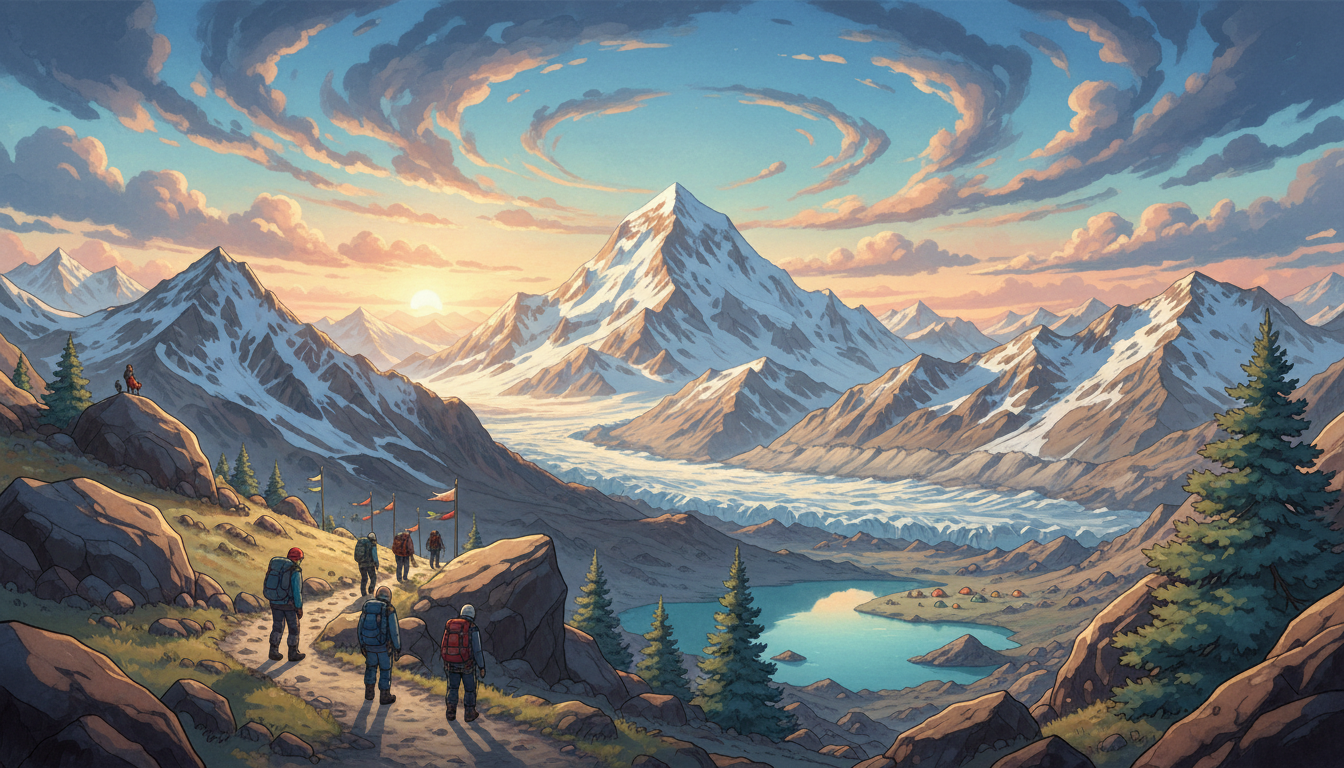
Pakistan trekking and mountaineering offer some of the most dramatic landscapes on earth, from K2 Base Camp in the Karakoram to Nanga Parbat and the lush valleys of Hunza and Gilgit-Baltistan. For Singapore-based travellers, expats, and global investors, this guide by Homejourney brings together first-hand experience, safety-focused planning, and practical links to Singapore property and lifestyle decisions.
Having trekked in northern Pakistan and helped Singapore clients plan both their adventure Pakistan itineraries and their long-term housing needs back home, I’ve seen how the right information can make the difference between a stressful trip and a life‑changing journey. This definitive Pakistan trekking and mountaineering guide is written to the same safety‑first, verification‑driven standards that Homejourney applies to Singapore real estate.
Table of Contents
- 1. Why Pakistan for Trekking and Mountaineering
- 2. Key Trekking & Mountaineering Regions (Including K2 Base Camp)
- 3. Best Time to Visit Pakistan for Trekking & Climbing
- 4. Getting There from Singapore & Entry Basics
- 5. Safety, Security & Regulations for Pakistan Trekking
- 6. Essential Gear, Fitness & Altitude Preparation
- 7. Sample Itineraries: From Scenic Treks to K2 Base Camp
- 8. Costs, Budgeting & Currency Tips (SGD vs PKR)
- 9. Accommodation: Cities, Base Towns & on the Trail
- 10. Food, Culture & Local Etiquette for Trekkers
- 11. Connecting Pakistan Adventures to Singapore Real Estate
- 12. Practical Planning Checklists
- 13. Pakistan Trekking & Mountaineering FAQ (Singapore-focused)
1. Why Pakistan for Trekking and Mountaineering
Pakistan is one of the world’s premier high‑altitude trekking and mountaineering destinations. The Karakoram, Himalaya and Hindu Kush ranges converge here, with five 8,000‑metre peaks (including K2, Nanga Parbat and Broad Peak) and countless 6,000–7,000‑metre summits.[1][6] For trekkers used to Nepal, Pakistan feels wilder, less commercialised, and more sparsely visited, especially on classic routes like the Baltoro Glacier and K2 Base Camp.[1][6]
From a Singapore perspective, Pakistan offers:
- World‑class mountain scenery: vertical granite towers, vast glaciers and deep river valleys that are visually on par with the Alps and Himalaya.[6][8]
- Lower crowd levels: even marquee routes like K2 Base Camp see far fewer visitors than Everest Base Camp.[2][8]
- Relatively affordable costs: on‑ground expenses can be significantly cheaper than Europe or North Asia once flights are covered.[5][6]
- Rich culture: from the Ismaili communities of Hunza to Pashtun hospitality in the north‑west, interactions are often a highlight of the trip.[5][6]
For Singaporeans used to urban life and controlled environments, Pakistan trekking is a step into genuine wilderness. That makes robust planning, safety checks and reliable partners essential—values that align closely with how Homejourney approaches property decisions in Singapore.
2. Key Trekking & Mountaineering Regions (Including K2 Base Camp)
2.1 Karakoram: K2, Baltoro Glacier & Concordia
The Karakoram is the heart of Pakistan’s high‑altitude mountaineering scene, home to K2 (8,611m), Broad Peak, Gasherbrum I & II and iconic trekking routes.[1][8]
- K2 Base Camp & Concordia Trek
Start/End: Skardu – Askole – Baltoro Glacier – Concordia – K2 Base Camp (approx. 5,000m)[1][8]
Duration: ~14–20 days trekking (plus acclimatisation and buffer days)
Difficulty: Strenuous; long days on glacier and moraine, basic camping.
Highlights: Views of K2, Broad Peak, the Gasherbrums; standing at Concordia, known as the “throne room of the mountain gods”.[8]
Access to the K2 area is controlled by the Pakistani army and special permits are required; reputable agencies handle this process.[1][9] Some seasons see discussion of increased climbing fees, though authorities have recently eased proposed hikes to encourage tourism.[2]
2.2 Nanga Parbat & Fairy Meadows
Nanga Parbat (8,126m) is the world’s 9th‑highest mountain and a major objective for both climbers and trekkers.[6] The Fairy Meadows approach offers a more accessible taste of high‑altitude scenery.
- Fairy Meadows & Nanga Parbat Base Camp Trek
Start: Raikot Bridge on the Karakoram Highway, then jeep track to Tato village and hike to Fairy Meadows.[6][7]
Difficulty: Moderate for Fairy Meadows; more demanding from there to the base camp due to altitude and terrain.
Highlights: Alpine meadows, lodge‑based stays, panoramic views of Nanga Parbat’s north face.[6]
Security in the region is much improved but you may be assigned an armed guard for certain stretches such as Fairy Meadows; this is standard precaution, not a sign of immediate danger.[7]
2.3 Hunza, Gilgit & the Karakoram Highway
Hunza Valley, along the Karakoram Highway (KKH), is often the first stop for many travellers due to its mix of accessibility and jaw‑dropping views.[5][8]
- Popular Treks: Passu Glacier, Batura Glacier viewpoint, Ultar Meadows, Rakaposhi Base Camp, Hopar Glacier in nearby Nagar Valley.[5][6][8]
- Why it suits Singapore travellers: A good place to acclimatise gradually, with road access, guesthouses, and easier day treks before committing to multi‑week expeditions.[5][6]
2.4 Chitral, Kalash & Yarkhun Valley
Chitral and the Kalash Valleys offer a blend of culture and mountains. The region up to Yarkhun Lasht is considered safe and open for foreigners, despite bordering remote Afghan provinces.[6][7]
- Kalash Valleys: Cultural treks, village homestays, and shorter hikes with security escorts provided in some sectors for precaution.[7]
- Yarkhun Valley: Off‑the‑beaten‑path trekking and 4x4 routes for travellers seeking quieter alternatives to Hunza.[6]
2.5 Regions with Restrictions
Some areas are off‑limits or tightly controlled for foreign travellers:
- Balochistan: Requires a No Objection Certificate (NOC) and armed escort; independent travel is not permitted.[5]
- Parts of South Punjab (e.g., Multan, Bahawalpur): Foreigners may be assigned security escorts.[5]
- Sensitive border areas near India, Afghanistan and China: Additional permits and security checks are common.[1][7]
As with high‑value real estate districts in Singapore where URA zoning and restrictions matter, in Pakistan you must respect regional regulations and work with operators who understand the latest rules.[9]
3. Best Time to Visit Pakistan for Trekking & Climbing
Weather windows in Pakistan are narrower than in many other trekking destinations due to altitude and continental climate. Planning around the right season is crucial for safety and comfort.[1][6]
| Region / Route | Best Season | Typical Conditions |
|---|---|---|
| K2 Base Camp / Baltoro | Late Jun – Aug | High‑altitude summer; long days, still cold at night, glacier travel.[1][8] |
| Hunza, Gilgit (moderate treks) | Apr – Jun, Sep – Oct | Pleasant daytime temps, clear views; autumn brings golden foliage.[5][6] |
| Fairy Meadows & Nanga Parbat BC | May – Sep | Snow‑free trails in peak season; shoulder months quieter but colder.[6][7] |
| Chitral & Kalash Valleys | May – Oct | Mild to warm; winter snows can close passes.[6][7] |
For Singapore travellers escaping the heat and humidity, June–August in the Karakoram can feel surprisingly comfortable during the day, though nights above 4,000m are well below freezing. Shoulder seasons (April–May, September–October) are excellent for mid‑altitude treks and culture‑focused trips.
4. Getting There from Singapore & Entry Basics
4.1 Flight Routes from Singapore
There are no non‑stop commercial flights between Singapore (SIN) and northern Pakistan mountain airports like Skardu or Gilgit. Most Singapore‑based trekkers use connections through hubs such as Dubai, Doha, Bangkok or Kuala Lumpur to reach Islamabad, then take a domestic flight or drive north.
- Typical route: Singapore → Islamabad (ISB) via Dubai/Doha/Bangkok → Skardu (KDU) or Gilgit (GIL) by domestic flight, or via Karakoram Highway by road.
- Domestic flights into Skardu or Gilgit are weather‑dependent; delays are common, so build buffer days into your itinerary.[1][6]
4.2 Visa Requirements
Visa rules change, but Pakistan has progressively expanded its e‑visa and visa‑on‑arrival options for many nationalities. Always confirm via Pakistan’s official visa portal or consulate before booking flights.
- Singapore citizens currently apply online for a tourist e‑visa, submitting itinerary details, hotel bookings or tour confirmations, and passport scans.
- Processing times can vary; allow at least 2–3 weeks before departure.
Disclaimer: Visa conditions can change at short notice. Treat the above as general guidance and verify with official Pakistani government sources before travelling.
4.3 Currency, Exchange & Payments
The local currency is the Pakistani Rupee (PKR). In major cities like Islamabad, Lahore and Karachi, you can use bank ATMs and authorised money changers; rates are usually better than those offered at airports.[5][6]
In northern trekking regions, cash is still king. Smaller guesthouses, porters and local jeeps largely transact in PKR cash. For Singapore travellers, it is practical to:
- Bring a mix of SGD and USD, exchanging selectively in Islamabad or major cities.
- Carry sufficient PKR before heading into mountains; ATMs are rare or unreliable in remote areas.[5][6]
- Use Homejourney’s multi‑currency support (including PKR) when evaluating Singapore property costs in your home currency, to compare long‑term investment budgets with your adventure travel spending.Property Search
5. Safety, Security & Regulations for Pakistan Trekking
5.1 Overall Safety Picture
Many parts of Pakistan—especially Gilgit‑Baltistan and popular trekking areas in the north—are considered relatively safe for tourism and have very low crime rates.[1][5] Regions like Hunza often feel more relaxed than large cities, with locals protective of visitors and eager to showcase hospitality.[5][6]
However, Pakistan is not uniform. Some areas have security concerns or are simply off‑limits for foreigners. Travel advisories from your home government (including Singapore’s MFA) should be checked before and during your trip. In mountain regions, the biggest risks are often environmental: altitude sickness, landslides, extreme weather, and road accidents.[1][6]
5.2 Specific Regional Risks & Escorts
- Balochistan: Considered higher‑risk; foreigners require permits (NOC) and are escorted by armed security, preventing independent trekking.[5]
- South Punjab cities like Multan & Bahawalpur: Foreign visitors may be provided with security escorts, sometimes even for routine sightseeing.[5]
- Selective trekking areas like Swat Valley, Kalash region and even Fairy Meadows may assign a free armed guard, reflecting historical incidents and a strong focus on avoiding repeat issues.[7]
These escorts can feel surprising to Singaporeans used to very low crime, but they are meant to provide reassurance. When planning with Homejourney clients, we frame this similarly to how we explain condo security provisions or CCTV coverage in Singapore: a visible layer of risk mitigation.
5.3 Mountaineering Regulations & Permits
Pakistan’s mountaineering regulations are administered primarily by the Gilgit‑Baltistan Council and relevant provincial authorities.[9] Key points include: