Pakistan Travel Guide: History, Culture & Mountains
Pakistan stands as one of Asia's most compelling yet underexplored destinations, offering an intoxicating blend of ancient history, vibrant cultural heritage, and some of the world's most breathtaking mountain landscapes. From the bustling bazaars of Lahore to the remote valleys of Hunza, from Buddhist archaeological treasures to the soaring peaks of the Karakoram, Pakistan delivers experiences that challenge preconceptions and reward adventurous travelers with unforgettable memories.
At Homejourney, we believe in creating trusted, verified information that empowers travelers to make confident decisions about their journeys. This comprehensive guide draws from extensive research and real traveler experiences to present Pakistan as the multifaceted destination it truly is—a place where history whispers from ancient stones, culture thrives in everyday interactions, and mountains touch the sky.
Whether you're a history enthusiast, culture seeker, adventure trekker, or someone considering property investment opportunities across Asia, this guide will equip you with the knowledge to plan an extraordinary Pakistani adventure.
Why Visit Pakistan: The Complete Picture
Pakistan represents a destination that has been gaining significant recognition among discerning travelers. Lonely Planet rated Pakistan among the top 10 countries to visit in 2024, yet it remains one of the world's most misunderstood nations. This paradox creates an opportunity for travelers seeking authentic experiences before destinations become overcrowded.
The country's appeal rests on several pillars. First, Pakistan possesses one of the world's most significant collections of historical sites, spanning from the Indus Valley Civilization through Buddhist empires to the Mughal period. Second, it is home to three of the world's greatest mountain ranges—the Himalayas, Karakoram, and Hindu Kush—offering trekking and mountaineering opportunities unmatched in their scale and accessibility. Third, Pakistani culture represents a fascinating melting pot of Indian, Central Asian, Persian, and Islamic influences, creating a unique cultural landscape that few other nations can replicate.
Beyond tourism, Pakistan's strategic location in Asia and its growing economic importance make it increasingly relevant for international investors and expats considering relocation options across the region. For those exploring property opportunities in Asia, understanding Pakistan's cultural and economic context provides valuable perspective when evaluating markets like Singapore.
Best Time to Visit Pakistan
Pakistan's climate varies dramatically by region, requiring strategic planning based on your intended destinations.
Northern Mountains: May to October
The trekking season in northern Pakistan's mountainous regions runs from May to October, when mountain passes open and weather conditions stabilize. During winter months (November to April), heavy snowfall makes many high-altitude areas inaccessible, though this creates stunning snowy landscapes for those willing to brave severe conditions. Summer monsoons rarely affect the northern highlands, though occasional thunderstorms and snowfall can occur even during the official trekking season.
May and June offer the best combination of clear skies and manageable temperatures, while September and October provide crisp, clear days perfect for mountain photography. July and August, while warm, occasionally see brief showers and are the most crowded trekking months.
Southern Plains and Cities: October to March
The southern regions, including Lahore, Islamabad, and the Indus Valley, experience subtropical and semi-arid climates. The best visiting period is October through March, when temperatures are mild (15-25°C) and humidity is lower. April through September brings intense heat, with temperatures frequently exceeding 35°C, and the monsoon season (July-September) brings heavy rainfall to some areas.
Year-Round Considerations
For cultural tourism focused on cities, forts, and bazaars, October through March provides the most comfortable conditions nationwide. If combining northern trekking with southern cultural sites, consider a May-June trip (northern focus) or October-November trip (balanced experience).
Getting There from Singapore
Flight Options
Singapore to Pakistan typically requires one stop, with most convenient connections through Middle Eastern hubs (Dubai, Doha, Abu Dhabi) or Indian cities (Delhi, Mumbai). Flight time from Singapore to Islamabad or Lahore ranges from 8-14 hours including layovers. Major airlines offering this route include Pakistan International Airlines (PIA), Emirates, Qatar Airways, and Air India.
Direct flights from Singapore to Pakistan are limited, making Middle Eastern hubs the most practical routing. Budget approximately SGD 600-1,200 for economy round-trip tickets, depending on season and booking timing. Peak season (September-November) commands higher prices.
Visa Requirements
Singapore passport holders can obtain a Pakistan visa relatively straightforwardly. Tourist visas typically require: a valid passport (minimum 6 months validity), completed visa application form, passport-sized photographs, proof of accommodation, and evidence of financial means. Processing takes 5-10 working days through the Pakistan Embassy in Singapore.
Tourist visas are typically valid for 30 days and cost approximately SGD 150-200. Business and longer-term visas have different requirements. Always verify current requirements with the Pakistan Embassy in Singapore before applying, as regulations can change.
Currency & Money Matters
Pakistan's currency is the Pakistani Rupee (PKR). As of December 2025, exchange rates fluctuate around 1 SGD = 260-280 PKR. ATMs are widely available in major cities, and credit cards are accepted at larger establishments, though cash remains essential for bazaars, local restaurants, and remote areas.
Homejourney supports currency conversion tools for Pakistani Rupees, helping travelers and potential investors accurately track their spending and investment calculations across multiple Asian markets.
Northern Pakistan: Mountains & Adventure
The Karakoram Range: Gateway to Giants
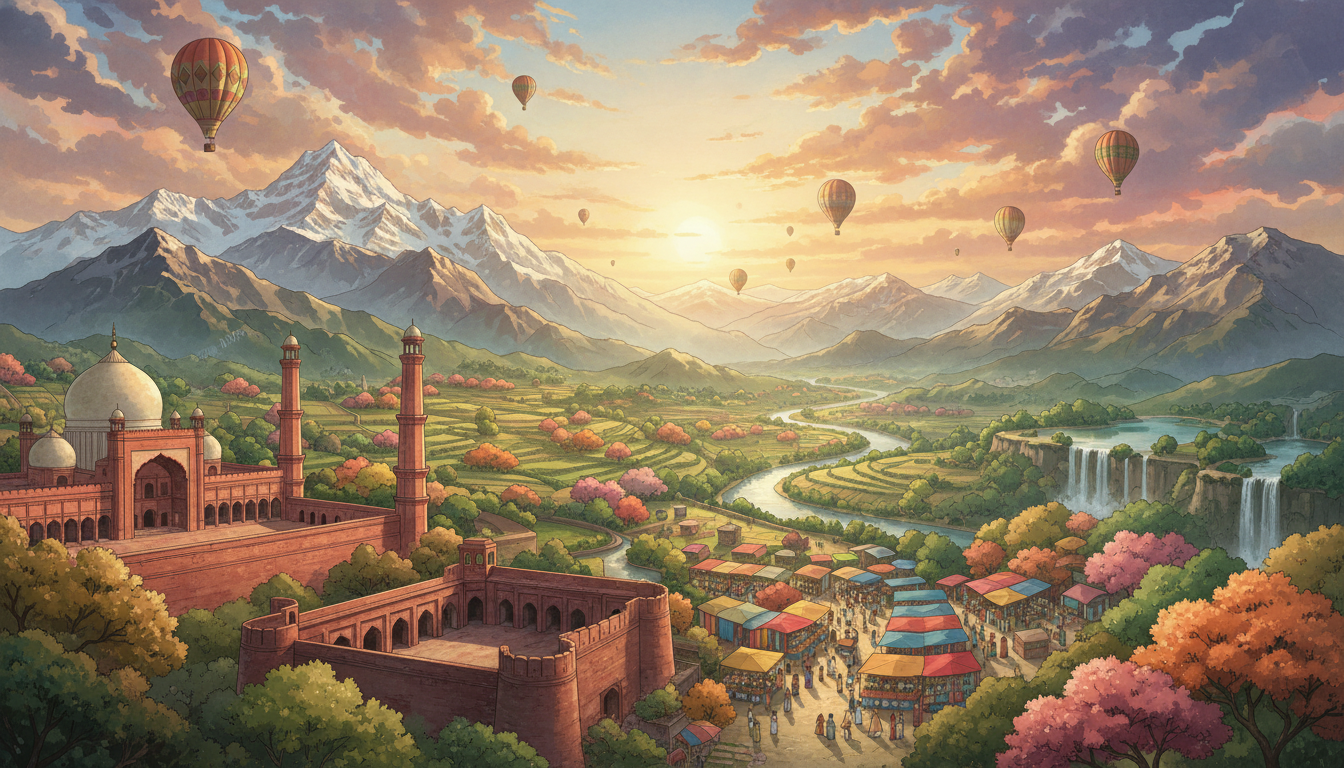
Northern Pakistan is home to some of Earth's most dramatic geography. The Karakoram Range contains K2 (8,611 meters), the world's second-highest mountain, along with more than 50 peaks exceeding 21,325 feet. This region represents the convergence of three world-class mountain ranges: the Karakoram, Hindu Kush, and Western Himalayas.
The Karakoram Highway (KKH), stretching 1,300 kilometers from Islamabad to the Chinese border, ranks among the world's most spectacular mountain roads. Completed in 1978 and continuously improved (with ongoing expansion and paving by Pakistan Army Engineers since 2018), the KKH winds through valleys offering views of Nanga Parbat (8,125 meters, the world's ninth-highest mountain) and countless other peaks.
Hunza Valley: Culture Meets Mountains
Hunza Valley represents a unique convergence of cultural heritage and natural beauty. The largest center, Karimabad village, sits on a mountainside with traditional water channels defining terraced fields and houses. The valley is ringed by spectacular peaks: Ultar Peak (7,388 meters), Mt. Rakaposhi (7,788 meters), and Diran Peak (7,257 meters) create a dramatic backdrop visible from the village.
Hunza was historically a princely state ruled by the Ayashkutz family for over 900 years. The ruler, called the Mir of Hunza by outsiders and Thum by locals, governed until 1974 when Prime Minister Zulfiqar Ali Bhutto abolished all princely states. Today, Hunza remains culturally distinct, with the Hunzokutz people maintaining unique traditions, languages, and customs.
Baltit Fort, perched above Karimabad, exemplifies Hunza's architectural heritage. The restored fortress offers panoramic valley views and insight into the region's governance history. The fort's architecture blends local traditions with influences from surrounding regions, reflecting Hunza's position as a cultural crossroads.
Skardu: Gateway to Eight-Thousanders
Skardu serves as the primary hub for accessing the Karakoram's highest peaks and remote valleys. Located in Gilgit-Baltistan, Skardu sits in the broad Shigar Valley, ringed by snow-capped mountains and surrounded by a unique "cold desert" landscape featuring large sandy dunes alongside the river.
Skardu is the gateway to 14 mountains exceeding 8,000 meters ("eight-thousanders"), including K2, the second-highest mountain in the world. Trekking expeditions to Masherbrum Base Camp, K2 Base Camp, and other high-altitude destinations depart from Skardu. The town also serves as a base for exploring the Shigar Valley, Deosai Plains, and numerous alpine lakes.
Khunjerab Pass: World's Highest Border Crossing
At 4,700 meters (14,420 feet), Khunjerab Pass represents the world's highest paved road crossing an international border, connecting Pakistan to China. The pass lies within Khunjerab National Park, established in 1979, which encompasses three valleys: Khunjerab (through which the KKH passes), Ghujerab, and the remote Shimshal Valley.
The road to Khunjerab Pass was historically plagued by rockfalls and difficult conditions, but ongoing expansion and paving by Pakistan Army Engineers since 2018 has dramatically improved accessibility. The journey to the pass offers stunning high-altitude scenery and the unique experience of standing at one of Earth's highest inhabited regions.
Southern Pakistan: History & Culture
Islamabad: Modern Capital with Ancient Backdrop
Islamabad, Pakistan's capital, was established in the 1950s as a planned city set against the backdrop of the Margalla Hills at the northern edge of the Potohar Mountain Range. Unlike many South Asian capitals, Islamabad presents a modern, spacious, and remarkably green environment, with wide boulevards, parks, and planned neighborhoods.
The city serves as an excellent base for exploring both northern mountains and historical sites. Key attractions include Faisal Mosque, one of the world's largest mosques with stunning architecture and peaceful grounds; the Pakistan Monument, symbolizing national unity; and numerous parks and hiking trails in the Margalla Hills offering respite from urban exploration.
Taxila: Archaeological Treasure of the Subcontinent
Located approximately one hour from Islamabad, Taxila ranks among the Indian subcontinent's most important archaeological treasures. The site contains remains of three great ancient cities and dozens of Buddhist monasteries dating from 600 BCE to 600 CE. Strategically positioned at the intersection of trade routes linking China, India, Central Asia, and the West, Taxila served as a cultural crossroads of the ancient world.
The region's history spans millennia. Alexander the Great conquered the area in the 4th century BCE, followed by Buddhist rule in the 3rd century BCE. Buddhist influence left remarkable archaeological sites including Asoka's Rock Edicts at Manshera (dating to approximately the 3rd century CE). The site's museums contain exceptional artifacts providing insight into ancient South Asian civilization.
Lahore: The Heart of Mughal Heritage
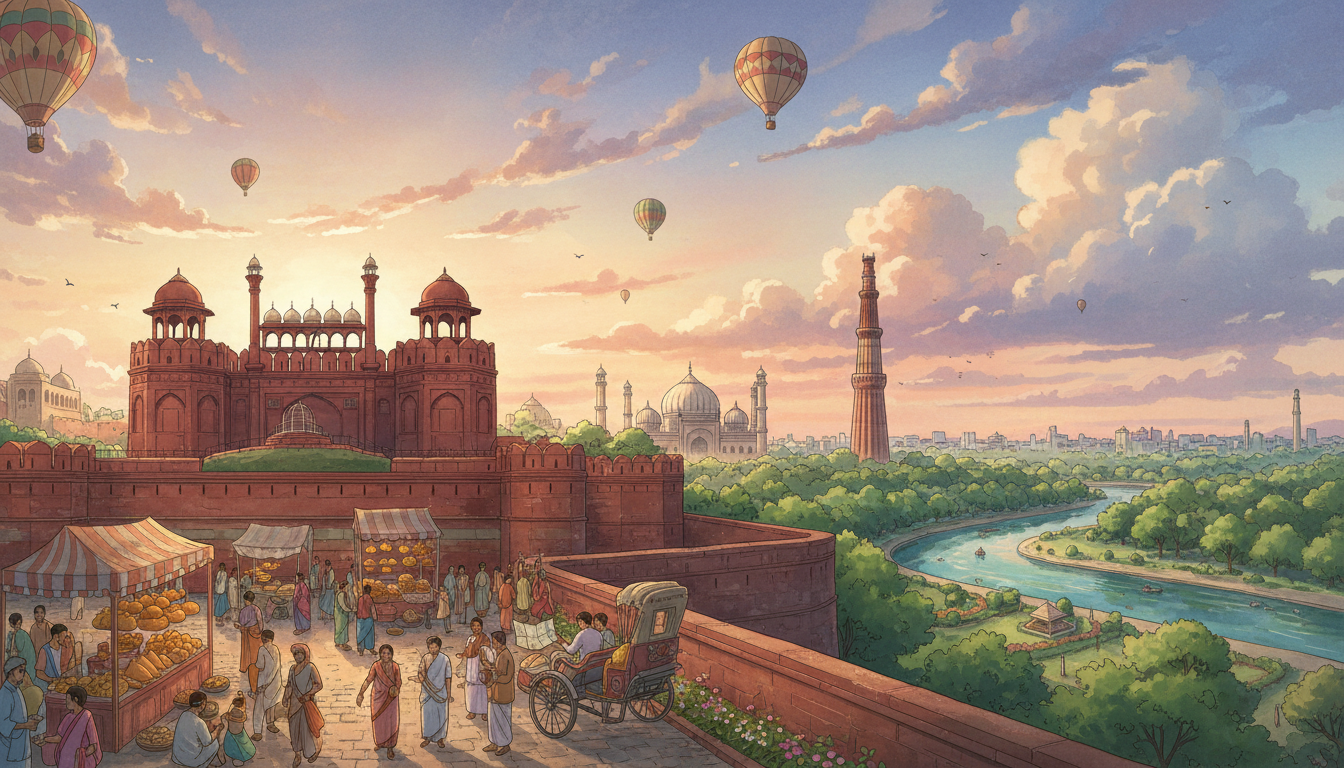
Lahore, Pakistan's cultural capital, represents the pinnacle of Mughal architectural and artistic achievement. The city's walled old quarter buzzes with energy, featuring narrow lanes, bustling bazaars, and centuries-old structures. Lahore Fort, built during the Mughal period, contains some of South Asia's most impressive secular Mughal buildings, embellished with carved red sandstone, marble, pietra dura work, glazed colored tiles, Kashi tile work, and frescoes depicting princely pleasures. The fort functions as much as a "place" as a defensive structure, offering multiple courtyards, gardens, and architectural styles spanning centuries.
Beyond the fort, Lahore offers the magnificent Badshahi Mosque, one of the world's largest mosques with stunning Mughal architecture; the Wazir Khan Mosque, renowned for its intricate tile work; and numerous gardens, museums, and cultural institutions. The city's bazaars—particularly the Grand Bazaar and Anarkali Bazaar—offer authentic shopping experiences and excellent opportunities for cultural immersion.
Indus Valley: Ancient Civilization Cradle
The Indus Valley civilization flourished along the Indus River for over 700 years, representing one of the world's earliest urban civilizations. Though the civilization's decline preceded recorded history, archaeological sites and museums throughout the Indus Valley region preserve remarkable artifacts and insights into ancient South Asian life.
The Indus River itself remains a vital feature of Pakistani geography and culture. Modern tours often include Indus Valley exploration combining archaeological sites with unique landscapes, including the "cold desert" regions and opportunities to observe Indus River Dolphins, a rare freshwater species found only in this region.