Executive Summary: Why Kaohsiung Harbor City Matters for Singapore Travellers & Investors
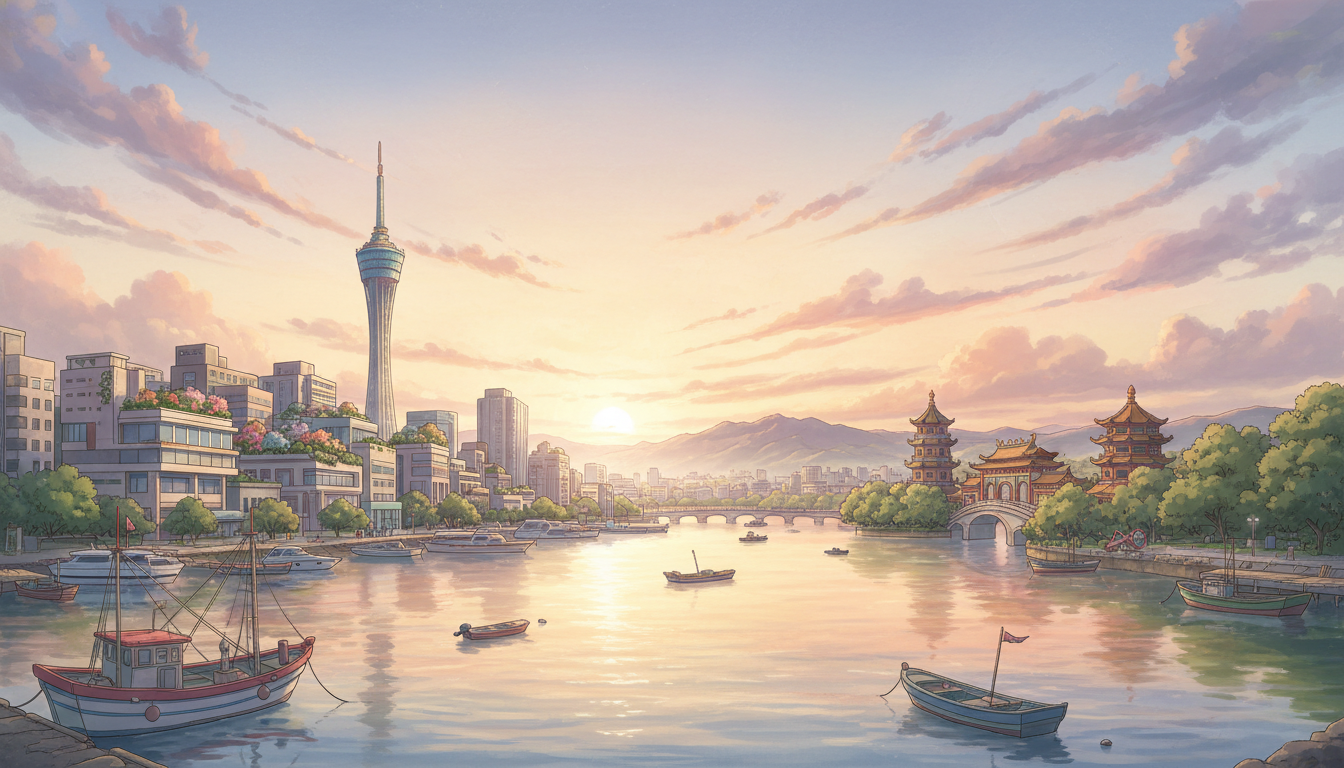
Kaohsiung, Taiwan’s vibrant harbor city in South Taiwan, has transformed from a gritty port into a livable, artsy waterfront metropolis packed with attractions like the Pier-2 Art Center, Lotus Pond, Love River and Qijin Island.[2][4][8] For Singapore-based travellers, expats and property investors, Kaohsiung offers a highly walkable, value-for-money coastal city experience that complements – rather than competes with – Singapore’s role as a regional financial and real estate hub.[2][4][7]
This Homejourney guide combines first-hand travel experience with data-driven insights. It is written from the perspective of a Singapore-based property and travel specialist who regularly flies between Singapore and Kaohsiung, and who understands both the on-the-ground realities in Kaohsiung Taiwan and the regulatory, financial and safety environment in Singapore. You will find practical information for planning a safe, efficient trip, plus a strategic lens on how time in Kaohsiung can fit into a broader Asian lifestyle or property investment plan anchored in Singapore.
Table of Contents
- 1. Destination Overview: Kaohsiung Harbor City in Context
- 2. Best Time to Visit Kaohsiung (for Singapore Travellers)
- 3. Getting There from Singapore & Essential Entry Info
- 4. Currency, Costs & Money Tips
- 5. Top Attractions & Harborfront Experiences
- 6. Food & Dining: What to Eat in Kaohsiung
- 7. Where to Stay: Best Areas & Hotel Types
- 8. Getting Around Safely & Efficiently
- 9. Suggested 3-Day & 5-Day Kaohsiung Itineraries
- 10. Day Trips & Weekend Extensions
- 11. Connecting Kaohsiung to Singapore Property & Lifestyle
- 12. Practical Travel & Safety Tips (with a Singapore Lens)
- 13. FAQ: Real Questions from Kaohsiung & Singapore Travellers
1. Destination Overview: Kaohsiung Harbor City in Context
1.1 Kaohsiung at a Glance
Kaohsiung is Taiwan’s second-largest city, a major international harbor and the cultural-commercial heart of South Taiwan.[2][4][8] Once dominated by heavy industry around the port, it has reinvented itself with revitalised waterfronts, creative districts and green spaces such as the Pier-2 Art Center, Love River parklands and Central Park.[2][4][7]
For Singaporeans familiar with the evolution of our own waterfront (from cargo wharves at Tanjong Pagar to today’s Marina Bay), Kaohsiung feels like a larger, more laid-back cousin: still a working port, but with a strong push towards design, arts and public spaces. The city stretches along the coast and up towards the hills, with a compact downtown core and efficient metro system.
1.2 Why Kaohsiung Appeals to Singapore-Based Travellers & Investors
- Waterfront lifestyle at lower cost: Harbour views, seaside cycling, and island getaways (Qijin, Xiaoliuqiu) are widely accessible and far more affordable than in most global port cities.[2][4][8]
- Creative harborfront districts: Pier-2 Art Center, Banana Pier and Kaohsiung Port Warehouse #2 (KW2) turn former warehouses into destination dining, shopping and arts zones.[2][4]
- Highly walkable + strong public transport: Kaohsiung is compact, with MRT, light rail and public bikes linking most Kaohsiung attractions.[2][4][7][8]
- Gateway to South Taiwan: Easy access to Tainan, Kenting, Fo Guang Shan and other regional destinations makes Kaohsiung a good base for exploring South Taiwan.[2][4][8]
- Comparative lifestyle research: For investors using Homejourney to evaluate Singapore property, time in Kaohsiung helps benchmark cost of living, waterfront planning and urban quality-of-life in another Asian harbor city.
1.3 Harbor City Identity: Key Waterfront Zones
Kaohsiung’s harbor is not a single promenade but a collection of distinct waterfront zones:[2][4][6]
- Pier-2 Art Center (駁二藝術特區): Converted port warehouses into a creative hub with street art, galleries, markets and a light rail running through it.[2][4][6]
- Banana Pier & Kaohsiung Port Warehouse #2 (KW2): Bright yellow Banana Pier and the modern KW2 retail-arts complex offer harbor dining, shopping and views.[2]
- Glory Pier & Love River mouth: Green waterfront with views of Kaohsiung Music Center and harbor; popular for evening strolls and markets.[2][4]
- Qijin Island (Cijin): A short ferry ride from Gushan to a seaside island with bike lanes, seafood eateries and beaches.[2][4][8]
2. Best Time to Visit Kaohsiung (for Singapore Travellers)
2.1 Climate Overview
Kaohsiung has a warm, subtropical climate, similar in feel to Singapore but with more pronounced seasons and a cooler, drier winter. Summers (Jun–Sep) are hot and humid with occasional typhoons; winters (Dec–Feb) are mild and generally dry.[2][4][8]
2.2 Best Months by Travel Style
| Travel Style | Best Months | Why It Works |
|---|---|---|
| General sightseeing & harbor walks | Oct–Dec, Mar–Apr | Milder temperatures, lower rainfall, pleasant for walking Pier-2 and Lotus Pond. |
| Family trips from Singapore | Mar, Jun, Nov–Dec | Aligns with Singapore school holidays; weather still manageable. |
| Outdoor islands & beaches | Apr–Jun, Sep–Oct | Warmer sea, fewer typhoons compared to peak summer. |
| Festival & night markets focus | Winter (Dec–Feb) | Cooler evenings for night markets, waterfront light shows and Love River cruises. |
2.3 Insider Tip from a Singapore Perspective
If you are used to Singapore’s climate, Kaohsiung’s winter feels like air-conditioned outdoors: light jacket in the evenings, T-shirt in the day. This season is ideal if you plan long days walking between Pier-2, Lotus Pond and Central Park. Avoid planning tight outdoor days in peak typhoon months (typically Aug–Sep); keep a flexible backup like the Kaohsiung Museum of Fine Arts or shopping at Dream Mall.
3. Getting There from Singapore & Essential Entry Info
3.1 Flight Options from Singapore
There are periodic direct and frequent 1-stop flights from Singapore Changi to Kaohsiung International Airport via carriers routing through Taipei, Hong Kong or other regional hubs. Typical total travel time ranges from about 6 to 8 hours including transit, depending on airline and layover. Always check latest schedules with airlines and the Singapore Tourism Board or Changi Airport information for updates.
From Kaohsiung Airport, it is only about 15–20 minutes by MRT to central areas such as Formosa Boulevard (Dome of Light) and Central Park, and 25–30 minutes to Yancheng district and the harborfront near Pier-2.[2][4][7]
3.2 Visa & Entry Requirements (Singapore Citizens & Others)
For Singapore passport holders, Taiwan has historically offered visa-free entry for short stays, but conditions, duration and health-related entry requirements can change. Always verify with:
- Singapore Ministry of Foreign Affairs (MFA) travel advisories
- Taiwan’s Bureau of Consular Affairs or Taipei Representative Office in Singapore
If you are a foreigner living in Singapore (EP, S Pass, PR, Student Pass), your Kaohsiung Taiwan visa requirement depends on your nationality, not your Singapore residence status. Check your own country’s arrangement with Taiwan.
3.3 From Airport to Harborfront
- MRT + Light Rail: Take the Red Line to Formosa Boulevard, transfer to the Orange Line to Yanchengpu for Pier-2, or to Sizihwan for Gushan Ferry and Xiziwan.[2][4][8]
- Taxi: Metered taxis from the airport to harborfront areas are typically 20–30 minutes depending on traffic; always insist on the meter, which is the norm in Taiwan.
- Private transfers: Book through reputable platforms; for groups from Singapore, this can be cost-effective compared to multiple taxis.
4. Currency, Costs & Money Tips
4.1 Currency Basics
Kaohsiung uses the New Taiwan Dollar (TWD). In practical terms for Singapore travellers, many find that everyday costs (transport, casual meals, most attractions) are lower than in Singapore, while high-end dining and international hotels can approach Singapore prices in popular areas.[2][4][8]
Homejourney supports multi-currency awareness in our property search and mortgage discussions, helping Kaohsiung-based and international investors compare TWD with SGD when considering diversification into Singapore real estate.Bank Rates
4.2 Typical Daily Budget (per person, excluding flights)
| Travel Style | Approx. Daily Budget (TWD) | What It Covers |
|---|---|---|
| Budget | 1,500–2,000 | Hostel/guesthouse, MRT, street food, free/low-cost attractions. |
| Mid-range | 2,500–4,000 | 3–4★ hotel, mix of night markets and restaurants, activities like Love River cruise. |
| Comfort / Family | 3,500–5,500 | Central 4★ hotel or family room, taxis when needed, more paid attractions and cafes. |
| Premium | 5,500+ | 5★ hotel, fine dining, private transfers, day trips to islands or Kenting. |
4.3 Practical Money Tips
- Cash + card mix: Night markets and small eateries are often cash-only; major hotels, malls and some attractions accept cards.
- Withdraw cash on arrival: Use ATMs of major Taiwanese banks at the airport or convenience stores; fees may be lower than Singapore airport money changers.
- EZcard / iPASS: Contactless transport cards usable on MRT, light rail and some convenience stores; useful if you travel frequently in Taiwan.
5. Top Attractions & Harborfront Experiences
5.1 Pier-2 Art Center: Icon of Kaohsiung Harbor City
The Pier-2 Art Center is a sprawling complex of old port warehouses along Kaohsiung Port, transformed into a creative hub in 2006.[2][4][6] It features street art, large-scale outdoor installations, galleries, design shops, cafes, weekend markets and even a miniature railway popular with families.[2][4][6]
- Opening hours: Attractions and shops typically 10:00–20:00; outdoor spaces are open longer.[6]
- How to get there: KLRT (light rail) to Penglai Pier-2 or Dayi Pier-2 stations; Yanchengpu MRT + short walk.[2][4]
- Best time to visit: Late afternoon into evening – cooler temperatures, golden harbor light and installations lit up.[2][4]
- Insider tip: From Singapore, think of it as a much larger, more industrial version of Gillman Barracks merged with a waterfront promenade. Plan 2–3 hours minimum; half a day if you enjoy photography or cafes.
5.2 Lotus Pond Scenic Area: Temples, Pagodas & Waterfront
The Lotus Pond (Lianchihtan) Scenic Area is a large lake in Zuoying, ringed by temples, pagodas and walking paths, and is one of Kaohsiung’s signature attractions.[2][4][6][8] Highlights include the Dragon and Tiger Pagodas and the Spring and Autumn Pavilions.[1][2][6]