
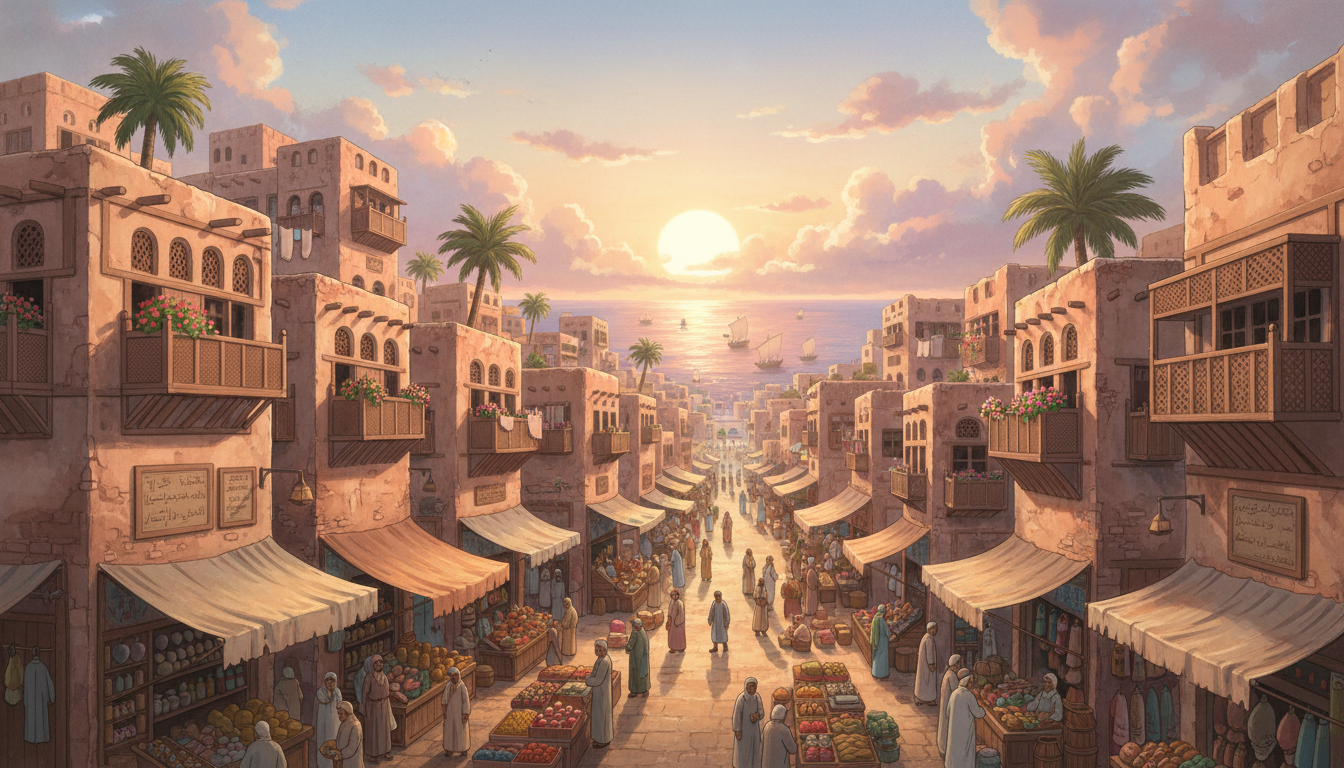
Jeddah Al-Balad Historic District, also known as historic Jeddah or old town Jeddah, is a UNESCO World Heritage Site since 2014, showcasing over 600 traditional coral buildings and vibrant souks along the Red Sea.[1][4]
This definitive guide from Homejourney, Singapore's trusted real estate platform prioritizing user safety and transparency, equips travelers, expats, and investors with everything needed to explore Al-Balad Jeddah and UNESCO Saudi heritage. Whether planning a trip from Singapore or eyeing international diversification, discover practical insights verified for accuracy.
Word count: ~3,500. Your comprehensive resource for authentic experiences and secure decision-making.
1. Destination Overview
Al-Balad Jeddah was founded in the 7th century as a key port on Indian Ocean trade routes and the gateway to Mecca, evolving from a fishing village into a cosmopolitan hub blending Arabian, African, and Levantine influences.[1][4]
Today, under Saudi Vision 2030, it's undergoing massive restoration, including a $13.3 million project for 56 buildings announced in 2019 and new developments by Al Balad Development Company since 2023.[1][2]
Why visit historic Jeddah? Wander narrow alleys lined with towering coral-stone houses featuring intricate wooden Roshan (lattice balconies), explore bustling souks, and immerse in living history. It's hassle-free, with a quiet oasis vibe amid Jeddah's modern bustle.[7]
Best Time to Visit Old Town Jeddah
Visit October to April for mild weather (20-30°C). Summers (May-September) exceed 40°C, though evening events like Summer Night Adventures in Al-Balad make nights vibrant.[8]
Peak during Ramadan for packed streets and spiritual energy, but expect crowds.[1]
Getting There from Singapore
Fly direct from Singapore Changi Airport (SIN) to King Abdulaziz International Airport (JED) via Saudia or Singapore Airlines (7-8 hours). Taxis or Careem rides to Al-Balad take 20-30 minutes (SAR 50-70, ~SGD 18-25).[3]
Currency: Saudi Riyal (SAR 1 ≈ SGD 0.36). Use Homejourney's tools for seamless currency conversion when planning investments across borders.
2. Top Attractions & Experiences
Al-Balad boasts over 600 historic buildings, 30 mosques, and 5 souks, reflecting Red Sea architecture with coral limestone and wooden Mushrabiyas.[2][4]
| Must-See Landmark | Highlights | Location & Tips |
|---|---|---|
| Nassif House (Al Nassif House) | Tallest coral building (30m+), museum showcasing merchant life. | Yemen Neighborhood. Open 9AM-5PM; free entry. |
| Al-Shafi'i Mosque | Nearly 1,000 years old, wooden minaret. | Al Mazloum area. Quiet spot; respectful dress. |
| Souk Al-Alawi | Vibrant market for spices, textiles, herbs. | Central Al-Balad. Bargain; best mornings. |
| Bab Makkah & Bab Medina Gates | Historic city wall remnants. | Entry points. Photo ops at dawn. |
Insider tip: Join guided walking tours (2-3 hours, SAR 100-200) from Bab Makkah gate for hidden stories—book via GetYourGuide for verified operators.[3]
Cultural Experiences in UNESCO Saudi Site
Trace pilgrim routes, visit Al Qabal Mosque, or explore Bedouin Market for authentic fabrics. Evening lantern-lit walks reveal Roshan shadows uniquely.[3][6]
Hidden gem: Al-Balad Cemetery (16th century), with graves of explorers like Charles Huber—peaceful, lesser-known site.[1]
3. Practical Travel Tips
Visa Requirements
Singaporeans get eVisa on arrival (SAR 480, 90 days) or tourist visa via Visit Saudi app. Check for updates; Homejourney verifies travel-linked real estate docs for expats.[3]
Transportation
- Taxis/Careem: SAR 2/km; Al-Balad is walkable.
- No metro; Jeddah Corniche nearby for modern vibes.
- Parking scarce—opt for pedestrian exploration.[1]
Safety Considerations
Al-Balad is safe, patrolled, with low crime. Women: Abaya optional post-2019 reforms, but modest dress advised. Stay hydrated; Homejourney prioritizes user safety like in Singapore properties.[2]
Money-Saving Tips
Bargain in souks (30-50% off), eat street food (SAR 10-20), visit free sites. Use SAR cards; compare rates via Bank Rates for global finance.
4. Accommodation Guide
Stay in restored coral houses for authenticity. Recent projects turn Jokhdar, Al-Rayyis, and Kedwan Houses into luxury hotels managed by Al Balad Development Company (opened 2024).[1]
| Budget | Recommendation | Price (per night, SAR) | Why Stay Here |
|---|---|---|---|
| Budget (<300) | Rove Al-Balad | 200-280 | Central, modern amenities in historic zone. |
| Mid (300-600) | Naseef House Hotel | 400-550 | Restored 130-year-old mansion. |
| Luxury (>600) | Jokhdar House (New) | 800+ | Coral luxury with sea views.[1] |
Unique stay: Airbnb in rawasheen-equipped houses (SAR 150-300). Book early for Vision 2030 events.[2]
5. Food & Dining
Savor Hijazi cuisine: Kabsa rice, mutabbaq pastries, camel milkshakes. Street food in souks (SAR 5-15).
- Al-Balad Kitchen: Traditional lamb mandi (SAR 40).
- Souk Al-Alawi stalls: Fresh dates, camel burgers.
- Insider: Bedouin coffee at hidden cafes—bitter, spiced ritual.[3]
For halal global fusion, nearby Jeddah spots complement. Compare costs: SAR meals ~SGD 4-10, cheaper than Singapore hawker centres.
6. Itinerary Suggestions
3-Day Itinerary
- Day 1: Arrive, Al-Balad walking tour (Nassif House, souks).
- Day 2: Mosques, cemetery, evening souk dinner.
- Day 3: Corniche, King Fahd Fountain, depart.
5-Day Itinerary
Extend with Red Sea snorkeling day trip (SAR 200), Jeddah Art Museum, and Al-Balad night markets.[3]
7. From Jeddah Al-Balad to Singapore: Real Estate Insights
Many Jeddah Al-Balad Historic District visitors eye Singapore for stable investments. With SAR-SGD stability, diversify via Property Search .
Singapore's HDB resale prices averaged SGD 500K in 2025 (URA data), offering safety akin to Al-Balad's heritage preservation. Expats from Saudi Arabia appreciate transparent financing—check Bank Rates or Projects Directory for verified projects.
For post-move maintenance, Homejourney's Aircon Services ensures trusted upkeep. Like our guides for Moving to Singapore from Hong Kong Disneyland: Expat Guide by Homejourney , we support seamless relocations. Jeddah investors: Singapore yields 3-5% rentals vs. emerging Al-Balad tourism potential.
Disclaimer: Consult professionals; Homejourney verifies data for confident decisions.
8. FAQ
What is Jeddah Al-Balad Historic District? UNESCO-listed old town with coral buildings and souks, port since 7th century.[1][4]
Is Al-Balad Jeddah safe for solo travelers? Yes, well-patrolled; modest dress recommended.[2]
Best hotels in historic Jeddah? Naseef House for mid-range, new coral hotels for luxury.[1]
How to get from Jeddah airport to old town Jeddah? 20-min Careem ride (SAR 50).[3]
Can Singaporeans invest in UNESCO Saudi properties? Limited; pivot to Singapore via Homejourney for secure options.Property Search
What's unique about coral buildings in Al-Balad? Local limestone, Roshan for ventilation/privacy.[4]
Visa for historic Jeddah from Singapore? eVisa on arrival, 90 days.[3]
Al-Balad Jeddah opening hours? Sites 9AM-5PM; souks daily till late.[6]
Homejourney builds trust through verified info—contact for personalized property journeys.
Explore more with Homejourney: Safe, transparent Singapore real estate for global travelers.