
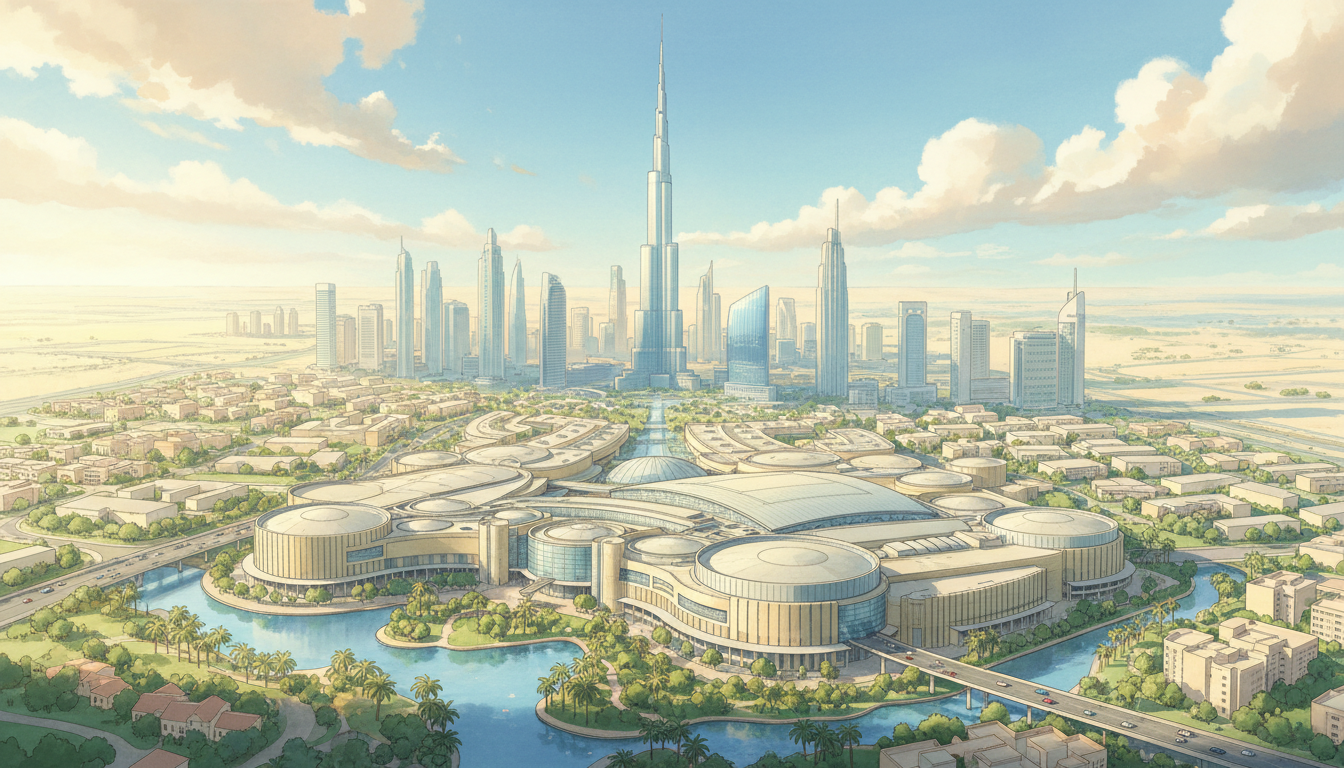
Dubai Mall Shopping & Entertainment Guide: Your Complete 2026 Insider's Handbook
Dubai Mall stands as the world's largest shopping mall by total area, housing over 1,200 retail stores, world-class dining establishments, and extraordinary entertainment attractions that draw millions of visitors annually.[3][5] For Singapore travelers, expats, and international investors considering property opportunities across Asia, understanding Dubai Mall represents more than just a shopping destination—it's a window into one of the world's most dynamic retail and lifestyle ecosystems. At Homejourney, we believe in providing transparent, trustworthy information that helps you make informed decisions about travel, lifestyle, and investment opportunities across Asia.
This comprehensive guide combines current 2026 data, practical insider tips, and strategic insights to help you maximize your Dubai Mall experience while exploring how international travel experiences inform your broader lifestyle and property investment decisions.
Understanding Dubai Mall: The World's Largest Shopping Destination
Dubai Mall has evolved far beyond a traditional shopping center. With its 2026 expansion adding over 240 new luxury retail and dining outlets, the mall now functions as a complete lifestyle ecosystem.[3] The mall's strategic location in Downtown Dubai, adjacent to the Burj Khalifa and Dubai Fountain, positions it as the epicenter of Dubai's tourism and retail landscape.
What distinguishes Dubai Mall from other international shopping destinations is its integration of world-class entertainment, cultural experiences, and architectural innovation. The mall spans multiple levels, creating distinct zones for luxury shopping, family entertainment, dining, and cultural experiences. For international travelers accustomed to Singapore's sophisticated retail environment—where malls like Orchard Central and Takashimaya offer premium experiences—Dubai Mall delivers comparable luxury with distinctly Middle Eastern hospitality and scale.
The 2026 expansion reflects Dubai's commitment to remaining a global shopping destination. New additions include an AI-integrated Chinatown district, expanded Fashion Avenue featuring international runway collections, and an Exhibition Centre hosting global pop-up fashion weeks.[3] This strategic evolution positions Dubai Mall not merely as a shopping venue but as a cultural and commercial hub that attracts international business travelers, tourists, and investors.
Location & Accessibility
Dubai Mall's position in Downtown Dubai provides exceptional accessibility. The mall connects directly to the Dubai Metro Red Line at the Burj Khalifa/Downtown Station, making it easily accessible from most Dubai locations.[3] For visitors arriving from Singapore, the journey typically involves a 14-16 hour flight to Dubai International Airport (DXB), followed by a 30-minute metro ride to Downtown Dubai.
The metro connection proves particularly valuable during peak shopping periods. Local experts recommend using the Dubai Metro to avoid 2026's peak-hour traffic congestion, particularly during the Dubai Shopping Festival season.[3] The mall's direct metro access eliminates parking concerns and provides a convenient, cost-effective transportation solution.
Shopping Experience: 1,200+ Stores and What to Find
With over 1,200 retail stores, Dubai Mall offers shopping breadth that rivals Singapore's most comprehensive malls while maintaining distinct luxury positioning. The mall features flagship locations for premium international brands, local boutiques, and emerging designers, creating a diverse shopping ecosystem.
Luxury Fashion & Premium Brands
Dubai Mall serves as the Middle East's premier luxury shopping destination, housing flagship stores for brands including Apple, Harvey Nichols, and specialized luxury watch boutiques.[3] The expanded Fashion Avenue showcases international runway collections, with dedicated spaces for haute couture, contemporary fashion, and emerging designer collections. For Singapore shoppers familiar with Orchard Road's luxury offerings, Dubai Mall provides comparable selections with often more competitive pricing due to Dubai's favorable tax structure.
The mall's luxury positioning extends beyond apparel. Premium watch retailers, jewelry boutiques, and high-end accessory stores occupy prime mall locations, reflecting Dubai's status as a luxury goods hub. Many international brands offer exclusive Middle Eastern collections unavailable in Southeast Asian markets, making Dubai Mall particularly attractive for collectors and luxury enthusiasts.
The New Chinatown & Emerging Retail Zones
The 2026 AI-integrated Chinatown represents an innovative retail concept combining traditional Asian retail experiences with contemporary shopping technology.[3] This zone features specialized retailers, authentic Asian dining, and cultural experiences that reflect Dubai's commitment to international diversity. For travelers from Singapore—a multicultural hub with significant Chinese heritage—the Chinatown zone offers familiar cultural elements within Dubai's cosmopolitan context.
Casual & Mid-Range Shopping
Beyond luxury offerings, Dubai Mall accommodates casual shoppers with major retailers including H&M, Zara, and Level Shoes, which offered up to 75% discounts during the 2026 Dubai Shopping Festival.[3] These accessible price points make Dubai Mall attractive for budget-conscious travelers and families seeking value alongside luxury options.
Shopping Strategy & Navigation Tips
Given Dubai Mall's enormous scale, strategic planning enhances the shopping experience. Experts recommend starting with a coffee at a mall café while reviewing the comprehensive mall map—a practice that prevents overwhelming navigation challenges.[4] Identifying priority stores before arrival, utilizing the mall's directory system, and allocating specific time blocks for different shopping zones optimizes the experience.
The mall's design encourages browsing, with beautifully designed storefronts and ample circulation space. Even window-shopping proves enjoyable, with architectural elements and visual displays providing entertainment value beyond actual purchases.[4] This design philosophy mirrors Singapore's premium malls, where the shopping experience encompasses aesthetic appreciation alongside commercial transactions.
Must-See Entertainment Attractions
Dubai Mall's entertainment offerings distinguish it from conventional shopping centers. The mall houses world-class attractions that merit dedicated time allocation within your visit itinerary.
Dubai Aquarium & Underwater Zoo
The Dubai Aquarium & Underwater Zoo represents one of the mall's flagship attractions, featuring a massive viewing panel showcasing thousands of aquatic species.[4][5] The experience extends beyond passive observation—visitors walk through an underwater tunnel where sharks, rays, and hundreds of fish swim directly overhead, creating an immersive marine environment.
This attraction appeals to diverse visitor demographics. Families with children find the experience educational and engaging, while adult travelers appreciate the architectural engineering and marine biology elements. The aquarium's location within the mall allows flexible scheduling—visitors can spend 45 minutes to two hours depending on interest level and crowd conditions.
Dubai Ice Rink
The Dubai Ice Rink provides a distinctive entertainment experience within Dubai's desert climate context. This full-size ice skating rink accommodates both experienced skaters and beginners, with professional instruction available for novices.[5] The novelty of ice skating in Dubai, combined with the rink's modern facilities, makes this attraction particularly appealing to families and visitors seeking unique experiences.
For Singapore travelers accustomed to tropical climate activities, the ice rink represents a novel experience. The facility operates year-round, though winter months (November-March) typically feature less crowded conditions and more comfortable ambient temperatures within the mall.
Arte Museum Dubai: Digital Art Experience
The immersive Arte Museum Dubai, located within Dubai Mall, showcases digital art installations themed around eternal nature.[4] Rather than traditional static artwork, the museum features interactive digital environments spanning multiple rooms, each with distinct atmospheric qualities—Ocean, Flower, Waterfall, and Romantic Thunder themes create varied sensory experiences.
Visitors describe the experience as stepping into artwork itself rather than observing from a distance. The installation's photogenic qualities make it particularly appealing to social media-conscious travelers, while the immersive environment provides genuine aesthetic and emotional engagement. The cool, soothing environment naturally encourages slower pacing and contemplative experience—a counterbalance to the mall's commercial energy.
Dubai Dino & Free Attractions
Beyond ticketed attractions, Dubai Mall offers free experiences that provide entertainment value without additional cost. Dubai Dino—a 155-million-year-old fossil—is displayed within the mall, providing educational interest and unique photo opportunities.[2] Fountain shows, art gallery explorations, and window shopping constitute additional no-cost entertainment options that extend the mall experience.
Dining & Culinary Experiences
Dubai Mall's dining landscape reflects the city's position as a global culinary destination. The mall houses restaurants representing international cuisines, local Emirati specialties, and emerging culinary concepts.
International Fine Dining
The 2026 expansion introduced Michelin-star bistro concepts within the mall's Fashion Dome area, elevating Dubai Mall's dining credentials.[3] These establishments offer fine dining experiences comparable to Singapore's Michelin-recognized restaurants, with menus reflecting international culinary traditions and contemporary techniques.
Emirati & Middle Eastern Cuisine
Authentic Emirati dining experiences within Dubai Mall provide cultural immersion through culinary exploration. Traditional Middle Eastern dishes, regional specialties, and contemporary interpretations of local cuisine reflect Dubai's cultural heritage. These dining options appeal particularly to travelers seeking authentic cultural experiences beyond tourist-oriented establishments.
Casual Dining & Food Courts
For budget-conscious travelers and families, Dubai Mall's casual dining options provide excellent value. Food courts and casual restaurants offer diverse cuisine options at accessible price points, accommodating various dietary preferences and budget constraints.
Strategic Dining Recommendations
Experts recommend starting your Dubai Mall visit with a coffee at Arabica, a premium coffee establishment that provides a calm introduction to the mall environment.[4] This practice allows orientation and planning before commencing shopping or entertainment activities. For lunch, casual dining options prevent excessive time investment while maintaining energy levels. Evening dining at fine establishments provides a natural conclusion to the day's activities.
Planning Your Visit: Practical Information
Optimal Visiting Times
Dubai Mall experiences peak crowding during specific periods. The Dubai Shopping Festival (December 5, 2025 – January 11, 2026) attracts massive visitor volumes, with daily drone shows featuring 1,000+ drones performing nightly at Bluewaters and The Beach JBR.[3] While the festival provides exceptional entertainment and sales opportunities, experienced travelers recommend visiting during off-peak periods for more comfortable shopping experiences.
Weekday mornings (Tuesday-Thursday, 9 AM-12 PM) typically offer the least crowded conditions, allowing unhurried shopping and attraction access. Weekends and festival periods require earlier arrival to secure preferred parking and avoid peak-hour congestion.
Operating Hours & Seasonal Considerations
Dubai Mall operates year-round with extended hours during peak seasons. Winter months (November-March) offer more comfortable ambient temperatures for outdoor activities like viewing the Dubai Fountain, while summer months (June-August) require careful planning due to extreme heat. Most visitors prefer winter travel, coinciding with Dubai Shopping Festival and optimal weather conditions.
Parking & Transportation
Dubai Mall provides extensive parking facilities, with Cinema Parking (P3) offering direct access to premium dining and retail areas.[3] However, the Dubai Metro connection provides superior convenience, particularly during peak periods. The Red Line connects directly to Burj Khalifa/Downtown Station, eliminating parking concerns and traffic navigation challenges.
For visitors arriving from Singapore, metro access proves particularly valuable. The journey from Dubai International Airport to Downtown Dubai via metro costs approximately AED 15-20 (SGD 6-8), providing cost-effective transportation compared to taxi or ride-sharing services.
Visa Requirements for Singapore Travelers
Singapore passport holders enjoy visa-free entry to the United Arab Emirates for 30 days, simplifying travel logistics.[1] This visa-free arrangement encourages spontaneous travel and extended visits, making Dubai Mall accessible for weekend trips or extended shopping vacations.
Dubai Shopping Festival 2026: Timing Your Visit
The Dubai Shopping Festival (December 5, 2025 – January 11, 2026) represents the year's premier shopping event, featuring exceptional sales, entertainment, and cultural experiences.[1][3]
Festival Highlights & Special Events
DSF 2026 features unprecedented entertainment including daily drone shows with 1,000+ drones, 30-day sales offering up to 75% discounts at major retailers, and exclusive online sales for remote shoppers.[1][3] Major retailers including H&M, Zara, and Level Shoes participate in festival discounts, providing significant savings compared to regular pricing.
Beyond shopping, the festival includes live concerts featuring international artists, street performances, fireworks displays, and cultural exhibitions.[1] These complementary entertainment options create a comprehensive festival experience extending beyond commercial transactions.
Raffle Draws & Prize Opportunities
DSF features interactive raffle draws where shoppers can win cars, gold bars, electronics, and cash prizes through mall-based contests.[1] This gamification element adds excitement and unpredictability to the shopping experience, encouraging participation and extended mall visits.
Family-Friendly Activities
The festival emphasizes family entertainment with kid-friendly zones in malls and open areas, street performances, magic shows, and live concerts.[1] Dubai Mall and Mall of the Emirates host interactive zones where children enjoy activities while parents shop, making DSF particularly attractive for family visits.
Cultural Experiences During DSF
DSF highlights Emirati culture through traditional souks, local artisan demonstrations, cultural shows, and food festivals showcasing Middle Eastern cuisine.[1] This cultural integration distinguishes DSF from purely commercial shopping events, providing authentic cultural immersion alongside retail therapy.
Money-Saving Strategies & Tax-Free Shopping
Tax-Free Shopping Program
Most Dubai malls, including Dubai Mall, offer tax-free shopping through Planet Tax-Free kiosks.[3] Visitors can claim back 5% VAT at the airport upon departure, provided they maintain purchase receipts and keep items in original packaging. This tax recovery mechanism effectively reduces purchase costs, making Dubai shopping more economical than equivalent purchases in Singapore or other high-tax jurisdictions.
To maximize tax-free benefits, shoppers should consolidate purchases at designated tax-free retailers, maintain organized receipt documentation, and allow adequate time for airport tax-refund processing before departure.
Loyalty Programs & Smart Shopping Apps
Dubai retailers offer loyalty programs that accumulate points on every purchase. The U by Emaar app and Majid Al Futtaim SHARE app enable point accumulation across participating retailers, providing discounts on future purchases and exclusive member benefits.[3] Singapore travelers familiar with loyalty programs at malls like Takashimaya and Orchard Central will recognize similar reward structures.
Downloading these apps before arrival allows immediate enrollment and benefit realization from initial purchases. Points accumulate across multiple transactions, enabling meaningful discounts on subsequent visits or final purchases before departure.
Festival Period Discounts
Dubai Shopping Festival offers the year's deepest discounts, with major retailers offering up to 75% reductions on selected merchandise.[3] Strategic shopping during festival periods (December-January) yields significantly greater savings compared to off-season purchases. Visitors planning major purchases should coordinate travel timing with festival schedules when possible.
Currency Exchange Optimization
The UAE Dirham (AED) exchange rate typically ranges from AED 2.70-2.75 per Singapore Dollar, creating favorable purchasing power for SGD holders. Exchanging currency at official airport counters or major banks ensures competitive rates compared to informal exchange services. Carrying both cash and credit cards provides flexibility while managing currency exchange costs.
Connecting Dubai to Your Singapore Property Journey
For many international travelers, exploring vibrant destinations like Dubai often sparks broader considerations about lifestyle, investment opportunities, and long-term relocation possibilities. If you're evaluating Asian real estate opportunities or considering property investment beyond your home country, Singapore represents a compelling complementary destination to explore.
Why Singapore Attracts International Property Investors
Singapore shares Dubai's position as a global financial hub and cosmopolitan destination, yet offers distinct advantages for property investors. Singapore's transparent legal framework, strong property rights protections, and stable political environment create a secure investment context. The city-state's strategic location in Southeast Asia, combined with its multicultural population and world-class infrastructure, positions Singapore as an ideal base for regional business operations and lifestyle experiences.
For Dubai residents and visitors, Singapore offers comparable urban sophistication with distinct advantages: lower property transaction costs, more accessible entry-level investment options, and stronger rental yield potential compared to Dubai's market. The two cities complement each other as dual investment destinations, allowing portfolio diversification across Middle Eastern and Asian markets.
Expat Relocation & Second Home Opportunities
Many Dubai-based professionals and entrepreneurs explore Singapore property as a second home or investment vehicle. Singapore's efficient public transportation, excellent healthcare, and premium education options appeal to families considering relocation. The city's proximity to Southeast Asian markets makes Singapore an ideal base for regional business operations.
Property investment in Singapore ranges from compact studios in central locations like Orchard to spacious family homes in established neighborhoods. Unlike Dubai's rental-focused market, Singapore's property market emphasizes owner-occupancy, creating distinct investment dynamics and lifestyle considerations.
Currency & Investment Diversification
For Dubai residents holding AED and considering investment diversification, Singapore dollar (SGD) exposure provides geographic and currency diversification. Property investment in Singapore creates SGD-denominated assets, reducing concentration risk in Middle Eastern markets. The AED-SGD exchange rate typically ranges from SGD 0.36-0.37 per AED, creating favorable conversion dynamics for AED holders.
At Homejourney, we support international investors exploring Singapore property opportunities. Our Property Search feature enables browsing Singapore properties in multiple currencies, while our Bank Rates page provides current mortgage rate information for international buyers. Our Projects directory showcases new development opportunities across Singapore's most desirable neighborhoods.
Moving from Dubai to Singapore: Key Considerations
For professionals considering relocation from Dubai to Singapore, several factors warrant evaluation. Singapore's cost of living differs from Dubai—while housing costs may exceed Dubai in premium neighborhoods, overall living expenses often prove more economical. Singapore's tax structure, healthcare system, and education options create distinct lifestyle implications compared to Dubai's expatriate-oriented environment.
Homejourney's comprehensive resources support relocation planning. Our agent directory connects you with experienced professionals who understand both Dubai and Singapore markets, facilitating informed decision-making about property investment and relocation logistics.
Frequently Asked Questions
How much time should I allocate for a Dubai Mall visit?
A comprehensive Dubai Mall experience requires 6-8 hours minimum. This allocation allows 2-3 hours for shopping, 1-2 hours for entertainment attractions (Aquarium, Ice Rink, Arte Museum), 1-1.5 hours for dining, and buffer time for navigation and spontaneous discoveries. Visitors with specific shopping objectives may complete visits in 4-5 hours, while those prioritizing entertainment and cultural experiences may extend visits to full-day excursions.
What are the best times to visit Dubai Mall?
Weekday mornings (Tuesday-Thursday, 9 AM-12 PM) offer optimal conditions with minimal crowds. Avoid weekends, public holidays, and peak festival periods unless you specifically seek festival atmosphere and entertainment. Winter months (November-March) provide comfortable temperatures for outdoor activities like viewing the Dubai Fountain, while summer months require early morning or evening visits due to extreme heat.
Is Dubai Mall suitable for families with young children?
Yes, Dubai Mall accommodates families effectively. The mall features kid-friendly zones, interactive entertainment areas, and family-oriented dining options. The Aquarium appeals to children, while the Ice Rink provides engaging activity. The mall's climate-controlled environment suits young children better than outdoor Dubai activities during hot months. Stroller accessibility and family facilities support comfortable family visits.
What payment methods does Dubai Mall accept?
Dubai Mall accepts cash (UAE Dirhams), international credit cards, and digital payment methods. Most retailers accept Visa and Mastercard, though some boutique shops prefer cash. ATMs throughout the mall enable cash withdrawal if needed. Digital payment adoption continues expanding, with Apple Pay and Google Pay increasingly accepted.
Can I claim tax-free refunds on all purchases?
Tax-free shopping applies to most retail purchases but excludes certain categories including services, dining, and some specialized items. Minimum purchase thresholds typically apply (often AED 250+). Tax-free refunds process at airport departure, requiring receipts, original packaging, and valid passport documentation. Allow 15-20 minutes for tax-refund processing at the airport.
How does Dubai Mall compare to Singapore's premium malls?
Dubai Mall exceeds Singapore's largest malls in total retail space and store count, offering 1,200+ stores compared to Singapore's premium malls with 300-500 stores. However, Singapore's malls like Orchard Central and Takashimaya offer comparable luxury positioning with more concentrated, curated retail selections. Dubai Mall emphasizes scale and entertainment integration, while Singapore malls prioritize accessibility and efficiency. Both destinations serve distinct shopping philosophies—Dubai celebrates shopping as entertainment experience, while Singapore emphasizes practical efficiency within premium context.
What attractions near Dubai Mall complement a shopping visit?
The Dubai Fountain, located outside Dubai Mall, provides free entertainment with choreographed water, music, and light shows.[4] The Burj Khalifa observation deck offers panoramic city views, particularly impressive at sunset or night. Downtown Dubai's dining and entertainment district extends the experience beyond the mall itself. These complementary attractions create a comprehensive downtown Dubai experience extending beyond shopping.
Are there budget-friendly options at Dubai Mall?
Yes, Dubai Mall accommodates various budgets. Major retailers including H&M, Zara, and casual dining options provide accessible pricing. Free attractions including fountain shows, Dubai Dino viewing, and art gallery exploration require no admission. Window shopping and people-watching constitute enjoyable no-cost activities. During Dubai Shopping Festival, budget-conscious shoppers can access significant discounts on mainstream retailers.
How do I navigate Dubai Mall efficiently?
Start with a coffee at a mall café while reviewing the comprehensive mall directory—this practice prevents overwhelming navigation challenges.[4] Identify priority stores and attractions before arrival, allocating specific time blocks for different zones. Utilize the mall's digital directory and mobile app for real-time navigation assistance. The mall's logical zoning system (luxury, family, dining, entertainment) facilitates organized exploration.
What should I know about Dubai's culture and shopping etiquette?
Dubai welcomes international visitors and maintains cosmopolitan shopping culture. However, respect for local customs enhances the experience. Modest dress in public areas demonstrates cultural sensitivity, though shopping malls maintain international standards. Ramadan periods involve modified mall hours and dining restrictions—plan accordingly if visiting during this period. Greetings and courtesy receive appreciation in local interactions.
Can I extend my Dubai visit to explore other Emirates?
Yes, Dubai serves as an excellent base for exploring the UAE. Abu Dhabi (1.5 hours drive), Sharjah (30 minutes), and other emirates offer distinct experiences. Dubai's central location and transportation infrastructure facilitate day trips or extended regional exploration. Many visitors combine Dubai shopping with desert safaris, beach activities, or cultural experiences in neighboring emirates.
How does Dubai Shopping Festival 2026 compare to previous years?
DSF 2026 features unprecedented scale with 1,000+ drone nightly shows, expanded retail participation, and enhanced entertainment programming.[3] The festival's 37-day duration (December 5, 2025 – January 11, 2026) provides extended shopping opportunities with sustained discounts. New attractions and expanded mall spaces create fresh experiences compared to previous festivals, making 2026 particularly attractive for first-time festival visitors.
Is Dubai Mall accessible for visitors with mobility challenges?
Yes, Dubai Mall provides comprehensive accessibility features including wheelchair access, elevators, accessible restrooms, and designated parking spaces. The mall's flat, climate-controlled environment suits visitors with mobility limitations better than outdoor Dubai activities. Staff assistance is available upon request. Visitors with specific accessibility needs should contact mall management in advance for customized support.
Conclusion: Dubai Mall as Gateway to Asian Lifestyle Exploration
Dubai Mall represents far more than a shopping destination—it embodies a complete lifestyle experience combining world-class retail, entertainment, dining, and cultural immersion. The mall's 2026 expansion reinforces Dubai's commitment to remaining a global shopping and tourism leader, with innovations including AI-integrated retail zones, expanded fashion programming, and enhanced entertainment offerings.
For Singapore travelers and international investors, Dubai Mall provides valuable insights into global retail trends, luxury market positioning, and experiential commerce evolution. The mall's emphasis on entertainment integration, cultural celebration, and family-friendly programming reflects emerging retail philosophy prioritizing experience over pure transaction.
As you explore Dubai Mall and consider broader Asian lifestyle and investment opportunities, Homejourney stands ready to support your property journey. Whether you're a Dubai resident exploring Singapore investment opportunities, an international traveler considering relocation, or a property investor seeking geographic diversification, our platform provides transparent, trustworthy resources prioritizing your safety and informed decision-making.
Visit Homejourney's Property Search feature to explore Singapore properties, consult our Bank Rates page for financing information, or connect with experienced agents through our Projects directory. Your next investment opportunity may await in Singapore—explore with confidence through Homejourney's verified, user-focused platform.