
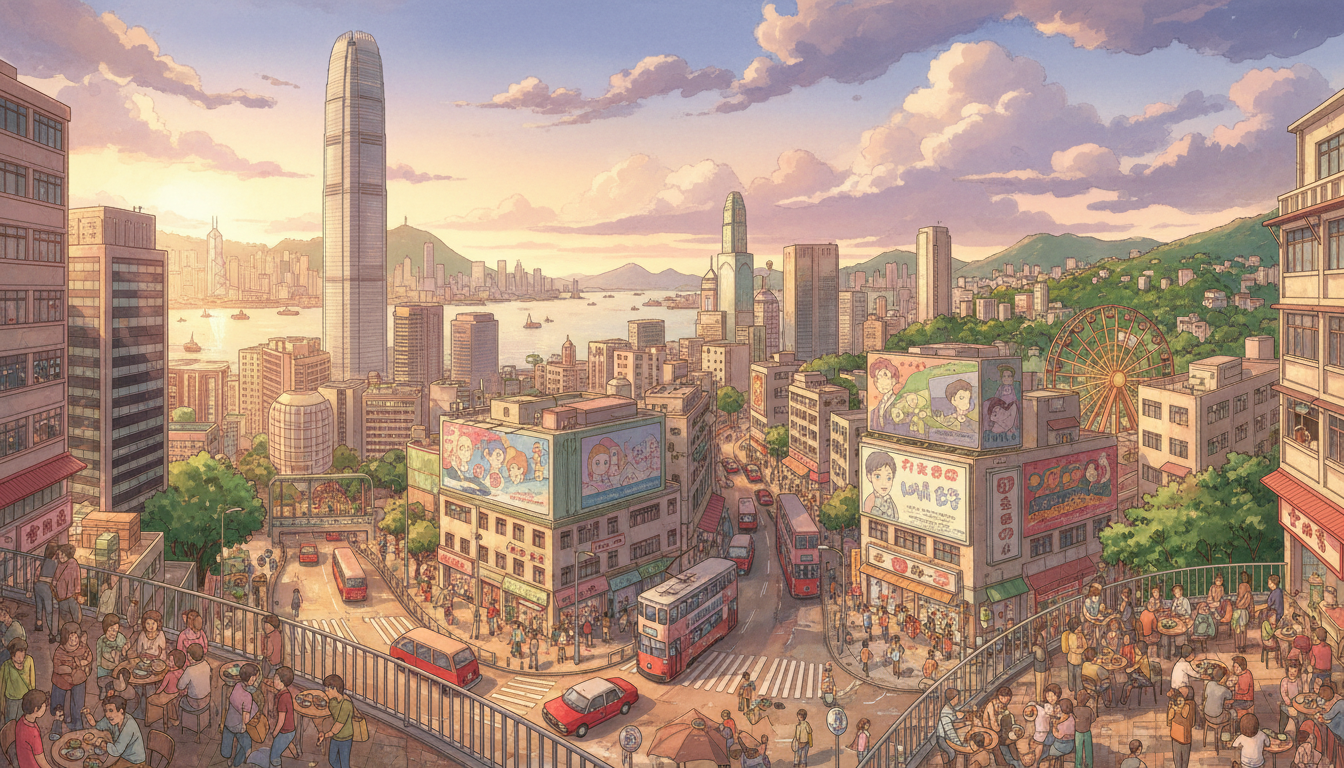
Causeway Bay Hong Kong is one of Asia’s busiest and most exciting urban districts – a dense mix of malls, neon-lit streets, hidden eateries and green escapes like Victoria Park, all packed into a walkable area on Hong Kong Island.[1][2][4] For Singapore travellers, expats and investors, understanding Causeway Bay is not just about shopping and food – it is also a useful reference point when comparing lifestyle, livability and property opportunities across Asian cities, including Singapore.
As a Singapore-focused real estate and lifestyle platform, Homejourney brings together verified information, on‑the‑ground experience and safety‑first advice to help you enjoy Causeway Bay Hong Kong confidently – and to connect what you see in Hong Kong with smart decisions about property and living in Singapore.
Table of Contents
- Causeway Bay Overview: Why Visit & Who It’s For
- Best Time to Visit Causeway Bay
- Getting to Causeway Bay (From Singapore & Within Hong Kong)
- Currency, Budgets & Money Tips
- Shopping in Causeway Bay: Malls, Streets & Insider Tips
- Food & Dining: From Street Snacks to Michelin-Level Meals
- Top Attractions & Experiences (Including Victoria Park)
- Where to Stay in Causeway Bay: Accommodation Guide
- Sample 3-Day & 5-Day Causeway Bay Itineraries
- Practical Travel Tips: Visas, Transport, Safety & Savings
- Connecting Causeway Bay to Singapore: Lifestyle & Property Insights
- FAQ: Causeway Bay Hong Kong – Shopping, Dining & Entertainment
Causeway Bay Overview: Why Visit & Who It’s For
Causeway Bay Hong Kong is the city’s iconic shopping and entertainment hub, known for having some of the highest retail rents in the world and an intense, neon‑lit street life that runs late into the night.[2][4] Within a compact area you’ll find mega‑malls like Times Square HK, SOGO Department Store, Hysan Place, Lee Gardens, Windsor House and Fashion Walk, plus hundreds of smaller shops and eateries.[1][2][4]
From a Singapore perspective, Causeway Bay feels like compressing Orchard Road, Bugis and parts of Tiong Bahru into one walkable district – but denser, taller and even more fast‑paced. The area attracts:
- Travellers who want non‑stop Hong Kong shopping and dining, from luxury brands to quirky local boutiques.[1][2][4]
- Food lovers hunting for dim sum, roast goose, cha chaan teng comfort food, izakayas and dessert cafes.[2][6][9]
- Families and joggers who use Victoria Park as their green lung for play, sports and festivals.[1][3][4]
- Business travellers who want a central, well‑connected base close to major MTR lines and tram routes.[2][7]
For international investors and expats, walking through Causeway Bay Hong Kong is also a quick way to understand Hong Kong’s ultra‑dense urban living – a useful comparison when evaluating Singapore’s more regulated, master‑planned environment guided by URA and HDB policies.
Quick Snapshot: Causeway Bay at a Glance
| Aspect | Causeway Bay Hong Kong |
|---|---|
| Main identity | Shopping, dining & entertainment hub on Hong Kong Island[1][2][4] |
| Key malls | Times Square HK, SOGO, Hysan Place, Lee Gardens, Windsor House, Fashion Walk, World Trade Centre[1][4] |
| Green space | Victoria Park – large urban park with sports facilities & festivals[1][3][4] |
| Vibe | Hyper‑urban, neon‑lit, crowded, energetic, very walkable[2][4] |
| Best for | Serious shoppers, foodies, nightlife & convenient base for Hong Kong Island |
Why Singapore Travellers Love Causeway Bay
Having visited Causeway Bay repeatedly from Singapore, a few things stand out:
- The shopping density beats Orchard Road – in one afternoon you can cover Times Square, Hysan Place and SOGO just by crossing a few main junctions.[1][2][4]
- Food choices are incredibly dense: you can go from cha chaan teng breakfast to Japanese lunch, Korean fried chicken dinner and late‑night dessert within 5–10 minutes’ walk.[2][6][9]
- Victoria Park functions a bit like an expanded East Coast Park meets Bishan Park – a real relief valve after hours inside malls.[1][3][4]
For travellers who may eventually compare Hong Kong with Singapore as a place to live or invest, Homejourney helps you translate these on‑the‑ground impressions into structured property and lifestyle analysis using our verified market data on Projects Directory and curated listings on Property Search .
Best Time to Visit Causeway Bay
Hong Kong has four seasons, and the best time to visit Causeway Bay Hong Kong for comfortable walking and shopping is typically from October to March, when temperatures are cooler and humidity is more manageable, compared with the hot, humid summers.[2][8]
Seasonal Overview
| Period | Weather & Crowd Profile | Causeway Bay Highlights |
|---|---|---|
| Oct – Dec | Mild, drier, very popular travel season | Great for walking streets & Victoria Park; Christmas shopping & decorations around Times Square HK |
| Jan – Mar | Cooler; can be windy; some rainy days | Chinese New Year displays, flower markets & festive events in and around Causeway Bay[1][3] |
| Apr – Jun | Warming up, more humidity & rain | Still manageable for shopping; plan more indoor mall time |
| Jul – Sep | Hot, very humid, occasional typhoons | Heavier reliance on underground walkways and malls; check typhoon warnings |
Daily Timing Tips (Insider View)
- Late morning (10:30am – 12pm): Shops start opening; good time to explore Times Square HK and Hysan Place before crowds build.[1][2]
- Weekday afternoons: Easier to move around; by evening, office workers join shoppers and queues get longer, similar to Singapore’s CBD‑Orchard flows.
- Weekday evenings: Often cited as the best time: neon lights on, full buzz, but still more manageable than weekend peak.[2]
- Weekends & public holidays: Expect heavy crowds comparable to Orchard Road on a major sale day – allocate extra time for walking and queues.[2][4]
Getting to Causeway Bay (From Singapore & Within Hong Kong)
From Singapore to Hong Kong
Most travellers fly from Singapore Changi Airport to Hong Kong International Airport, with flight times around 3.5–4 hours on full‑service and budget airlines operated by carriers like Singapore Airlines, Cathay Pacific, Scoot and others (check current schedules and fares as they change regularly).
On arrival in Hong Kong, common ways to reach Causeway Bay include:
- Airport Express + MTR: Take Airport Express to Hong Kong Station, then transfer to the Island Line and ride to Causeway Bay Station. This is typically one of the fastest and most reliable options.
- Airport bus: Several cityflyer buses run from the airport toward Hong Kong Island; routes and fares can be checked on Hong Kong’s official transport sites.
- Taxi: Direct but more expensive; fares depend on traffic and time of day.
Within Hong Kong: Navigating Causeway Bay
Causeway Bay is extremely well‑connected by public transport, similar to how Orchard Road is anchored by several MRT stations and bus interchanges in Singapore.[2][4]
- MTR: Causeway Bay Station (Island Line) is the main access point, with multiple exits leading directly into or beside major malls such as Times Square HK (Exit A) and SOGO (Exits D1, D2 – verify on‑site as layouts can be updated).
- Tram (Ding Ding): Historic double‑decker trams run along Hennessy Road and Yee Wo Street. They are slower but scenic and very affordable.
- Buses & minibuses: Dense network of routes, but for short‑term visitors, MTR and trams are usually simpler.
For contactless payment, most visitors use an Octopus card or compatible payment apps, similar to how Singaporeans use EZ‑Link or SimplyGo.[2]
Currency, Budgets & Money Tips
The local currency is the Hong Kong Dollar (HKD). Many Singapore travellers benchmark prices against SGD; a simple mental shortcut is that HKD prices in Causeway Bay malls often feel comparable or slightly higher than central Singapore malls, although exact comparisons depend on brand and promotion.
Homejourney supports multi‑currency views for Singapore property searches, including users from Hong Kong, so you can view Singapore listings in HKD equivalents when exploring investments on Property Search .
Typical Daily Budget Ranges (Per Person, Excluding Flights)
Figures below are indicative and can vary; use them as planning baselines rather than fixed rules.
- Budget traveller: Shared hostel or budget hotel, cha chaan teng meals, mostly public transport – approximate daily range: modest, similar to budget travel in central Singapore.
- Mid‑range: 3–4 star hotel in or near Causeway Bay, mix of local and international dining, regular shopping – daily spend similar to or higher than an Orchard Road weekend trip.
- Luxury: 5‑star hotel, fine dining and luxury shopping in Lee Gardens and Times Square HK – daily budget can rise significantly with high‑end brand spending.
Money‑Smart Tips (Singapore Traveller Perspective)
- Use multi‑currency cards or e‑wallets with good FX rates when shopping in Hong Kong, similar to how you would plan for regional travel from Singapore.
- Many malls run tourist promotion desks with coupons or instant rebates; check at Times Square HK, Hysan Place and SOGO for seasonal offers.[1][2]
- Keep small cash for cha chaan tengs and older eateries; larger chains and malls generally accept cards.
Shopping in Causeway Bay: Malls, Streets & Insider Tips
Causeway Bay is frequently described as a shopping mecca, offering everything from luxury labels to discount cosmetics and lifestyle goods in one intense district.[1][2][4] If you only know Orchard Road or VivoCity in Singapore, expect an even denser layout with many more vertical malls.
Major Shopping Malls & Areas
- Times Square HK – One of the most famous malls in Causeway Bay with a giant LED screen and busy open plaza at the front.[1][2][4] It houses international brands, dining floors and often hosts seasonal exhibitions or art installations.
- SOGO Causeway Bay – A massive Japanese department store offering fashion, cosmetics, household items and a well‑stocked basement food hall.[2][4]
- Hysan Place – A newer, lifestyle‑oriented mall with fashion, tech retailers and popular dining options, often appealing to younger shoppers.[1][4]
- Lee Gardens (multiple towers) – Upscale shopping cluster with designer brands, specialty boutiques and refined dining.[1][4]
- Windsor House & World Trade Centre – Family‑friendly and lifestyle‑focused malls with a range of mid‑market brands and eateries.[1][4]
- Fashion Walk – Semi‑open street‑style shopping area with boutique fashion, cafés and lifestyle concepts.[4]
- Don Don Donki – A giant Japanese discount store near the heart of Causeway Bay, very popular with bargain hunters and late‑night shoppers.[4]
Insider Shopping Tips (From Repeated Visits)
- Go vertical: Many of the most interesting independent shops are on upper floors in older buildings. Look for small lifts and discreet signs along streets branching off Hennessy Road and Lockhart Road.[4]
- Plan clusters: Do Times Square HK + Hysan Place in one block, then walk up toward SOGO, Windsor House and Victoria Park in another – this saves back‑tracking through crowds.
- Use connector bridges: Overhead walkways and underground passages link several malls; follow signage to avoid busy road crossings, especially with kids.
- Sales periods: