
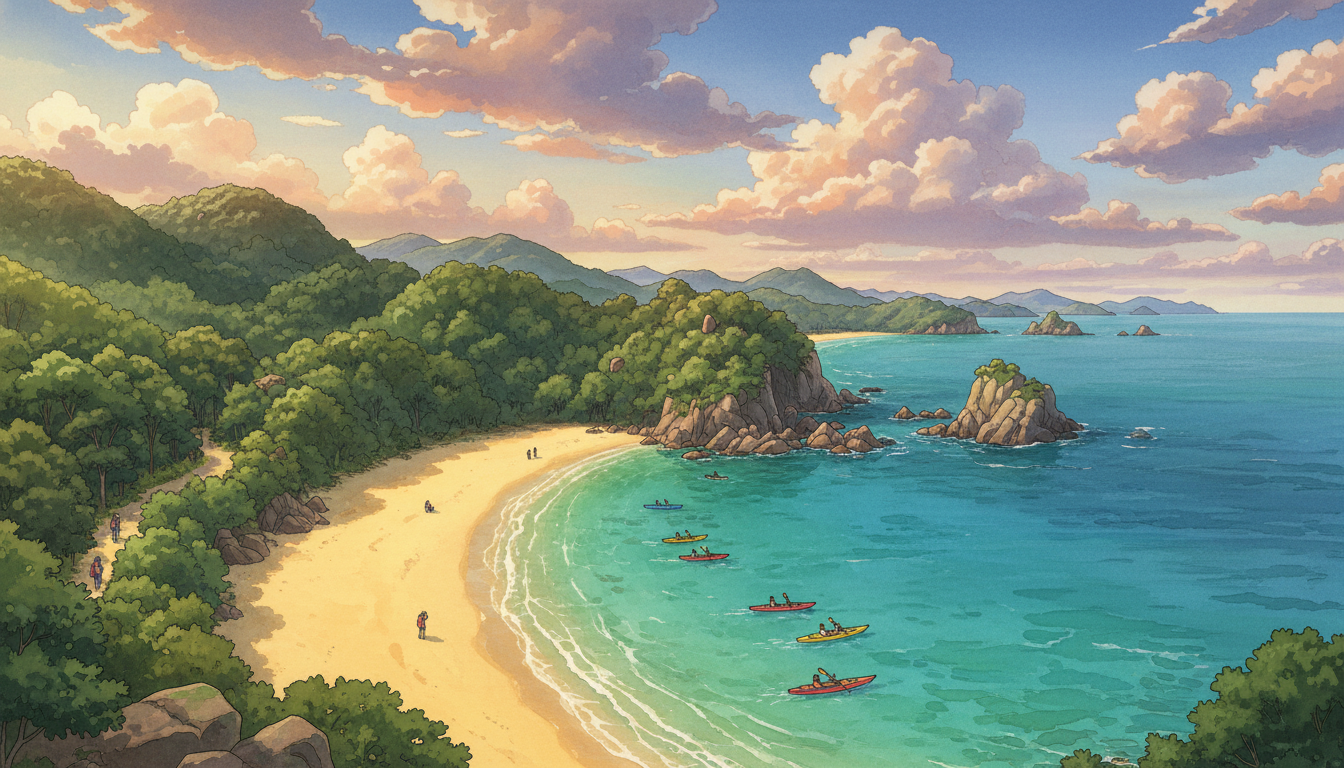
This is the definitive, exhaustive guide to Abel Tasman National Park, New Zealand's coastal gem renowned for its golden beaches, the iconic Abel Tasman Track, and world-class kayaking NZ experiences. At Homejourney, we prioritize user safety and trust, verifying every detail so Singapore travelers can plan confidently. Whether hiking the coastal walk or paddling through turquoise waters, this 2025 pillar covers itineraries, tips, and Singapore connections for seamless adventures.[1][3]
From multi-day treks to day kayaks, we've synthesized official Department of Conservation data, hiker reviews, and insider insights. Expect practical advice, custom itineraries, and links to Homejourney's tools for property explorers eyeing Asian diversification post-trip.
1. Destination Overview
Abel Tasman National Park spans 55,699 hectares on New Zealand's South Island, famous for its golden beaches, clear lagoons, and native forests. Established in 1942, it's the smallest national park but packs diverse ecosystems: coastal tracks, seals, and birdlife.[1]
Why visit? Pristine coastal walk trails like the 60km Abel Tasman Coast Track offer multi-day hikes with beach campsites. Kayaking reveals hidden coves inaccessible by foot. Spring (Sep-Nov) or autumn (Mar-May) are ideal for mild weather and fewer crowds.[6]
Best Time to Visit
- Summer (Dec-Feb): Warm (20-25°C), peak season, book huts early.
- Shoulder Seasons: Perfect for hiking/kayaking with 15-20°C temps.
- Avoid Winter: Rainy, tracks slippery.[1][6]
From Singapore: Direct flights to Nelson via Auckland (12-15 hrs total, ~SGD 1,500 return). Currency: NZD 1 ≈ SGD 0.80; use Homejourney's Bank Rates for real-time conversions when planning investments.
2. Top Attractions & Experiences
Key highlights include Anchorage Bay's sands, Bark Bay's estuary, and Tonga Island Marine Reserve for kayaking seals.[1]
Must-See Landmarks
| Attraction | Distance from Marahau | Highlights |
|---|---|---|
| Anchorage Bay | 12.4km | Golden beach, hut, snorkeling.[1] |
| Bark Bay | ~24km | Suspension bridge, estuary crossing.[1][2] |
| Awaroa Inlet | ~38km | Tidal walk, pizza café.[4] |
Hidden gem: Cleopatra's Pool near Torrent Bay – a 40min return side trip with crystal waters.[1]
3. Complete Hiking Guide: Abel Tasman Track
The Abel Tasman Track is a 60km coastal walk from Mārahau to Whariwharangi, hikeable in 3-5 days. Tracks are well-formed but check tides for estuary crossings.[1][3]
Day-by-Day Breakdown (South to North, 5 Days)
- Mārahau to Anchorage (4hr, 12.4km): Cross estuary causeway, through beech forest to golden sands.[1]
- Anchorage to Bark Bay (3hr, 9km): Torrent Bay all-tide track, Falls River suspension bridge (47m).[1]
- Bark Bay to Awaroa (4.5hr, 14km): Tonga Quarry, Onetahuti Bay boardwalk, low-tide Awaroa crossing.[1][4]
- Awaroa to Tōtaranui (3hr, 9km): Goat Bay landslide, Skinner Point lookout.[1]
- Tōtaranui to Whariwharangi: Gibbs Hill Track option, water taxi exit.[1]
Top day hikes (3-4hr, 8-10km): Bark Bay Suspension Bridge loop or Anchorage to Torrent Bay.[2][5] Fitness: Intermediate; good paths, some climbs (e.g., 550m elevation).[2]
Tidal Crossings Table
| Crossing | Low Tide Window | Alternative |
|---|---|---|
| Bark Bay | 2hrs either side | 10min all-tide track[1][4] |
| Awaroa Inlet | Receding tide | Wait or detour[1] |
4. Kayaking NZ in Abel Tasman
Kayak from Mārahau to southern campsites year-round. Explore marine reserves, seals at Tonga Island. Guided tours: 3-5hrs, SGD ~150; self-guided rentals available.[1]
Insider tip: Combine with hikes – water taxi to Tonga Quarry, kayak back. Check DOC app for tides.[1]
5. Practical Travel Tips from Singapore
Visa: Singaporeans get 3-month NZeTA (SGD 20 online). Flights: Changi to Nelson via AKL. Safety: Low crime; watch tides, sun (UV high).[1]
- Transport: Water taxis from Mārahau (NZD 40-100 one-way).
- Money-saving: Hut bookings NZD 15/night (book via DOC 6 months ahead).
- Gear: Tramping pack, tide chart app.[3][4]
6. Accommodation Guide
Park huts/campsites: Anchorage, Bark Bay (NZD 15-33). Budget: Mārahau hostels (NZD 30/night). Luxury: Awaroa Lodge.
7. Food & Dining
Try Awaroa Café pizza (NZD 20). Local: Fresh seafood, Māori-influenced kai. Nelson markets for supplies.
8. Itinerary Suggestions
3-Day Itinerary
- Day 1: Water taxi to Anchorage, hike to Bark Bay (12km).
- Day 2: Bark Bay to Awaroa, kayak side trip.
- Day 3: Awaroa to Tōtaranui, taxi back.[4]
5-Day Full Track
Follow DOC south-north, with rest days.[1]
9. Abel Tasman to Singapore: Property & Lifestyle Links
Many Abel Tasman visitors explore Singapore for property investment diversification. With stable markets and high yields, it's ideal for NZ expats. Use Homejourney's Property Search for verified listings and Projects Directory for data. Check Bank Rates for SGD-NZD mortgages. For post-move maintenance, see Aircon Services . Compare lifestyles: Abel Tasman's nature vs Singapore's urban safety – both prioritize trust.Moving to Singapore from Waitomo Glowworm Caves: Expat Guide | Homejourney
10. FAQ
What is the Abel Tasman Track distance?
60km from Mārahau to Whariwharangi.[1][3]
Best kayaking spots in Abel Tasman?
Tonga Island, Anchorage lagoons.[1]
Do I need to book huts?
Yes, via DOC.govt.nz, especially summer.[1]
Tide times for Awaroa?
Check DOC app; cross 2hrs after low tide.[1][4]
Singapore to Abel Tasman flight time?
12-15hrs via Auckland.[6]
Is Abel Tasman family-friendly?
Yes, short hikes and kayaks suit kids.[2]
Ready to plan? Homejourney verifies every step for safe travels and investments. Explore Property Search for Singapore properties today.