Korea Cherry Blossom 2026: Budget Travel Guide to Best Spots & Timing
Back to all articles
International Travel10 min read

Korea Cherry Blossom 2026: Budget Travel Guide to Best Spots & Timing

H

Homejourney Editorial

Plan your Korea cherry blossom trip on a budget. Discover peak bloom dates, best spots like Jinhae & Seoul, money-saving tips, and timing for sakura season 2026.

Korea Cherry Blossom 2026: Budget Travel Guide to Best Spots & Timing

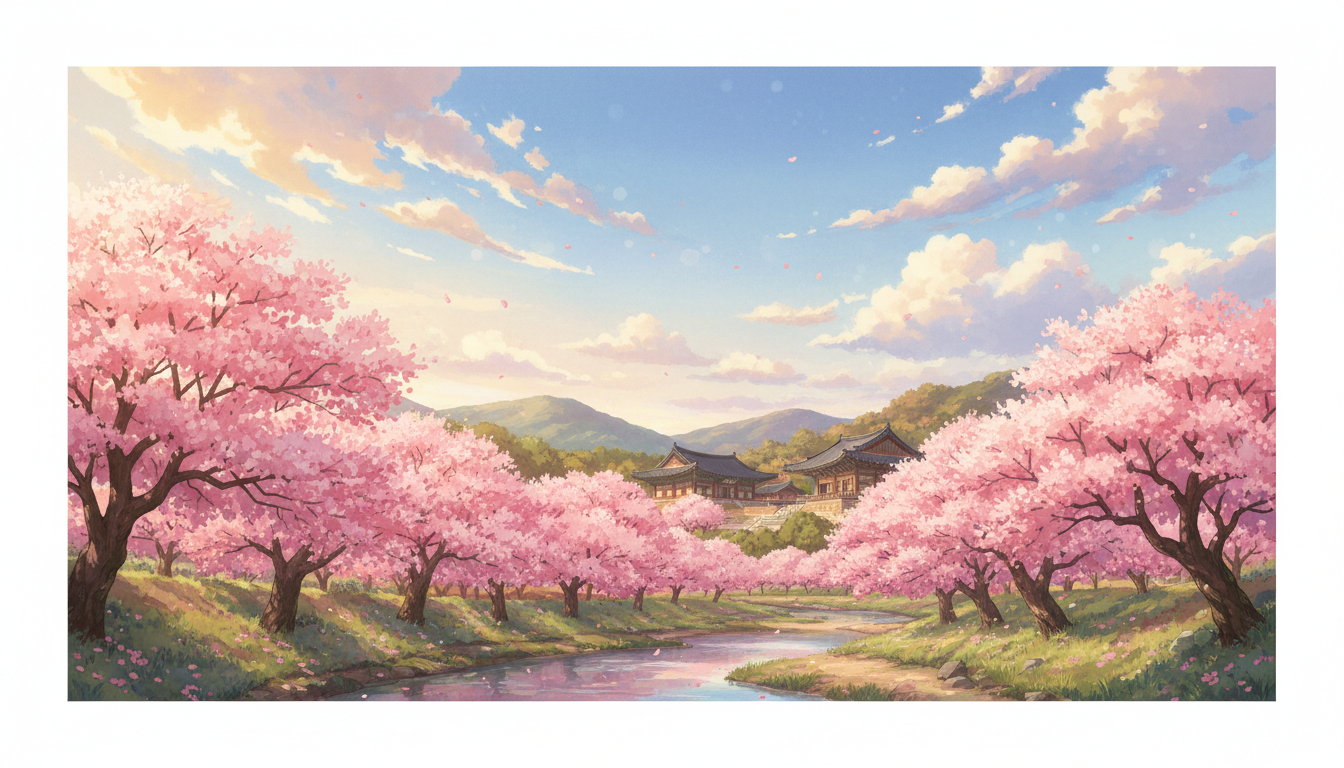
South Korea's cherry blossom season transforms the entire country into a stunning landscape of pink and white petals, and 2026 promises an unusually generous viewing window from late March through mid-April.[1][2] If you're planning a budget-friendly trip to experience Korea's sakura season, timing your visit correctly and knowing where to go can mean the difference between crowded tourist hotspots and authentic, wallet-friendly experiences. This guide covers everything you need to know about the 2026 cherry blossom forecast, the best budget-friendly spots, and practical money-saving strategies for experiencing Korea's most beautiful season.


When to Visit: 2026 Korea Cherry Blossom Forecast

The cherry blossom season in South Korea follows a predictable south-to-north progression, often called Korea's "cherry blossom wave."[2] This staggered timing is perfect for budget travelers because it creates multiple opportunities to plan trips across different regions without needing to visit simultaneously.


Peak Bloom Dates by Region

Understanding the regional timeline helps you maximize your budget by choosing less crowded periods or combining multiple destinations in one trip:

  • Jeju Island: March 24-30 (earliest blooms)[4]
  • Busan: March 27 - April 6[2][4]
  • Jinhae: March 29 - April 6[2]
  • Seoul: April 7-12[2][4]
  • Chuncheon & Northern Regions: April 9 onwards[4]

The blossoms generally last about a week in each region, though rain and wind can shorten this window.[2] For 2026, the best viewing periods are likely between late March and mid-April, with southern regions blooming first and northern areas extending the season into late April.[1]


Budget Travel Tip: Avoid Peak Crowds

The most crowded periods occur during peak bloom in major cities like Seoul (April 7-12) and Jinhae (March 29 - April 6). Budget travelers can save money and enjoy better experiences by visiting slightly before or after peak bloom, when accommodations are cheaper and attractions less crowded. Visiting Busan in late March or Jeju Island in early April offers excellent value with fewer tourists.


Best Budget-Friendly Cherry Blossom Spots

While many travelers flock to famous festivals, Korea offers numerous budget-friendly alternatives that showcase the cherry blossoms without premium prices. Here are the top picks for cost-conscious travelers:


1. Jeju Island - The Budget Pioneer

Jeju Island signals the true beginning of cherry blossom season in Korea, with blooms appearing between March 24-30.[2] The King Cherry Tree, native only to Jeju, produces the largest blossoms in the country.[2] Budget advantages include lower accommodation prices compared to Seoul, and Jeonnong-ro in Jeju City offers wide boulevards shaded by these distinctive trees without festival entrance fees.[2] The lower slopes of Hallasan Mountain provide a striking combination of volcanic landscapes and delicate petals, perfect for free or low-cost exploration. Rural Jeju farm roads and village paths offer softer charm and reward travelers seeking peace away from crowded city centers.


2. Busan - Coastal Beauty on a Budget

Busan's cherry blossoms usually peak between March 31 - April 6, slightly earlier than Seoul.[2] Dalmaji Hill is the city's most iconic viewing point, overlooking Haeundae Beach with blossoms framing sweeping coastal views.[2] For budget travelers, Oncheoncheon Stream provides a more relaxed experience with long walking paths shaded by blossoms that are favored by locals but less crowded than festival venues.[2] Busan Citizens Park offers spacious grounds ideal for families and casual visitors, balancing cherry blossoms with playgrounds and open lawns—perfect for budget picnics.[2] Accommodation and food prices in Busan are generally lower than Seoul, making it an excellent value destination.


3. Jinhae - Festival Experience Without Breaking the Bank

Jinhae is often called the crown jewel of Korea's cherry blossom celebrations, with the Jinhae Cherry Blossom Festival expected to run from March 29 - April 6, 2026.[2] The festival transforms this coastal city into a stage for more than 350,000 cherry trees, with streets, streams, and hillsides becoming shaded by soft pink canopies.[2] While the festival attracts crowds, visiting during the shoulder dates (March 29-30 or April 5-6) offers better value. Many viewing areas are free; you only pay for specific attractions or food vendors within the festival grounds.


4. Gyeongju - History Meets Blossoms

Known as Korea's living museum, Gyeongju blends cherry blossoms with more than a thousand years of heritage.[2] Predicted peak bloom in 2026 falls between April 5-10, overlapping beautifully with the city's historic treasures.[2] Bulguksa Temple, one of Korea's most important Buddhist sites, is especially captivating when blossoms soften the outlines of its stone steps and pagodas.[2] This destination offers excellent value because many temples and historical sites have minimal or no entrance fees, and accommodation is significantly cheaper than Seoul.


5. Yeouido Hangang Park, Seoul - Free Urban Beauty

For budget travelers visiting Seoul, Yeouido Hangang Park offers cherry blossoms completely free.[1] You'll find cherry blossoms lining the paths around Yeouido Hangang Park, especially along Yunjung-ro Street, which transforms into a tunnel of soft pink and white blooms every spring.[1] This area features river views and lots of photo-worthy corners, with nearly two thousand trees stretching along the riverbank.[2] Unlike paid festival venues, this location is completely accessible without entrance fees, making it perfect for budget-conscious travelers.


Money-Saving Strategies for Korea Cherry Blossom Season

Beyond choosing the right destination, several practical strategies can significantly reduce your travel costs:


Accommodation Hacks

  • Visit shoulder dates: Book accommodations March 24-28 or April 7-9 for 30-50% discounts compared to peak bloom dates
  • Choose regional cities: Jeju, Busan, and Gyeongju offer 40-60% cheaper hotels than Seoul
  • Consider guesthouses and hostels: Korean guesthouses (hanok stays) and hostels cost $20-40 per night versus $80-150 for hotels
  • Use Airbnb alternatives: Korean platforms like Naver or Coupang offer competitive rates


Transportation Savings

Inter-city travel in Korea is affordable and efficient. Express buses between cities cost $10-20, while KTX trains offer reasonable rates for longer distances. Within cities, T-money cards (rechargeable transit cards) provide discounts on subway and bus fares. Flying from Singapore to Busan or Jeju instead of Seoul can sometimes save money and puts you closer to early-season blooms.[1][4]


Food Budget Tips

Eating in Korea is inherently budget-friendly. Street food costs $2-5 per item, local restaurants serve full meals for $5-8, and convenience stores offer quality meals for $3-4. Visit local markets (like Jagalchi Market in Busan) for fresh produce and street food at fraction of restaurant prices.


Free and Low-Cost Activities

  • Walking along cherry blossom-lined streets and parks (completely free)
  • Visiting temples and historical sites (many free or $2-5 entrance)
  • Exploring local neighborhoods and taking photos
  • Attending free cultural performances often held during festival periods
  • Hiking mountain trails with cherry blossom views


Planning Your Budget Itinerary

The south-to-north progression allows budget travelers to create multi-city itineraries that maximize value. A typical budget approach involves starting in Jeju (late March), moving to Busan (early April), then heading to Seoul (mid-April), with total accommodation costs significantly lower than focusing on Seoul alone.


Sample 7-Day Budget Itinerary

  • Days 1-2 (March 25-26): Jeju Island - King Cherry Trees, Hallasan Mountain slopes, local markets
  • Days 3-4 (March 27-28): Busan - Oncheoncheon Stream, Dalmaji Hill, Busan Citizens Park
  • Days 5-6 (March 31 - April 1): Jinhae - Festival exploration, Yeojwacheon Stream
  • Day 7 (April 2): Return to Singapore or extend to Seoul

Estimated budget: $800-1,200 including flights from Singapore, accommodation, food, and local transport (excluding international airfare).


Practical Travel Information

Visa Requirements for Singapore Travelers

Singapore passport holders enjoy visa-free entry to South Korea for up to 90 days, making it one of the easiest destinations to visit. No advance visa application is needed—simply arrive with a valid passport.


Currency and Money Management

South Korea uses the Korean Won (KRW). As of early 2026, exchange rates typically hover around 1,000-1,100 KRW per Singapore Dollar. Budget travelers should exchange money at airports or use ATMs for better rates than money changers. Credit cards are widely accepted in cities but carry cash for rural areas and street vendors.


Getting Around Korea

Korea's transportation system is excellent and affordable. Purchase a T-money card (rechargeable transit card) for subway and bus discounts. Express buses connect cities for $10-20, while KTX trains offer faster but slightly pricier options. Within Seoul, the subway is efficient and costs around $1-2 per trip with a T-money card.


Weather and Packing Tips

Spring temperatures in Korea during cherry blossom season typically range from 15-18°C, making it cool and comfortable for exploring.[1] Pack layers including a light jacket, as mornings and evenings can be cool while afternoons warm up. Comfortable walking shoes are essential for exploring parks and temple grounds. Bring a light rain jacket, as spring showers can occur and might shorten the blossom viewing window.[2]


Connecting Your Asian Travel to Property Opportunities

Many travelers who explore multiple Asian destinations like Korea often consider long-term relocation or property investment in the region. If you're from Korea or considering Asia as a base for business or lifestyle, Singapore offers unique advantages as a stable, cosmopolitan hub. Singapore's property market attracts international investors seeking diversification beyond their home countries, and the city-state's central location makes it ideal for those doing business across Asia.

If you're interested in exploring Singapore property opportunities—whether as a second home, investment property, or relocation destination—Property Search ">Homejourney's property search platform helps international buyers navigate Singapore's market with transparency and trust. Many expats who visit Korea for cherry blossoms later explore Singapore as a complementary Asian investment or relocation option.


Frequently Asked Questions

What is the best month to see cherry blossoms in Korea?

Cherry blossoms in Korea usually bloom between late March and early April, depending on weather and location.[1] Southern areas like Jeju and Busan bloom first (late March), while Seoul and central regions follow about a week later (early to mid-April).[1][2] For 2026, peak season falls in early April for most regions.[1]


How long do cherry blossoms last in Korea?

The blossoms generally last about a week in each region, though rain and wind can shorten this window.[2] This is why timing your visit correctly is crucial for budget travelers—visiting slightly before peak bloom ensures you catch the flowers while avoiding peak-season prices.


Is Jinhae worth visiting during cherry blossom season?

Yes, Jinhae's cherry blossom festival (March 29 - April 6, 2026) transforms the coastal city into a stage for more than 350,000 cherry trees.[2] While it attracts crowds, visiting during shoulder dates offers better value. Many viewing areas are free; you only pay for specific attractions or food within festival grounds.


Can I see cherry blossoms in Seoul without paying entrance fees?

Absolutely. Yeouido Hangang Park offers completely free cherry blossom viewing with nearly two thousand trees stretching along the riverbank.[2] This is one of Seoul's most popular cherry blossom spots, with river views and photo-worthy corners accessible without any entrance fee.


What's the cheapest way to travel between cherry blossom cities in Korea?

Express buses are the most budget-friendly option, costing $10-20 between major cities. KTX trains are faster but more expensive. Within cities, purchase a T-money card for subway and bus discounts. Flying from Singapore to Busan or Jeju instead of Seoul can sometimes save money while positioning you closer to early-season blooms.


Plan Your 2026 Korea Cherry Blossom Adventure

South Korea's cherry blossom season offers an extraordinary experience that doesn't require a luxury budget. By understanding the south-to-north progression of blooms, choosing less-crowded regions, and visiting during shoulder dates, you can experience Korea's sakura season authentically and affordably. The 2026 forecast predicts an unusually generous window from late March through mid-April, giving budget travelers multiple opportunities to plan their perfect cherry blossom trip.

References

  1. Singapore Property Market Analysis 1 (2026)
  2. Singapore Property Market Analysis 2 (2026)
  3. Singapore Property Market Analysis 4 (2026)
Tags:Singapore PropertyInternational Travel

Follow Homejourney

Get the latest property insights and tips

Disclaimer

The information provided in this article is for general reference only. For accurate and official information, please visit HDB's official website or consult professional advice from lawyers, real estate agents, bankers, and other relevant professional consultants.

Homejourney is not liable for any damages, losses, or consequences that may result from the use of this information. We are simply sharing information to the best of our knowledge, but we make no representations or warranties of any kind, express or implied, about the completeness, accuracy, reliability, suitability or availability of the information contained herein.