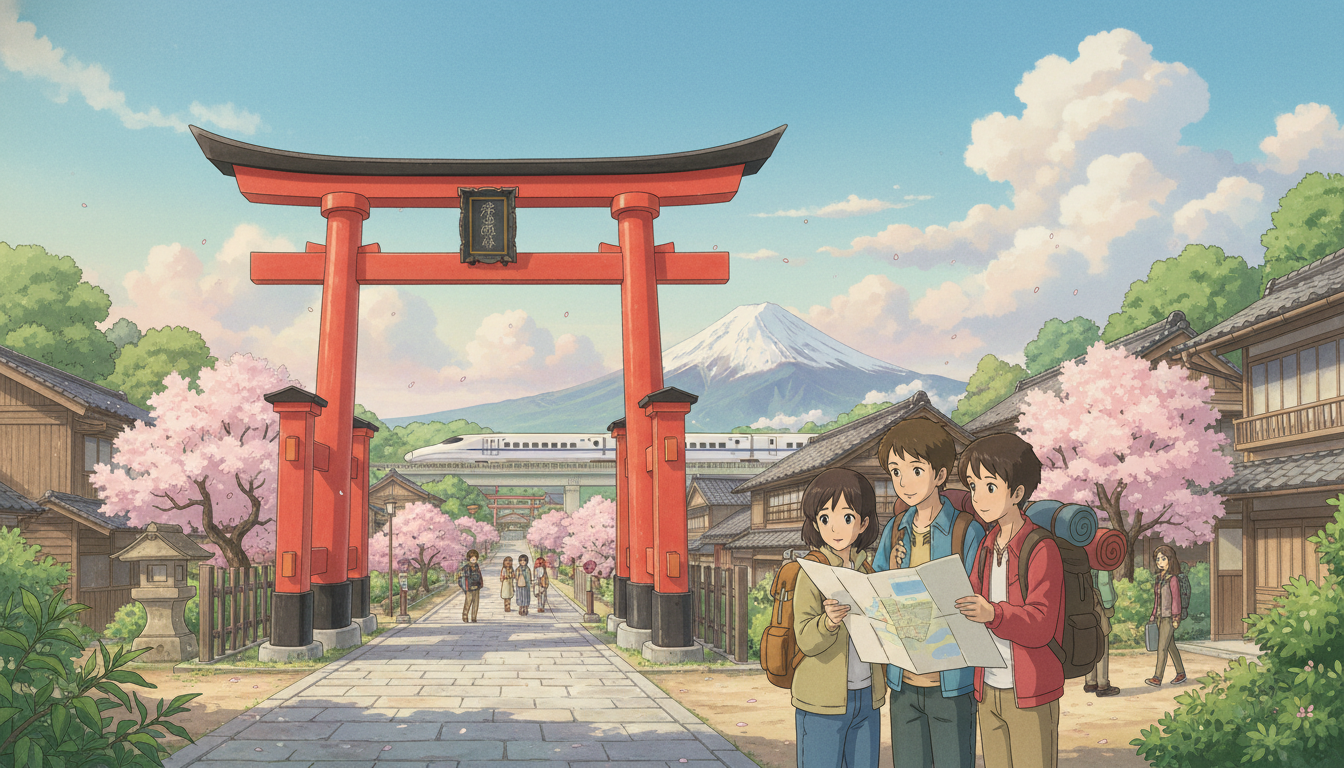
Japanese Phrases for Kids: Your Family Travel Guide
Traveling to Japan with children becomes significantly easier when you and your kids know basic Japanese phrases that facilitate communication, build confidence, and show respect for local culture. While many Japanese people speak English, learning family-friendly phrases transforms your trip from stressful to enjoyable—especially when navigating restaurants, asking for directions, or handling unexpected situations with your children.
This guide provides you with practical, kid-tested Japanese phrases that families can learn together before departure, making your journey through Japan safer, more connected, and genuinely memorable. At Homejourney, we believe that travel preparation—like understanding local language—is essential to creating trustworthy, confident experiences for your family.
Why Learning Japanese Phrases Matters for Family Travel
Teaching children basic Japanese phrases before traveling offers multiple benefits beyond simple communication. Language learning builds cultural awareness, helps kids feel more confident in unfamiliar environments, and demonstrates respect to local communities.[1] Japanese people genuinely appreciate visitors' efforts to speak their language, which often results in warmer interactions and better assistance when you need it.
For families, knowing key phrases reduces anxiety about potential language barriers. When your child can ask "Toire wa doko desu ka?" (Where is the toilet?), they feel empowered rather than helpless. This confidence translates into better behavior, more enjoyment, and safer travel experiences overall.
Essential Greetings and Politeness Phrases for Kids
Start with foundational phrases that children can easily remember and use throughout their trip.[3] These greetings establish positive interactions with locals and create a respectful foundation for all other conversations.
- Konnichiwa (こんにちは) – Hello. Use this during daytime interactions with shopkeepers, hotel staff, and restaurant servers.[3]
- Arigatou gozaimasu (ありがとうございます) – Thank you very much. This formal version shows respect and should be used after meals, when receiving help, or making purchases.[1][3]
- Arigatou (ありがとう) – Thank you. A casual version acceptable in informal situations with peers or children.
- Sumimasen (すみません) – Excuse me. Use this to get someone's attention, apologize, or politely pass by someone in crowded spaces.[1][3]
- Sayōnara (さようなら) – Goodbye. Perfect for ending interactions and departing.[5]
Teach children that politeness in Japan is highly valued.[3] Even if their pronunciation isn't perfect, locals will appreciate the effort and respond with patience and warmth. Practice these phrases together as a family game before departure—make it fun rather than formal.
Dining Phrases Every Family Needs
Restaurant experiences create some of the best travel memories, but language barriers can make dining stressful. Teach your kids these food-related phrases to navigate menus, express preferences, and show appreciation.[2]
- Oishii desu! (美味しいです!) – It's delicious! This phrase delights restaurant staff and creates genuine connections.[3]
- Gochisousama deshita (ごちそうさまでした) – Thank you for the meal. Say this when finishing, showing gratitude for the experience.[3]
- Eigo no menyū wa arimasu ka? (英語のメニューはありますか) – Do you have an English menu?[2]
- Osusume wa nandesu ka? (おすすめはなんですか) – What would you recommend?[2]
- Ikura desu ka? (いくらですか?) – How much is this? Essential for understanding prices.[1][2]
For younger children, learn names of common foods they enjoy: mizu (water), pan (bread), gohan (rice), sakana (fish), toriniku (chicken).[2] This helps them request familiar foods or identify items they prefer to avoid.
Safety and Emergency Phrases for Children
While travel should be enjoyable, preparing children with safety phrases provides peace of mind. These phrases help kids communicate needs, ask for help, and navigate unexpected situations independently.[1][3]
- Sumimasen, wakarimasen (すみません、わかりません) – Sorry, I don't understand. This signals that your child needs help or simpler explanations.[1]
- Yukkuri onegaishimasu (ゆっくり お願いします) – More slowly, please. Teaches kids to advocate for clearer communication.[1]
- Toire wa doko desu ka? (トイレはどこですか?) – Where is the toilet? One of the most practical phrases for families.[1][2]
- Eigo ga hanasemasu ka? (英語が話せますか?) – Do you speak English? Helps identify bilingual assistance.[1][2]
- Tasukete kudasai (助けてください) – Please help me. A crucial phrase for emergencies or when children feel lost or overwhelmed.
Role-play these scenarios with your children before traveling. Practice asking for the toilet, requesting help from a store clerk, or explaining that they don't understand. This preparation builds confidence and ensures they can communicate effectively if separated from you momentarily.
Shopping and Money Phrases for Family Travel
Japan offers incredible shopping experiences, from convenience stores to traditional markets. Teach children these phrases to navigate purchases independently or assist you while shopping.[2]
- Kore wa ikura desu ka? (これはいくらですか?) – How much is this?[2]
- Kureditokādo wa tsukaemasu ka? (クレジットカードは使えますか?) – Can I use a credit card?[2][3]
- Shichaku ii desu ka? (試着いいですか) – Can I try it on?[2]
- Kore kudasai (これください) – I'll take this one. Simple and effective for purchases.
Importantly, teach children that haggling isn't customary in Japan.[1] Once a price is named, it's final. This prevents awkward situations and teaches respect for local business practices.
Direction and Navigation Phrases
Japan's train system and pedestrian-friendly cities make navigation relatively straightforward, but knowing how to ask for directions helps children feel confident exploring.[2]
- Doko desu ka? (どこですか?) – Where is it? A versatile question adaptable to any location.
- Eki wa doko desu ka? (駅はどこですか?) – Where is the train station?[2][4]
- Kono basho ni iki tai desu (ここへ行きたいです) – I want to go to this place.[2]
- Michi ga wakarimasu ka? (道がわかりますか?) – Do you know the way?
Japanese people are known for their omotenashi (hospitality).[1] When asking for directions, locals often go beyond simple instructions—they may walk you partway or use gestures to clarify. Teach children to accept this kindness graciously and express gratitude.
Making Learning Fun: Family Preparation Strategies
Transform language learning into an engaging family activity rather than a chore. Create flashcards with illustrations, watch Japanese children's videos together, or use language learning apps that gamify the experience. Practice pronunciation by listening to native speakers online—this helps children internalize correct intonation and rhythm.[3]
Set realistic goals: children don't need to become fluent. Learning 15-20 key phrases provides sufficient communication tools for most travel situations. Celebrate small victories—when your child successfully orders food or asks for directions, acknowledge their achievement enthusiastically.
Consider creating a family phrase notebook where each child decorates pages with their favorite phrases. This becomes a souvenir while reinforcing learning. Before departure, have each family member practice their "specialty" phrases—one child masters dining phrases, another focuses on directions, etc.
Practical Tips for Using Japanese Phrases with Kids
Be respectful and patient.[3] If locals don't understand, smile and try again or use gestures. Japanese people genuinely appreciate visitors' efforts, especially children's attempts. Never feel embarrassed about imperfect pronunciation—effort matters more than perfection.
Use gestures strategically.[3] When language fails, hand gestures, pointing, and facial expressions communicate effectively. Combined with basic phrases, gestures bridge communication gaps naturally.
Carry a translation app as backup. While learning phrases builds confidence, having a reliable translation tool (Google Translate, offline apps) provides security for complex situations. This removes pressure from children and lets them focus on enjoying the experience.
Praise effort over accuracy. When children attempt phrases, celebrate their courage regardless of pronunciation. This builds confidence for future attempts and creates positive associations with language learning.
Connecting Your Japan Experience to Singapore Opportunities
Many international travelers who explore Japan also consider property investment opportunities across Asia. If your family is from Japan or considering relocation to Asia, Singapore offers compelling advantages as a secondary home or investment property. Singapore's strategic location, excellent schools, and stable real estate market make it attractive for families seeking Asian diversification.
At Homejourney, we support multiple currencies including Japanese yen, making it seamless for Japanese investors to explore Singapore properties. Whether you're interested in family-friendly residential areas, investment opportunities, or vacation properties, our Property Search platform provides verified, trustworthy listings with transparent information. For financing options, explore our Bank Rates page to understand mortgage rates for international buyers.
Our commitment to user safety and transparency—the same values that make travel preparation important—guides our approach to real estate. We verify all information to ensure you can make confident property decisions, just as you prepare confidently for family travel.
FAQ: Japanese Phrases for Family Travel
Q: What's the best age to start teaching children Japanese phrases?
A: Children as young as 4-5 years old can learn simple greetings and phrases through games and repetition. Older children (8+) can master more complex phrases. Focus on making learning playful rather than academic.
Q: How many phrases should children learn before traveling?
A: 15-20 key phrases provide sufficient communication tools for most situations. Quality of learning matters more than quantity—children should feel confident pronouncing phrases they've practiced repeatedly.
Q: Will learning phrases help if my child is shy or anxious?
A: Absolutely. Language preparation builds confidence and reduces anxiety about communication barriers. Children who know they can ask for the toilet or order food independently feel more secure and adventurous.
Q: What if my child forgets a phrase while traveling?
A: This is completely normal and part of the learning experience. Carry a small phrase guide, use translation apps, or use gestures. Japanese people are patient and appreciate the effort regardless of mistakes.
Q: Should we learn hiragana and katakana?
A: For casual travel, it's not necessary. However, learning hiragana helps children recognize station signs and menus marked for children.[1] Consider it optional but beneficial if time permits.
Prepare Confidently for Your Japan Family Adventure
Learning Japanese phrases transforms family travel from potentially stressful to genuinely enjoyable. When children feel equipped to communicate, they become more confident, engaged, and adventurous travelers. The effort you invest in language preparation pays dividends throughout your trip—in meaningful interactions with locals, successful navigation of unfamiliar situations, and memories of your children confidently ordering their favorite ramen or asking directions to the next attraction.
Start your preparation today. Make it fun, celebrate progress, and watch your family's confidence grow. Japan awaits—and your children will surprise you with how much they can communicate with just a few essential phrases.
For more international travel preparation tips, explore our related guides: Essential Japanese Phrases for Travelers: Homejourney Guide and . And when you're ready to explore property opportunities in Asia, Homejourney is your trusted partner for safe, verified real estate information.