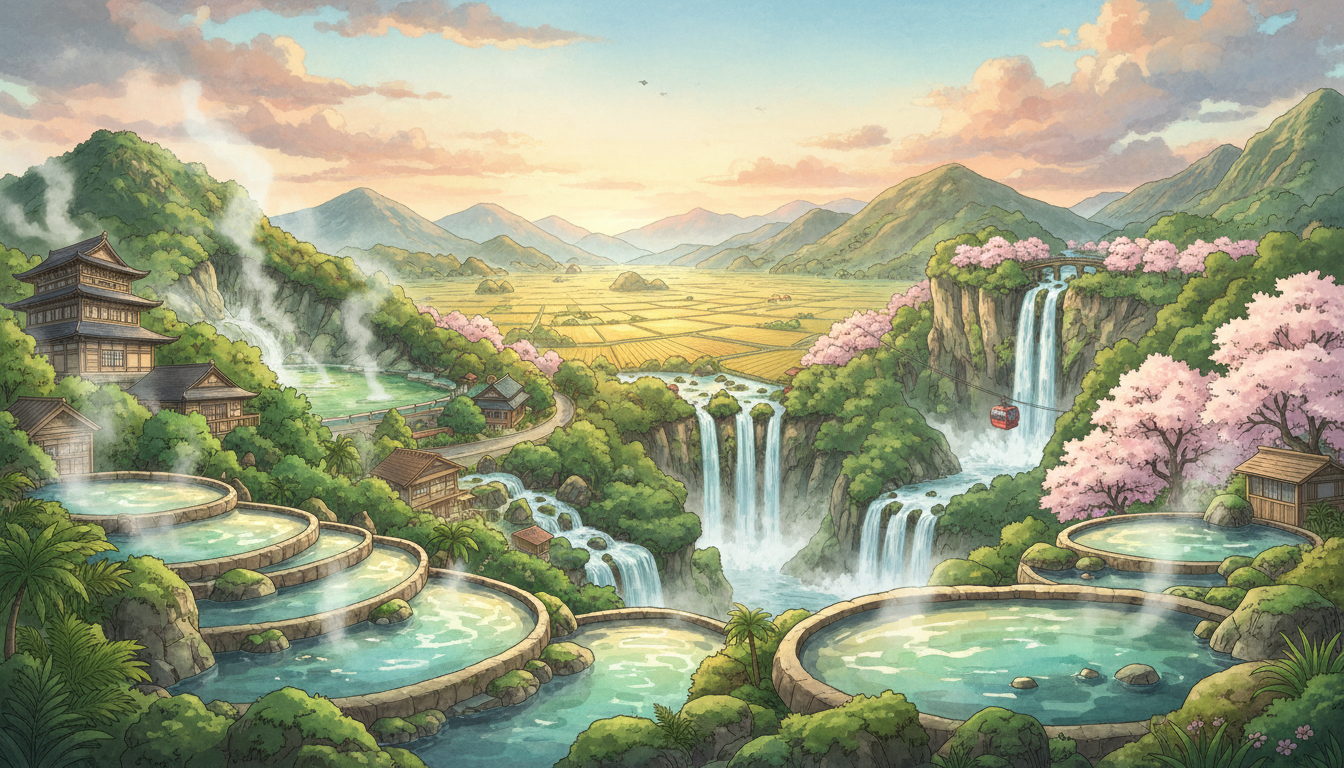
Taiwan hot springs like Beitou, Jiaoxi and Wulai are some of the easiest, safest and most rewarding getaways for Singapore travellers looking for a short retreat with a hint of Japanese onsen culture, great food and potential regional property opportunities.
As a Singapore‑focused real estate and lifestyle platform, Homejourney has curated this definitive guide based on repeated on‑ground trips, verified travel data, and feedback from Singapore users who regularly combine Taiwan getaways with long‑term planning for Asian property investment.
Executive Summary: Why Beitou, Jiaoxi & Wulai Matter to Singapore Travellers
If you only remember three things from this guide:
- Beitou – Taipei’s classic hot spring district with Japanese colonial charm, museums and easy MRT access; perfect as a half‑day to full‑day add‑on to a Taipei city stay.[1][6]
- Jiaoxi – A compact hot spring town in Yilan, famous for its rare skin‑friendly sodium bicarbonate springs, free public foot baths and a wide range of hot spring resorts near the train station.[5][8]
- Wulai – A riverside mountain retreat south of Taipei, known for clear hot spring water, indigenous Atayal culture, waterfalls and quiet nature stays.[3][5]
For Singaporeans, these areas tick several boxes: cool weather, safe public infrastructure, family‑friendly attractions, halal‑conscious options in Taipei city, and straightforward travel logistics from Changi.
Table of Contents
- Overview: Taiwan Hot Springs & Onsen Culture
- Why Singapore Travellers Love Beitou, Jiaoxi & Wulai
- Best Time to Visit & Weather Tips
- Getting There from Singapore
- Beitou Hot Springs Guide
- Jiaoxi Hot Springs Guide
- Wulai Hot Springs Guide
- Practical Travel & Safety Tips for Singapore Travellers
- Accommodation Guide: Where to Stay
- Food & Dining Around the Hot Springs
- Suggested 3‑Day & 5‑Day Itineraries
- Connecting to Singapore Property & Lifestyle with Homejourney
- FAQ: Taiwan Hot Springs for Singapore Travellers
1. Overview: Taiwan Hot Springs & Onsen Culture
Taiwan is nicknamed a "World Hot Spring Museum" because of its dense concentration of natural hot springs across a compact island.[3][5] Northern Taiwan alone offers Beitou, Jiaoxi, Wulai, Jinshan and more, all within 1.5–2 hours of Taipei.[2][3]
Hot spring culture in Taiwan is strongly influenced by Japanese onsen traditions: etiquette, bathing nude in some facilities, and a focus on slow, mindful soaking. But it is also shaped by local Taiwanese food culture, night markets and a generally relaxed, family‑oriented atmosphere.
For Singapore travellers used to onsen in Japan, Taiwan hot springs feel familiar but are:
- Closer (about 4.5–5 hours by direct flight from Changi to Taipei)
- Usually more affordable for similar quality
- Less language‑intimidating if you are comfortable with Mandarin, though English is still reasonably available in tourist districts
2. Why Singapore Travellers Love Beitou, Jiaoxi & Wulai
From Homejourney’s user feedback and trip data, three hot spring hubs consistently stand out:
- Beitou – Best option if you prefer to base yourself entirely in Taipei and make a quick hot spring trip via MRT. Ideal for first‑timers and families with older parents who prefer minimal transfers.[1][2][6]
- Jiaoxi – Great if you enjoy resort‑style hot spring hotels with in‑room tubs, plus easy access to Yilan’s food scene and nature. Popular for couples and multi‑generational family trips.[4][5][8]
- Wulai – Suits travellers who value quieter, nature‑focused escapes, with indigenous cultural elements and riverside landscapes.[3][5]
Several Singapore families on Homejourney who usually travel to Johor Bahru or Bali for short breaks (Best JB Shopping Malls With Kids: Family Guide from Singapore | Homejourney , 巴厘岛亲子游完整指南:新加坡家庭7天行程规划|Homejourney ) now add a 4–6 day Taiwan hot spring trip as a cooler‑weather alternative, especially for school holidays between November and February.
3. Best Time to Visit & Weather Tips
Best season for hot springs: October to April, when temperatures are cooler and more comfortable for soaking outdoors.[1][2]
Key seasonal notes for Singapore travellers:
- October–December: Generally cool and pleasant; less rain than peak winter. Great for Beitou and Wulai day trips.
- January–February: Coldest period; ideal for outdoor pools but pack proper winter layers, especially for Wulai’s mountain air.
- March–April: Still suitable for hot springs, with cherry blossoms in some higher‑elevation areas.
- May–September: Warm to hot and more humid; hot springs still open but feel more like spa/relaxation than a cold‑weather treat. Check for typhoon‑related disruptions.
Compared to Singapore’s constant 30–33°C, Taiwan’s 10–18°C winter daytime temperatures make soaking genuinely therapeutic rather than overly hot, especially for children and older parents.
4. Getting There from Singapore
Flight: Direct flights from Singapore Changi (SIN) to Taipei Taoyuan (TPE) typically take around 4.5–5 hours, served by major carriers like Singapore Airlines, Scoot and EVA Air. Fares outside peak periods can range roughly from SGD 250–600 return depending on airline and sale period (check directly with airlines for current prices).
From Taoyuan Airport to Taipei city:
- Taoyuan Airport MRT to Taipei Main Station: around 35–40 minutes.
- Taxi or private transfer: 40–60 minutes depending on traffic.
From Taipei to Beitou:
- Take Taipei MRT Red Line to Beitou, then transfer to the spur line to Xinbeitou Station. Total from Taipei Main: about 30–35 minutes, plus a 5–10 minute walk to most public hot springs.[2][6]
From Taipei to Jiaoxi:
- TRA regional train from Taipei Main to Jiaoxi Station in Yilan: around 1–1.5 hours depending on train type.[4][8]
- Many hot spring resorts are within a 5–10 minute walk or short taxi ride from Jiaoxi Station.[4][8]
From Taipei to Wulai:
- MRT to Xindian Station (Green Line), then local bus to Wulai Old Street. Total travel time around 1–1.5 hours.[3][5]
For Singaporeans used to MRT and bus, the transition is very natural. Payment via EasyCard or iPASS functions similarly to EZ‑Link.
5. Beitou Hot Springs Guide: Taipei’s Classic Onsen District
5.1 Beitou at a Glance
Beitou, in northern Taipei, is Taiwan’s most famous hot spring area, built during the Japanese colonial era around natural hot spring waters from Yangmingshan.[1][6] The hot springs here include white sulfur, green sulfur and iron sulfur types, creating a distinctive geothermal landscape.[1][7]
The district is compact: from Xinbeitou MRT, most attractions — Beitou Park, Hot Spring Museum, public baths and Thermal Valley — are within a 5–15 minute walk.[2][6]
5.2 Key Hot Spring Attractions in Beitou
- Beitou Thermal Valley (Hell Valley 地熱谷) – A steaming jade‑green pool near the source of Beitou’s hot spring water, with temperatures close to boiling and thick sulfuric mist rising from the surface.[1][2] It is one of only two green sulfur hot springs in the world.[1]
- Beitou Public Hot Spring (Millennium Hot Springs 北投公共溫泉) – An outdoor public hot spring facility with multiple pools of different temperatures, very affordable at around TWD 60 for adults.[1] This is one of the best "local" experiences if you are comfortable with mixed‑gender pools requiring swimsuits.
- Hot Spring Hotels & Private Baths – Numerous hotels around Xinbeitou offer day‑use hot spring access or in‑room tubs, ideal for Singapore families or couples who prefer privacy.[2][6]
- Beitou Hot Spring Museum – A historic Japanese‑era bathhouse turned museum, explaining the area’s history and bath culture; a good stop if you like heritage and architecture.[6][9]
5.3 Beitou Insider Tips for Singapore Travellers
- Best time of day: Morning sessions (around 9–11am) are usually less crowded, especially on weekdays. Avoid late Saturday afternoons which can be busy with local families.
- Bring your own towel, swimwear and swim cap – many facilities require caps in pools and charge extra for rental.[2]
- Family‑friendly strategy: For older parents or young kids who may tire easily, choose a hotel near Xinbeitou with in‑room or private family baths so they can rest between sessions.
- Accessibility: The main park paths and public baths are reasonably flat, but Thermal Valley has some stairs; consider this if traveling with wheelchairs or strollers.
5.4 Suggested Half‑Day Beitou Walking Route
This route reflects how many Singapore Homejourney users structure their day:
- Arrive at Xinbeitou Station (late morning).
- Walk through Beitou Park (5 minutes) towards the Hot Spring Museum – quick photo and short visit (30–45 minutes).[6][9]
- Continue to Thermal Valley (another 5–10 minutes walk) for scenic photos and a short loop around the steaming lake (30 minutes).[1][2]
- Head back towards a chosen hot spring hotel or the Beitou Public Hot Spring for a soak (1.5–2 hours).[1][2]
- Early dinner in Beitou or return to central Taipei for more food options.
6. Jiaoxi Hot Springs Guide: Yilan’s Resort Town
6.1 Why Jiaoxi is Popular with Singapore Families
Jiaoxi (礁溪) in Yilan County is famous for its rare sodium bicarbonate hot springs, known locally to leave skin feeling soft and smooth.[5][8] The town blends:
- Public bathhouses and free hot spring foot bath parks
- Mid‑range to luxury hot spring resorts with in‑room tubs
- Nearby waterfalls and easy countryside excursions
For Singaporeans, Jiaoxi feels like a hot spring ‘suburb’ with everything walkable from the train station, similar to staying near a single MRT hub with all amenities clustered around.
6.2 Main Hot Spring Spots & Facilities
- Jiaoxi Public Hot Spring Park – A free or low‑cost park with foot bath pavilions, walking trails, children’s play areas and gender‑separate public baths.[4] It sits near the intersection of Deyang Road and Ren’ai Road, about 5–10 minutes on foot from Jiaoxi Station.[4]
- Sidewalk Foot Baths – One of Jiaoxi’s charms is having hot spring foot baths integrated into sidewalks and small plazas, where you can soak while waiting or snacking.[4][5]
- Private Rooms & Hotel Baths – Many hotels offer either private bath rooms you can rent by the hour or guest‑only pools. For Singapore travellers used to privacy, this is often more comfortable than large public nude baths.
- Fish Spa Pools – Some facilities offer hot spring fish spas, where small fish nibble dead skin while you soak your feet.[5]
6.3 Jiaoxi: Things to Do Beyond the Hot Springs
Jiaoxi is a good base to explore Yilan attractions:
- Wufengqi Waterfall – A short taxi ride followed by a moderate walk; a popular half‑day nature trip.
- Local Markets & Street Food – Small night markets and street stalls around the station offer typical Taiwanese snacks.
- Day trips to Luodong and Yilan City – Easily accessible by train for more extensive food and shopping.
6.4 Insider Tips for Jiaoxi
- Choose accommodation close to the station