
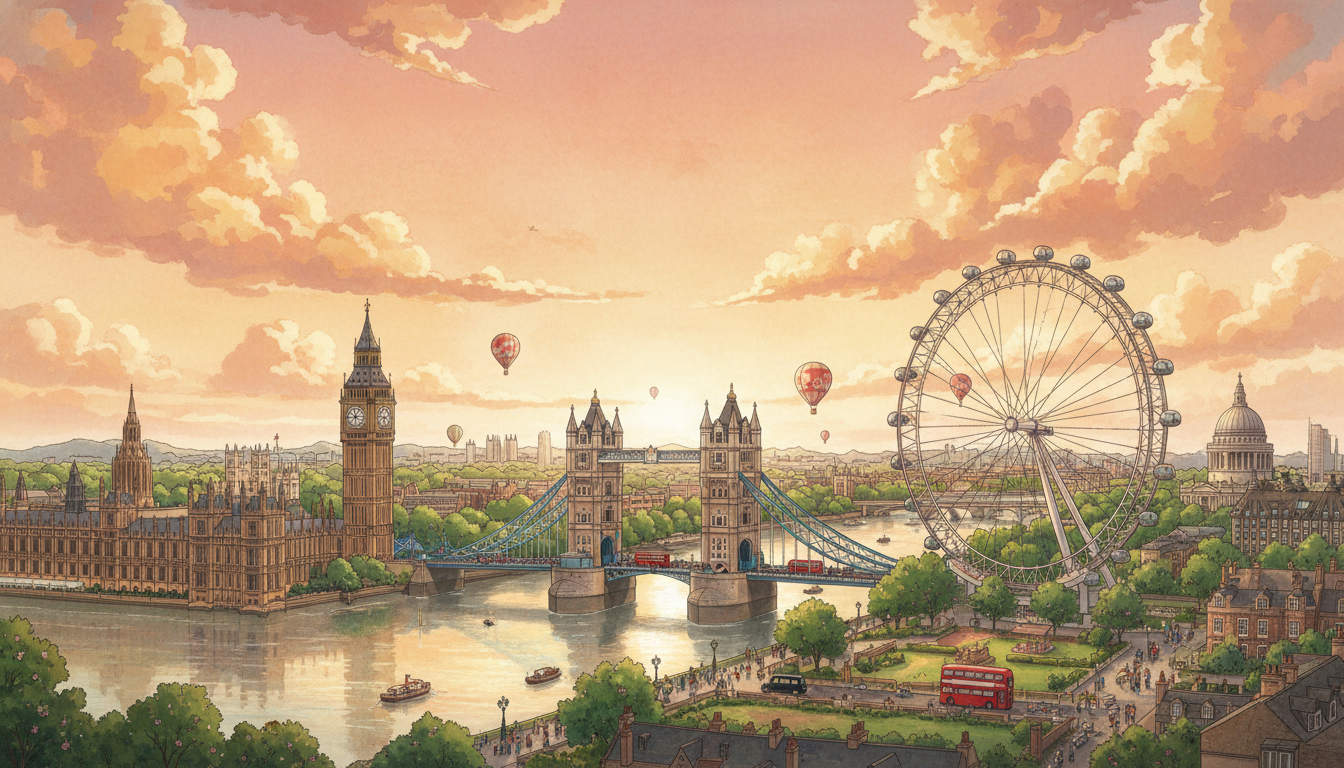
London UK is one of the few cities that feels familiar even on a first visit – you have seen its skyline, royal pageantry and red buses in films for years – yet it still surprises you when you finally arrive. For Singapore travellers and investors, understanding the best things to do in London is not just about ticking off attractions, but also about comparing lifestyles, neighbourhoods and long-term opportunities across two global hubs. Homejourney’s focus on safety, trust and data-driven insights makes this guide your reliable starting point for planning both your London trip and your broader life and property journey.
This complete guide to things to do in London UK covers when to visit, essential attractions, local neighbourhoods, practical safety tips, money-saving strategies, where to stay, and how London connects to Singapore – including how travellers often progress from ‘short trip’ to ‘should I diversify some property investment into Asia?’
Table of Contents
- 1. London UK Overview for Singapore Travellers
- 2. Best Time to Visit London UK
- 3. Getting to London from Singapore
- 4. Currency, Costs and Money Tips
- 5. Top London Attractions and Must-See Sights
- 6. Cultural Experiences, Museums and Theatre
- 7. Hidden Gems and Local Neighbourhoods
- 8. Practical Travel & Safety Tips for Singapore Visitors
- 9. Getting Around London Safely and Efficiently
- 10. Where to Stay in London: Area-by-Area Guide
- 11. Food & Dining: What to Eat in London
- 12. Sample 3-Day and 5-Day London Itineraries
- 13. Best Day Trips from London
- 14. From London to Singapore: Travel, Lifestyle and Property Links
- 15. FAQ: Things to Do in London UK for Singapore Travellers
1. London UK Overview for Singapore Travellers
London is the capital and largest city of the United Kingdom, with a population of nearly 9 million and a metropolitan area exceeding 14 million people.[5] It is a global centre for finance, arts, education and technology, much like Singapore, but spread over a far larger geographic area and with centuries of preserved heritage layered into its streets.
First-time visitors from Singapore usually notice three things immediately:
- The scale – central London is walkable between clusters of attractions, but the Greater London region is vast.
- The history – Roman walls, medieval churches, Victorian terraces and glass skyscrapers sit side by side.[5]
- The green space – royal parks like Hyde Park, Green Park and St James’s Park act almost like a giant, open-air “Botanic Gardens” system across the city.[2][5]
For Singapore investors, London is also a key international benchmark market frequently compared with Singapore in terms of yields, regulation and capital flows, even though this guide focuses primarily on travel and lifestyle. Later sections will touch on how many London-based travellers now see Singapore real estate – via platforms like Homejourney – as a diversification or relocation path.
2. Best Time to Visit London UK
2.1 Seasons at a Glance
London has a temperate maritime climate – meaning four seasons, relatively mild winters compared with continental Europe, and frequent light rain rather than tropical downpours.
| Season | Months | Typical Daytime Temperature | Pros for Singapore Visitors | Things to Note |
|---|---|---|---|---|
| Spring | Mar–May | 10–18°C | Flowers in bloom, longer days, fewer crowds than summer | Weather can shift quickly; pack layers and light waterproof |
| Summer | Jun–Aug | 18–26°C (occasional heatwaves higher) | Best for parks, festivals, outdoor dining | Peak tourist season, higher hotel prices |
| Autumn | Sep–Nov | 10–20°C | Golden parks, generally pleasant; good for walking | Days shorten, especially from late Oct |
| Winter | Dec–Feb | 2–8°C | Christmas lights, markets, theatre season | Cold and dark by late afternoon; some attractions close earlier |
2.2 Insider Timing Tips
From a Singaporean perspective (used to year-round humidity), late April to June and September are often the most comfortable periods – cool but not freezing, with reasonable daylight from about 6:00–20:00. If you are combining London with other European cities, this window often offers more stable weather and lower prices than July and August.
Christmas and New Year in London can be magical – especially with lights along Regent Street and Covent Garden, and markets along the South Bank – but you must plan for cold temperatures, limited daylight and closures on 25 December and sometimes reduced transport on public holidays.[4][7]
3. Getting to London from Singapore
3.1 Flight Options
London is typically 13 hours’ direct flight from Singapore Changi to Heathrow. Non-stop options commonly include full-service carriers such as Singapore Airlines and British Airways; one-stop routes via hubs like Doha, Dubai or Istanbul may be cheaper but extend total travel time to 16–20 hours.
Most Singapore travellers aim for Heathrow Airport (LHR) due to its extensive public transport links. Gatwick (LGW) is a secondary option with good train access to central London, especially if you find a promotional fare.
3.2 Airport to City Transfers
- Heathrow Express: Non-stop to London Paddington in about 15 minutes, premium pricing but the fastest option, popular with business travellers.[5][7]
- Elizabeth Line: Slower than Heathrow Express (about 30–35 minutes to central zones) but cheaper and stops at key stations like Paddington, Tottenham Court Road and Liverpool Street.[7]
- Piccadilly Line (Tube): The most budget-friendly choice if you are not carrying huge luggage; around 45–60 minutes to central London.[7]
- Pre-booked car or mini-cab: Useful for families, larger groups or late-night arrivals; ensure you use licensed operators only.
Homejourney recommends pre-arranging transport for late-night arrivals, particularly if you are unfamiliar with London’s transport network and are travelling with children or elderly parents. The key is balancing cost with safety and convenience rather than just picking the cheapest option.
4. Currency, Costs and Money Tips
4.1 Currency Basics
London uses the British Pound Sterling (GBP, £). Everyday travellers from Singapore often benchmark prices as roughly 1 GBP to slightly above 1.6–1.8 SGD, but exchange rates move daily, so always check a reputable FX source before departure.
Homejourney supports multi-currency viewing – including GBP – across Singapore property listings, which makes it easier for London-based investors and travellers to understand prices in familiar terms when browsing Property Search or reviewing new developments in the Projects Directory .
4.2 Typical Everyday Costs in London
| Item | Typical London Price (GBP) | Notes for Singapore Travellers |
|---|---|---|
| Coffee (flat white/latte) | £3–£4 | Comparable to Singapore CBD cafes |
| Casual meal (pub main) | £12–£18 | Burgers, pies, fish & chips |
| Tube single journey (Zone 1–2, contactless) | ~£2.70 | Daily caps apply with contactless payment |
| West End theatre ticket | £25–£100+ | Varies widely by show and seating |
| Hotel (mid-range, central) | £150–£250 per night | Peak summer and events may be higher |
These are indicative only; always confirm current prices. Compared to Singapore, London can feel more expensive for accommodation and entertainment but less so for many museum visits – which are often free.
4.3 Money-Saving Tips
- Use contactless cards or phone wallets instead of buying paper tickets for buses and the Tube – fares are capped daily and weekly.[7]
- Take advantage of free-entry museums such as the British Museum, National Gallery, Tate Modern and Natural History Museum.[1][3][5]
- Book major paid attractions like the London Eye and Tower of London online in advance to secure better prices and timeslots.[1][3][5]
5. Top London Attractions and Must-See Sights
5.1 Iconic Landmarks
- Tower of London: A UNESCO World Heritage site and former royal palace, fortress and prison, now home to the Crown Jewels and the ceremonial Yeoman Warders.[1][3][5] Allow at least 2–3 hours.
- Tower Bridge: Often mistaken for London Bridge, this Victorian bascule bridge offers panoramic walkways and an exhibition; combine it with the Tower of London in one visit.[3][6]
- Buckingham Palace & Changing of the Guard: The official London residence of the King, with an elaborate guard ceremony on set days.[1][2][5] Arrive early near the Victoria Memorial for a better view.
- Westminster Abbey: A Gothic abbey church famous for royal coronations and burials, located near Big Ben and the Houses of Parliament.[3][5]
- Big Ben & Palace of Westminster: The clock tower and UK Parliament buildings that define London’s skyline along the Thames.[3][5]
- London Eye: A 135-metre observation wheel offering 30-minute rides with 360° views over central London.[1][3][5] Sunset slots are especially popular.
5.2 Parks and Green Spaces
- Hyde Park & Kensington Gardens: Among the largest royal parks, ideal for jogging, paddle boating on the Serpentine, picnics and people-watching.[1][2][5]
- St James’s Park: A compact, elegant park with views of Buckingham Palace and resident pelicans, perfect during cherry blossom and autumn foliage.
- Regent’s Park & Primrose Hill: Manicured gardens and a hilltop view over the city; combine with a visit to London Zoo.
5.3 Thames Riverside Walks
A highly efficient first-day orientation is to walk a segment of the South Bank along the Thames. Starting from Westminster Bridge, you can pass the London Eye, Royal Festival Hall, National Theatre, Tate Modern, Shakespeare’s Globe and Millennium Bridge, ending near London Bridge or Tower Bridge.[4]
This route is family-friendly, mostly flat and packed with street performers and pop-up food stalls.[4] It is also one of the safest and most active areas after dark, though you should still stay alert to pickpockets in crowded spots.
6. Cultural Experiences, Museums and Theatre
6.1 World-Class Museums
- British Museum: Vast collections spanning global civilisations; admission is free, with special exhibitions ticketed.[3][5]
- National Gallery: Masterpieces from Van Gogh, Monet, Da Vinci and more in Trafalgar Square, also free to enter.[1][5]
- Tate Modern: Modern and contemporary art in a converted power station at Bankside, with striking views over the Thames.[1][5]
- Natural History Museum: A favourite for families, featuring dinosaur skeletons and a dramatic blue whale display.[1][5]
Many museums are free but accept donations. Do check current hours, as some late-night openings are offered on selected days.[5]
6.2 Theatre and the West End
London’s West End is comparable to Broadway in New York – a dense cluster of theatres offering big-name musicals, plays and experimental works.[2][5] Popular districts include Covent Garden, Soho and Leicester Square.[2]
- Book hit shows well in advance for the best seat selection.