The Budget Travel Guide to Diriyah UNESCO Site and At-Turaif District in this article gives you a clear, safety-first roadmap to explore historic Diriyah and the At‑Turaif UNESCO site on a reasonable budget, with practical tips tailored for Singapore travellers, expats and international investors.
As part of Homejourney’s broader safe travel and investment pillar on UNESCO and heritage destinations, this focused guide zooms in on Diriyah and At‑Turaif while also helping you connect your trip planning with longer-term lifestyle and property decisions in Singapore.
Why Visit Diriyah and the At‑Turaif UNESCO Site on a Budget
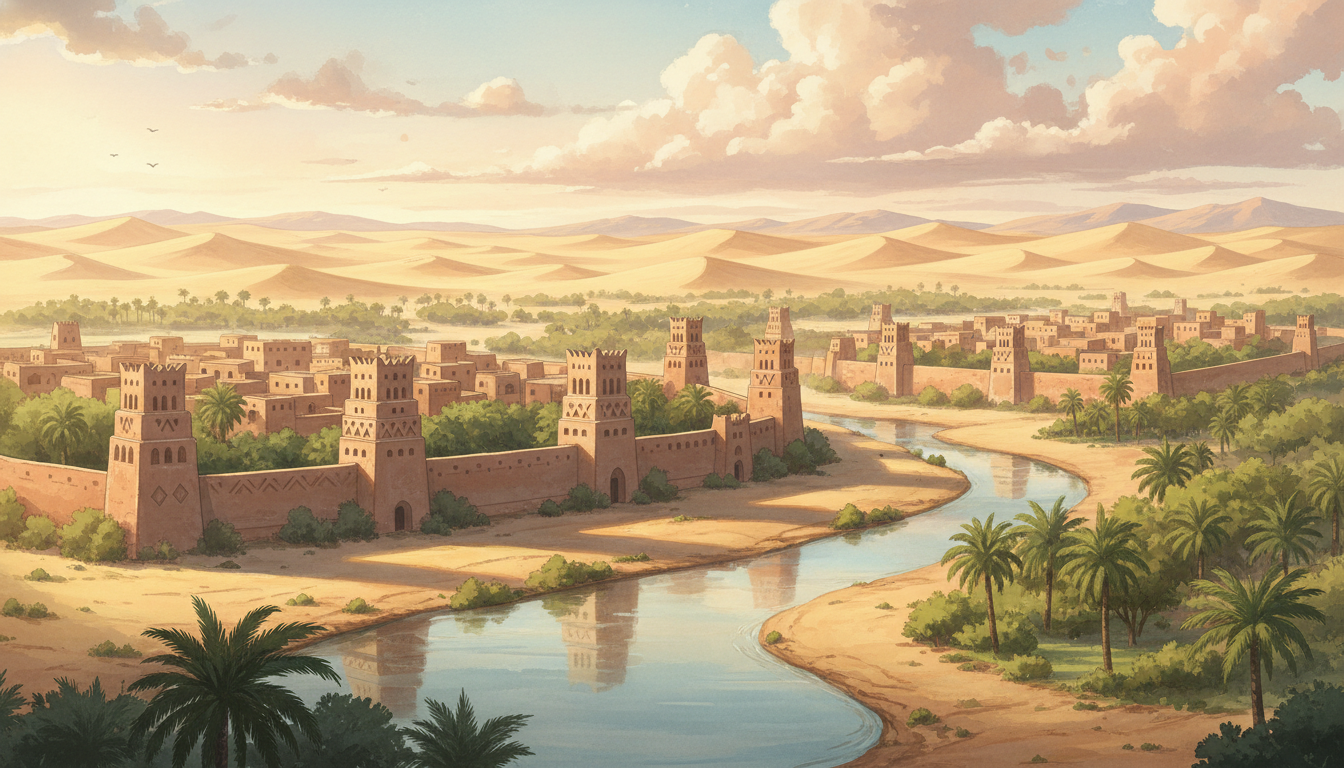
Diriyah, just northwest of Riyadh, is known as the birthplace of the Saudi state and the historic Diriyah area around Wadi Hanifah has been carefully restored as a major cultural destination.[3][5] At its heart is At‑Turaif, a UNESCO World Heritage Site featuring 18th‑century mud‑brick Najdi architecture and the former royal citadel of the First Saudi State.[2][4][5]
For budget-conscious travellers from Singapore and the region, Diriyah offers:
- Free or low-cost entry to public spaces, viewpoints and Wadi Hanifah walks
- Reasonably priced cafes around Bujairi Terrace if you avoid premium fine-dining times
- Compact layout that can be explored mostly on foot, reducing transport costs[2]
Compared to long multi-city itineraries, a focused 3–5 day stay in Riyadh with several sessions in Diriyah and At‑Turaif keeps costs predictable while still delivering rich cultural depth.
Best Time to Visit & Climate Tips for Singapore Travellers
Diriyah has a desert climate with very hot summers and pleasantly cool winters. For comfort and photography, most official and visitor sources recommend evenings as the best time to explore At‑Turaif, when temperatures drop and the lighting on the mud‑brick buildings is especially beautiful.[2]
For a budget trip:
- Ideal months: November to March, when daytime temperatures are milder (often under 30°C) and you spend less on taxis and cold drinks.
- Best hours: Late afternoon to night for At‑Turaif and Bujairi Terrace; mornings for Wadi Hanifah walks.[2]
- Pack like a Singaporean in a cold mall: light breathable layers, plus a thin jacket or shawl for cool desert evenings.
Getting to Diriyah from Singapore (and Within Riyadh)
From Singapore, you will typically fly into Riyadh’s King Khalid International Airport (RUH). From there, Diriyah is roughly 25–35 minutes away by car depending on traffic.
Typical Route from Singapore
- Flights: Most travellers take a direct or one‑stop flight from Singapore to Riyadh via hubs like Doha, Dubai or Abu Dhabi. Prices fluctuate, so always check in advance and set fare alerts.
- Airport to city: Use metered taxis or reputable ride-hailing apps from the airport to your Riyadh hotel. For families, confirm child-seat options in advance.
- From Riyadh to Diriyah: Diriyah lies just northwest of central Riyadh; most visitors use taxis or ride-hailing, with journey times similar to a cross-island trip from Tampines to Jurong in Singapore.[1][3]
Currency & Exchange Tips
Saudi Arabia uses the Saudi Riyal (SAR). Singapore travellers are often most comfortable converting from SGD, while investors may also benchmark against USD.
- Exchange a small amount of SAR in Singapore before departure for airport and first‑day expenses.
- Use multi-currency cards or ATMs in Riyadh for better rates after arrival.
- When later comparing property budgets, Homejourney supports currency views (including Middle East currencies) to help you see Singapore property prices in familiar terms.Bank Rates
Top Attractions in Historic Diriyah & At‑Turaif
1. At‑Turaif World Heritage Site (UNESCO Riyadh)
At‑Turaif is the core reason most visitors come to Diriyah. This fortified mud‑brick district, inscribed as a UNESCO World Heritage Site in 2010, was the political and spiritual centre of the First Saudi State.[4][5][8]
- Architecture: Classic Najdi style mud‑brick houses, palaces and mosques, with palm-trunk beams and decorative details.[2][4]
- Key landmark: Salwa Palace, a sprawling 10,000 m² complex that served as the royal and governmental headquarters.[2][5]
- Visitor experience: Expect 2–3 hours of walking through curated routes, small museums and galleries, with clear signposting and guides providing historical context.[2]
Insider budget tip: Aim for a late-afternoon entry so you get both golden-hour photos and night-time lighting in a single visit, effectively enjoying “two experiences” for one ticket block.[2][4]
2. Bujairi Terrace
Just across from At‑Turaif, Bujairi Terrace is a modern dining precinct overlooking the historic district and Wadi Hanifah.[2][4] You will find a mix of Saudi, Middle Eastern and international brands here.
- Best for: Evening strolls, terrace views of the illuminated At‑Turaif walls, and a treat meal at the end of your heritage walk.
- Budget approach: Have your main meal in central Riyadh where prices tend to be lower, then come to Bujairi for dessert and views.
3. Wadi Hanifah & Diriyah Oasis
The historic Diriyah settlement overlooks Wadi Hanifah, a valley and oasis that has supported life here for centuries.[4] Today, landscaped paths and lookout points make this a pleasant, low-cost open-air area.
- Activities: Gentle walks, photography, and people‑watching, similar to how Singaporeans enjoy evening walks along Singapore River or Bishan‑Ang Mo Kio Park.
- Cost: Free, apart from transport and refreshments.
Cultural Experiences & Local Food on a Budget
For deeper cultural immersion in historic Diriyah without overspending, combine heritage with simple, local food choices.
- Najdi architecture tours: Join a small-group tour that highlights building techniques and restoration; these often include At‑Turaif and surrounding quarters.[1][2]
- Local Saudi dishes: Try kabsa, mandi, and Arabic coffee in mid-range restaurants in Riyadh, then experience one “splurge” meal at Bujairi with a view.
- Budget snack strategy: Carry water and small snacks from supermarkets in Riyadh; similar to stocking up at NTUC FairPrice before heading to Sentosa.
For a more detailed food deep dive, you can later refer to Homejourney’s Diriyah food article.Homejourney: Guide to Best Food and Restaurants in Diriyah UNESCO Site and At-Tu...
Practical Travel Tips: Visas, Transport & Safety
Visa Requirements
Saudi Arabia operates an e‑visa system for many nationalities, including Singapore citizens, for tourism purposes.[7] Always double‑check the latest rules on the official Saudi government or tourism site before booking as visa policies can change.
- Apply online several weeks in advance.
- Ensure your passport has at least six months’ validity (similar to Singapore’s standard travel advice).
- Print or save a copy of your visa and travel insurance details on your phone.
Transport Options Within Riyadh & Diriyah
Riyadh is currently more car‑oriented than Singapore, so plan a transport budget accordingly.
- Ride-hailing: Primary mode for most tourists; safer to use recognised apps rather than informal taxis.
- Walking inside sites:
References
- Singapore Property Market Analysis 3 (2025)
- Singapore Property Market Analysis 5 (2025)
- Singapore Property Market Analysis 2 (2025)
- Singapore Property Market Analysis 4 (2025)
- Singapore Property Market Analysis 1 (2025)
- Singapore Property Market Analysis 8 (2025)
- Singapore Property Market Analysis 7 (2025)