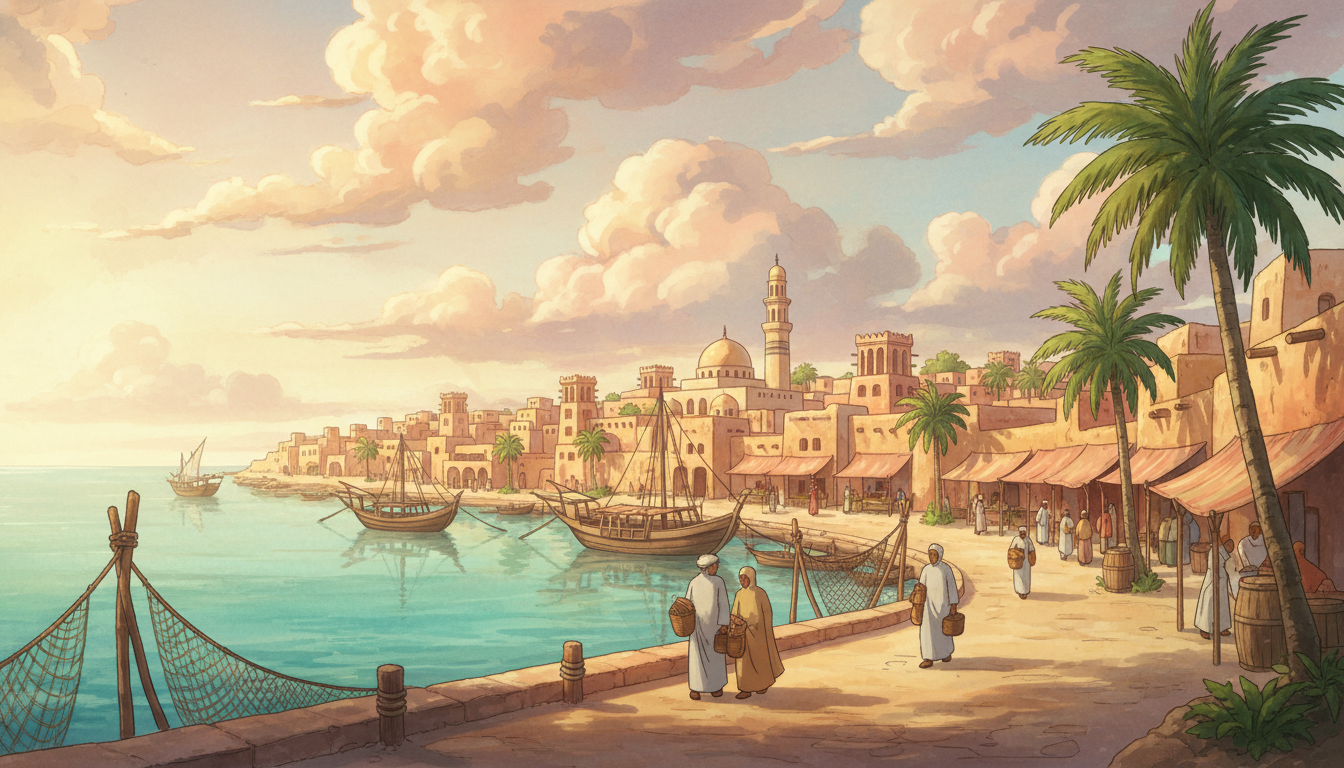
Budget Travel Guide to Al Wakra Old Town and Souq: Experience Authentic Qatar
Al Wakra Old Town and Souq represents one of Qatar's most authentic cultural experiences, combining centuries of fishing heritage with beautifully preserved traditional architecture. Located just 15 km south of Doha, this historic destination offers budget-conscious travelers an opportunity to experience genuine Qatari culture without the premium price tag of central Doha attractions.[1] At Homejourney, we understand the importance of finding trustworthy travel information that helps you make confident decisions about your destination—whether you're exploring for leisure or considering property investment opportunities across Asia.
The Al Wakra Souq stretches approximately 3 km along the coast and was reconstructed in 2016 on the ruins of a settlement estimated to be more than 200 years old.[1] This heritage market features 415 traditional houses arranged in maze-like alleyways, creating an immersive experience that transports visitors directly into Qatar's maritime past. Unlike the more commercialized Souq Waqif in central Doha, Al Wakra offers a more relaxed, authentic atmosphere where you can experience local life at a fraction of typical tourist prices.
Why Al Wakra Old Town Deserves Your Visit
Al Wakra holds particular significance as Qatar's second-largest and oldest municipality, with a distinct history separate from Doha's rapid modernization.[1] The city's identity is deeply rooted in pearl diving and fishing heritage—traditions that shaped the entire Gulf region's economy for centuries. When you walk through Al Wakra's alleyways, you're literally stepping through layers of this maritime history.
The souq's primary appeal lies in its authenticity. Rather than catering exclusively to tourists, Al Wakra remains a functioning community space where locals shop, dine, and gather. This means prices remain reasonable, restaurants serve genuine Qatari cuisine rather than tourist-adapted versions, and you'll encounter real cultural exchange rather than staged performances.
The beachfront location adds another dimension to the experience. Al Wakra Beach stretches 1,237 meters and features old wrecked dhows—traditional wooden boats—that serve as both historical monuments and stunning photography subjects.[1] The promenade (corniche) along the beach provides a perfect evening stroll venue, especially during cooler months when temperatures drop below 25°C.
Getting There and Practical Logistics
Transportation from Doha
From Doha's city center, Al Wakra is approximately 25-30 km away. The most budget-friendly option is using Qatar's public transportation system. Karwa buses operate regular service to Al Wakra, with fares typically ranging from 2-5 QAR (approximately SGD 0.80-2.00). Journey time is 45-60 minutes depending on traffic and stops.
For travelers seeking more flexibility, ride-sharing apps like Uber operate throughout Qatar with competitive rates. A typical journey from central Doha costs 25-40 QAR (SGD 10-16). Rental cars are available but unnecessary for this destination unless you're exploring multiple locations simultaneously.
Best Time to Visit
Qatar's climate significantly impacts your experience. November through March offers ideal conditions with temperatures between 15-25°C, minimal rainfall, and comfortable humidity levels. April through October becomes increasingly hot, with summer temperatures exceeding 40°C, making outdoor exploration exhausting and potentially unsafe.
For budget travelers, visiting during shoulder seasons (late October or early April) provides the sweet spot—pleasant weather without peak tourist crowds and potentially lower accommodation rates if you're staying overnight.
Navigating Al Wakra Souq: Layout and Key Zones
The souq is divided into 10 distinct zones, each serving different purposes.[1] Understanding this layout helps you navigate efficiently and discover specific experiences. The market zones include traditional shops, restaurants, stables (reflecting the historical importance of horses and camels), and even a children's playground.
The architectural design intentionally recreates old Qatari village layouts, with narrow alleyways connecting individual 'homes' that have been converted into shops and restaurants. This maze-like structure can feel disorienting initially, but that's precisely the charm—getting slightly lost encourages exploration and discovery of hidden gems.
Key zones to prioritize include the seafront promenade area (best for evening walks and photography), the central marketplace (highest concentration of shops and restaurants), and the beach access points where you can see the historic dhows and enjoy panoramic views.
Budget-Friendly Dining and Local Cuisine
Where to Eat Without Breaking Your Budget
Al Wakra Souq offers exceptional value for dining compared to Doha's hotel restaurants. Traditional Qatari restaurants serve generous portions of authentic cuisine at 25-50 QAR per meal (SGD 10-20). Look for establishments like Al Baranda and Al Noukhaza Restaurant, which offer traditional Qatari and Yemeni dishes featuring fresh seafood—a specialty given Al Wakra's fishing heritage.
For budget-conscious travelers, street food and casual cafés provide meals for 10-20 QAR (SGD 4-8). These venues serve shawarma, falafel, and fresh juices. E'asair Cafe offers traditional Arabic coffee and refreshments in a heritage setting at minimal cost. Many establishments feature modern twists on traditional recipes while maintaining authentic flavors and reasonable pricing.
Must-Try Local Specialties
Al Wakra's fishing heritage means seafood dominates menus. Fresh grilled hammour (grouper), shrimp, and local fish preparations showcase Qatar's maritime traditions. Machboos—a fragrant rice dish with meat or seafood—represents quintessential Qatari comfort food. Luqaimat (fried dough balls drizzled with date syrup) provides an affordable sweet treat available from multiple vendors.
For an authentic experience, visit during evening hours when locals gather for dinner and traditional coffee ceremonies. This timing offers cultural immersion at no additional cost and provides the most authentic dining atmosphere.
Shopping, Markets, and Cultural Experiences
What to Buy and Where
Al Wakra Souq specializes in traditional crafts and locally-made items rather than mass-produced souvenirs. You'll find handwoven textiles, traditional pottery, and locally-crafted wooden items. Prices are significantly lower than tourist-focused markets, particularly if you visit during non-peak hours when vendors are more willing to negotiate.
Unlike Souq Waqif's perfume and spice stalls, Al Wakra focuses on heritage items reflecting the fishing and pearl-diving traditions. Dhow model replicas, traditional clothing, and handicrafts make authentic souvenirs that support local artisans directly.
Cultural Experiences and Heritage Activities
The souq itself functions as an open-air museum. Walking through alleyways lined with 415 traditional houses provides immersive cultural education. The preserved architecture—featuring classic thatched roofs and traditional design elements reflecting basket-weaving patterns—tells stories of Qatar's past without requiring paid museum admission.[1]
Beach access is completely free. Spend time observing the historic dhows, watching the sunset over the Arabian Gulf, and experiencing the atmosphere that inspired centuries of maritime culture. The promenade allows leisurely walks and photography without any cost.
Beach Access and Safety Considerations
Swimming and Beach Etiquette
Al Wakra Beach is family-friendly with lifeguards on duty and changing facilities for both men and women.[1] However, Qatar maintains conservative cultural standards. Swimsuits are required for water access, and beachwear should be respectful. Women should consider wearing modest cover-ups when not actively swimming. These aren't restrictions but rather cultural considerations that ensure respectful interaction with local communities.
Beach access is completely free. Basic amenities including shaded areas, restrooms, and water fountains are available throughout the promenade. The sandy beach is well-maintained and suitable for families, though water temperatures vary seasonally—warm and pleasant November through May, quite cool June through October.
General Safety and Practical Tips
Al Wakra is exceptionally safe with low crime rates typical of Qatar. The area is well-lit in evenings and regularly patrolled. Standard travel precautions apply—avoid displaying expensive items, keep valuables secure, and be aware of your surroundings. The souq remains busy and populated, particularly during evenings when families gather, which enhances safety through natural surveillance.