Best Food and Restaurants at Scottish Whisky Distilleries: A Culinary Journey Through Scotland's Whisky Regions
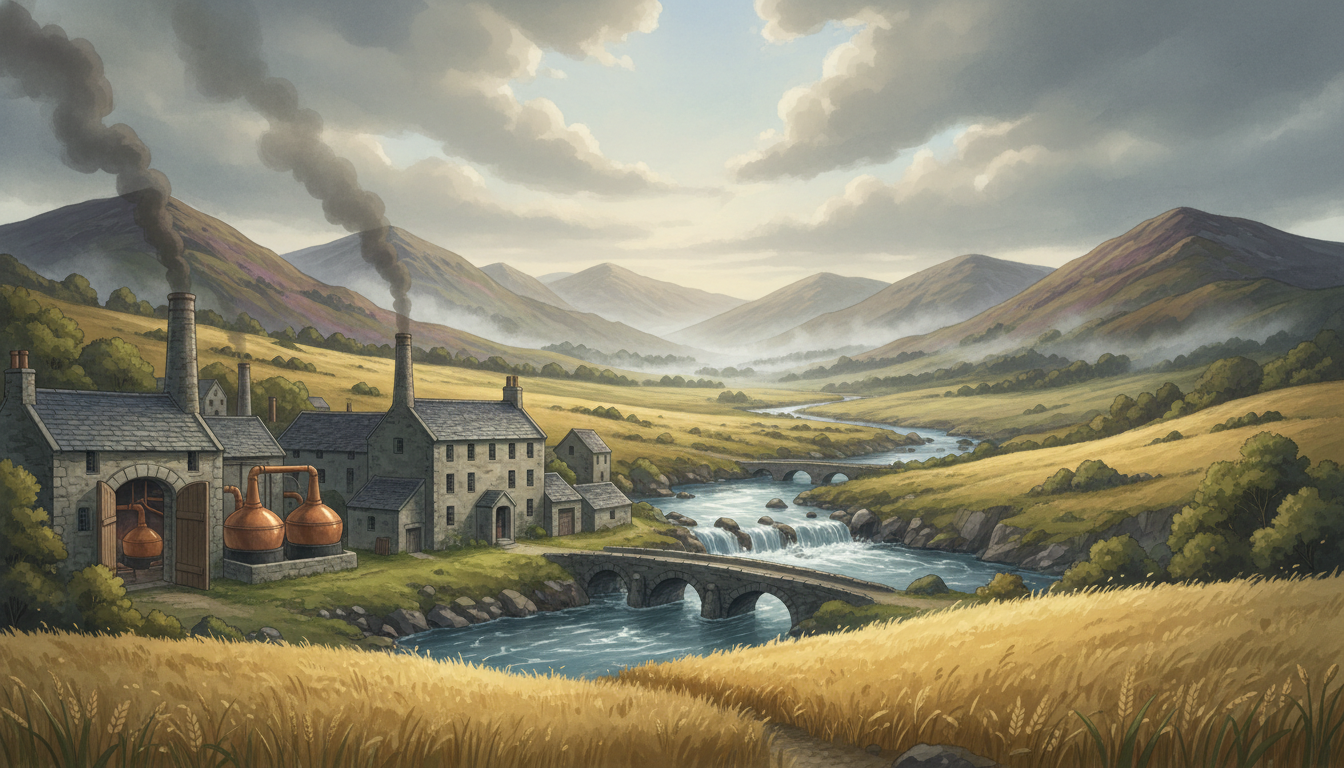
Scotland's whisky distilleries offer far more than exceptional drams—they've become culinary destinations where regional ingredients, traditional cooking methods, and world-class dining converge. When planning a Scottish whisky distillery tour, the food experience is equally important as the whisky itself, with many distilleries now featuring acclaimed restaurants and tasting menus that celebrate local terroir.
This cluster article explores the best dining experiences across Scotland's major whisky regions, from the Speyside distilleries to the remote islands of Islay, helping you plan a food-focused whisky tour that engages all your senses.
Why Food Matters on Your Whisky Distillery Tour
Scottish cuisine has undergone a remarkable renaissance, and distillery restaurants now showcase the same regional pride that defines their whisky production. The connection between food and whisky is deeply rooted in Scottish culture—both rely on the land, water quality, and local ingredients that define each region's character.[1] When you taste a Speyside single malt paired with locally-sourced venison or fresh seafood, you're experiencing Scotland's terroir in its most authentic form.
Distillery visits typically include three components: the production tour, whisky tasting, and increasingly, a dining experience. Many modern distilleries have invested in restaurant facilities that rival standalone fine dining establishments, with menus specifically designed to complement their whisky expressions.[2]
Top Distillery Restaurants in Speyside
The Speyside region, home to Scotland's Malt Whisky Trail, contains eight major distilleries and numerous smaller producers.[1] This concentration of distilleries has created a thriving food scene centered around whisky experiences.
The Scotch Whisky Experience – Amber Restaurant (Edinburgh)
While technically in Edinburgh rather than Speyside, The Scotch Whisky Experience deserves top billing for its integrated food-whisky experience. Their flagship offering, the "Taste of Scotland" tour, combines a Gold whisky tour featuring four contrasting regional single malts with a three-course tasting menu in Amber Restaurant.[2] The seven-dish menu is specifically designed to complement whisky expressions, with dessert paired with a final dram. Priced at £95 per adult, this represents excellent value for a structured introduction to Scottish whisky and cuisine combined.
The experience is particularly valuable for first-time visitors seeking to understand how food and whisky interact. Staff demonstrate exceptional whisky knowledge and willingness to discuss preferences, ensuring personalized recommendations.[4]
Raasay Distillery – Restaurant & Bar
Located on the Isle of Raasay (a short ferry ride from Skye), this newer distillery has quickly earned a reputation for combining outstanding whisky with exceptional food. Visitors consistently praise the restaurant's quality, with reviewers noting "some of the best food I have had in Scotland."[7] The distillery offers afternoon tours with chocolate pairings alongside whisky tastings, creating unique flavor combinations that showcase the versatility of their spirits.
The location itself—a peaceful island setting with stunning architecture—enhances the dining experience, making it ideal for travelers seeking a complete sensory immersion rather than a quick distillery stop.
Speyside Distillery Dining Options
Major Speyside distilleries including Glenfiddich, Macallan, Glenlivet, and Glen Grant offer varying levels of food service.[1][3] While not all feature full-service restaurants, many provide tasting room experiences with light refreshments. When booking Speyside tours (typically £1,070+ for private three-distillery tours lasting 12-14 hours), inquire specifically about dining arrangements, as some tours include lunch at local restaurants rather than on-site distillery facilities.[3]
Island Distillery Dining: Islay and Beyond
Scotland's whisky islands—particularly Islay—offer distinctive dining experiences shaped by maritime culture and island ingredients. A four-day Islay whisky tour takes you from Edinburgh to the wild west coast and across to the Isle of Mull, where "distilleries meet fine dining and every ingredient reflects the land and sea that inspire it."[5]
Island distilleries typically emphasize seafood, locally-raised game, and foraged ingredients. The remoteness of these locations means fewer dining options, but those available tend to be exceptional, often run by passionate proprietors who understand the connection between local food and local whisky.
Traditional Scottish Pubs: Where Whisky Culture Lives
Beyond distillery restaurants, Scotland's historic pubs provide authentic settings for experiencing whisky in its cultural context. The "wee dram" culture—ordering small pours of local single malts, typically accompanied by local water—is best experienced in traditional establishments.[1]
Must-Visit Historic Pubs
- The Clachan Inn, Drymen: One of Scotland's oldest licensed pubs, offering traditional atmosphere and quality dram selection[1]
- The Clachaig Inn, Glencoe: A remote mountain pub with legendary views and impressive whisky selection, perfect for pairing with local game dinners[1]
- Black Isle Bar, Inverness: A local brewery pub combining craft beers with quality drams and friendly atmosphere[1]
- The Tolbooth Tavern, Edinburgh: Famous for haggis and whisky flights in a historic setting, offering structured tastings alongside traditional Scottish fare[1]
When visiting pubs, ask staff and regulars for their favorite drams—these conversations often lead to discovering expressions not on standard menus. Many pubs feature live traditional music in evenings, creating an immersive cultural experience.[1]
Building Your Food-Focused Whisky Itinerary
A well-planned whisky tour balances distillery visits with dining experiences and scenic travel. Here's a suggested structure for a five-day Highland-based itinerary:[1]
| Day | Region | Whisky Experience | Dining Focus |
|---|---|---|---|
| 1 | Inverness & Black Isle | Local dram selection | Black Isle Bar for local beer/whisky |
| 2-3 | Speyside | Malt Whisky Trail distilleries | On-site distillery restaurants |
| 4 | Coastal Highlands | Coastal distillery stop | Seafood in fishing village |
| 5 | Glencoe/Fort William | Clachaig Inn dram selection | Local game dinner |
Essential Planning Tips
- Book distillery tours in advance: Popular distilleries fill quickly, especially during peak season (May-September). Many require reservations 2-4 weeks ahead.[1]
- Allow travel time: Distances between distilleries are greater than they appear on maps. Budget 2-3 hours between major stops.[1]
- Check opening times: Distillery restaurants often have different hours than production facilities. Verify dining availability when booking tours.[1]
- Consider hiring a guide: Expert whisky tour guides like those at Scottish Whisky Tours provide curated experiences, personal tasting rooms at distilleries, and access to expressions not on standard menus. They also handle all driving, allowing you to focus on tasting.[6]
- Pair with scenic drives: Combine distillery visits with stops at natural attractions—dense forests, sparkling rivers, waterfalls, and quaint villages enhance the overall experience.[3]
Scottish Ingredients: What to Expect on Distillery Menus
Understanding Scotland's culinary traditions enhances your appreciation of distillery dining. Watch for these regional specialties on menus:[1]
- Seafood: Fresh fish, shellfish, and smoked salmon reflect Scotland's extensive coastline
- Game: Venison, grouse, and pheasant showcase Highland hunting traditions
- Root vegetables: Turnips, potatoes, and carrots form the foundation of traditional Scottish cooking
- Dairy: Scottish cheeses and cream-based dishes reflect pastoral heritage
- Barley: The same grain used in whisky production appears in breads, porridges, and traditional dishes
Ask staff about house specialties, as these often reflect regional identity and seasonal availability. Many distillery chefs source ingredients from nearby farms and suppliers, creating authentic terroir-driven menus.[1]
Pricing and Value Considerations
Distillery dining experiences vary significantly in price and format:
- Budget option: Pub meals (£8-15) with whisky drams (£3-8 per dram) offer authentic experiences at lower cost
- Mid-range: Distillery restaurant meals (£25-45) typically include tour and tasting
- Premium: Integrated experiences like The Scotch Whisky Experience's Taste of Scotland (£95) combine multiple tastings with multi-course dining
- Private tours: Full-day private distillery tours with expert guides range from £500-1,500+ depending on group size and distillery selection[3][6]
For travelers from Singapore considering extended stays in Scotland, longer itineraries (4-7 days) offer better value than day trips, allowing deeper engagement with regional food cultures and distillery communities.
Practical Dining Tips for Whisky Tours
Maximizing Your Experience
- Eat before tasting: Food in your stomach helps moderate alcohol absorption and allows better tasting focus
- Stay hydrated: Drink water between tastings and with meals
- Ask about pairings: Distillery staff can recommend which food dishes complement specific whisky expressions
- Engage with staff: Distillery employees and pub regulars possess deep knowledge; conversations often reveal hidden gems and local recommendations
- Attend evening sessions: Many pubs feature live traditional music after dark, creating immersive cultural experiences[1]
Frequently Asked Questions
What's the best time to visit Scottish whisky distilleries?
May through September offers the best weather and longest daylight hours, though this is peak tourist season with higher prices and fuller distilleries. April and October provide pleasant weather with fewer crowds. Winter (November-February) offers atmospheric experiences but shorter daylight and occasional closures.[1][3]
Do I need to book distillery tours in advance?
Yes, absolutely. Popular distilleries, especially on the Speyside Malt Whisky Trail, require reservations 2-4 weeks in advance during peak season. Some offer walk-in tours with availability, but booking guarantees your preferred time and dining arrangements.[1][3]
Are distillery restaurants suitable for non-whisky drinkers?
Completely. Distillery restaurants serve excellent food regardless of whisky interest. Staff accommodate wine preferences and non-alcoholic options. Reviewers consistently note that non-whisky drinkers in their groups enjoyed distillery dining experiences.[4]
What's the difference between a whisky tour and a distillery visit?
References
- Singapore Property Market Analysis 1 (2026)
- Singapore Property Market Analysis 2 (2026)
- Singapore Property Market Analysis 4 (2026)
- Singapore Property Market Analysis 7 (2026)
- Singapore Property Market Analysis 3 (2026)
- Singapore Property Market Analysis 5 (2026)
- Singapore Property Market Analysis 6 (2026)