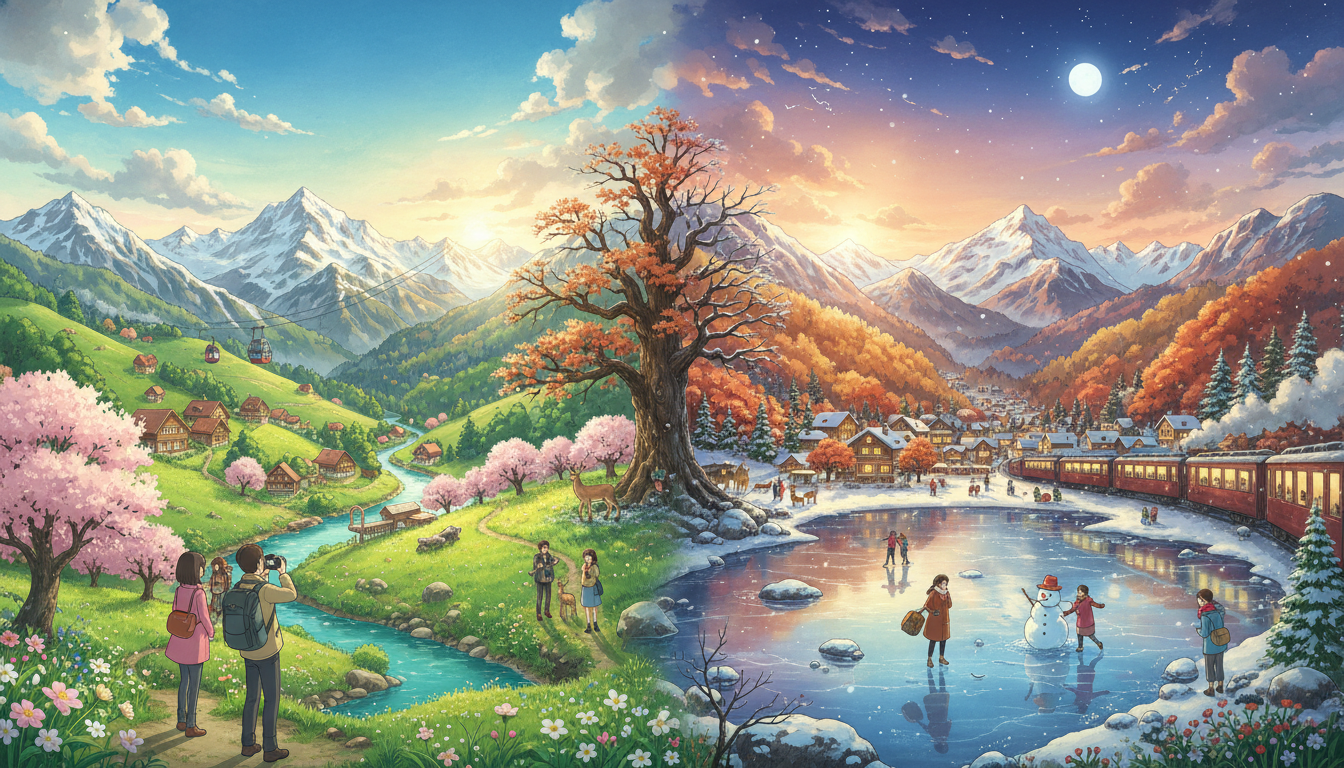
The best time to enjoy Switzerland’s food and restaurantssummerwinterspringautumn
For Singapore travellers using Homejourney, understanding how Best Food and Restaurants in Best Time to Visit Switzerland: Seasons
How Switzerland’s Seasons Shape Food, Restaurants & the Best Time to Visit
Switzerland has four distinct seasons
Spring (March–May) brings alpine blooms and lighter menus; summer (June–August) offers the best conditions for hiking, lakefront terraces and open mountain huts; autumn (September–November) is quieter with harvest and wine festivals; winter (December–February) is ideal for ski trips, hearty fare and Christmas markets.[1][2][3][4][5][6]
For many Singapore travellers, the best time Switzerland[1][2][3][5][6] From Changi, most itineraries route via hubs like Doha, Dubai or Frankfurt, with total flight time of about 13–15 hours to Zurich in economy, depending on connection.
Switzerland uses the Swiss franc (CHF). In practice, I budget roughly CHF 25–35 per person for a casual lunch and CHF 40–60 for a mid-range dinner in Zurich or Geneva, which is usually higher than typical weekday lunches in Singapore’s CBD, even at nicer restaurants. Changing a small amount of cash on arrival and using multi-currency cards often works best; many places accept contactless payments.
Spring (March–May): Wildflowers, Lighter Menus & Fewer Crowds
If you are debating when visit Switzerland[1][3][5] Lower valleys turn green, alpine flowers bloom and you can sometimes ski in the morning at higher resorts, then dine in a sunny town square by afternoon.[3][4]
Best Spring Foods & Restaurant Experiences
- Asparagus and morels: Seasonal menus in cities like Zurich and Bern often highlight white asparagus, morels and other spring vegetables.
- Cheese dishes without the winter queues: You can still enjoy fondue or raclette at traditional restaurants in Lausanne or Lucerne but with fewer tourists than at year-end.
- Lakeside cafés in Lucerne & Lugano: When the sun is out, outdoor terraces along Lake Lucerne or Lake Lugano are pleasant without the summer heat and crowds.
Insider tip from a Singapore context: if you are used to air-conditioned malls, spring’s 10–18°C feels like a cool Genting Highlands day. A light Uniqlo down jacket and layers are usually enough; this lets you sit outside comfortably to enjoy lakeside meals without feeling cold.
Summer (June–August): Peak Outdoor Dining & Alpine Huts
Summer winter Switzerlandsummerbest time Switzerland[2][3][4][5][6]
What to Eat in Swiss Summer
- Alpine hut meals: Simple but hearty rosti, sausages and local cheeses at mountain huts around Zermatt, Grindelwald and Mürren, with views of the Matterhorn or Eiger.
- Lake fish: In Lucerne, Zurich and Lugano, look for perch fillets or whitefish from the lakes, grilled or pan-fried.
- Summer festivals & food stalls: Events like the Montreux Jazz Festival in July bring temporary food stands with raclette, bratwurst and international street food.[5]
Because daylight can last past 21:00 in July, you can hike until the early evening, then have dinner on a terrace as the sun sets.[2][3] However, this is also when hotels and popular restaurants are busiest and most expensive, similar to peak December travel from Singapore. It is best to book dinner reservations in tourist hot spots like Interlaken and Zermatt at least a few days ahead.
Autumn (September–November): Harvest Menus, Wine & Quieter Cities
Autumn[3][4][5][6] For many food lovers, this is the best time to visit Switzerland[3][5]
Autumn Food Highlights
- Game dishes: Venison and other game, often served with spaetzle and red cabbage, appear on many menus in October.
- Grape harvest & wine tastings: Regions such as Lavaux (near Lausanne) offer tastings and vineyard walks in cool but comfortable weather.[3][4]
- Chestnuts & pumpkins: Look for creamy pumpkin soups and roasted chestnuts at markets.
If you like Tanjong Pagar or Joo Chiat’s quieter weekday restaurant vibe but with cool autumn air, September and early October in Switzerland will feel familiar in tempo but very different in scenery. Also, hotel prices and airfares are often lower than in July–August.[3][5][6]
Winter (December–February): Ski Resorts, Cheese & Christmas Markets
If you are choosing when visit SwitzerlandDecember to February[1][2][5][6] Mountain resorts are busy and more expensive, but cities are quieter, and Christmas markets add atmosphere from late November to early January.[1][2][3][6]
Best Winter Foods & Dining Experiences
- Fondue & raclette: Ideal after skiing. In places like Zermatt, Verbier and St. Moritz, book well-known cheese restaurants for dinner at least a day in advance.
- Christmas markets: Zurich, Basel and Bern markets offer hot mulled wine, sausages, raclette, gingerbread and Swiss chocolates.[1][3][6]
- Thermal spa & fine dining: In spa towns like Leukerbad and Bad Ragaz, pair daytime soaking with a multi-course dinner.[3]
For Singaporeans used to 30°C humidity, -2 to 5°C can feel intense. I typically factor in warming-up breaks into my restaurant choices: cafés near tram or train stops, so we do not need long walks in the cold after dinner—especially helpful for families with young children or elderly parents.
Sample Seasonal Restaurants & Price Expectations
Exact restaurants change over time, but broadly you can expect:
- Casual city cafés (all seasons): CHF 20–30 for a main; good for rösti, pasta or daily specials.
- Mountain huts (summer & ski season): CHF 18–30 for a plate of rösti or sausage with sides; portions are typically generous.
- Mid-range view restaurants: CHF 40–60 per person for two courses excluding drinks.
Compared with Singapore, think of most Swiss restaurant bills as closer to a nice weekend dinner in Dempsey or Marina Bay rather than a weekday hawker lunch. To save money, many Singapore travellers use hotel or apartment breakfasts, then have one main restaurant meal daily.
Practical Travel & Safety Tips for Switzerland by Season
Switzerland is generally safe, with crime rates lower than many European countries. That said, basic precautions—watching valuables in crowded Christmas markets or major train stations—still apply. For Singaporeans, Switzerland often feels as comfortable and orderly as Singapore, just with different weather and terrain.
Transport & Getting Around
- Swiss Travel Pass: Good value if you plan multiple train, bus and boat rides in one trip—especially popular with travellers who enjoy scenic rail routes.
- Seasonal operations: Some mountain cable cars and restaurants close in the zwischenzeit (between seasons) around April–early May and late October–November, so always check opening dates when planning food-focused stops.[2]